Contents (19 sections)
In today's digital age, many individuals work from home, which makes it essential to create an environment conducive to productivity. One of the most crucial aspects of this environment is lighting. Poor lighting can lead to distractions, fatigue, and decreased productivity. On the other hand, optimal lighting can enhance focus, reduce eye strain, and create a more enjoyable work atmosphere. This guide provides practical strategies to implement effective lighting in your home workspace.
1. Understanding the Importance of Lighting
What is Optimal Lighting?
Optimal lighting refers to the correct balance of natural and artificial light that meets the needs of your workspace. It’s crucial for maintaining visual comfort and efficiency. According to the American Society of Interior Designers, proper lighting can improve work performance by up to 20%. In a home office setting, the best approach to lighting combines natural light with controllable artificial light to cater to various tasks throughout the day.
Why Does Lighting Matter?
Lighting not only affects your mood but also influences your overall health. Insufficient lighting can lead to headaches, eye strain, and fatigue, ultimately impacting your productivity. For instance, studies have shown that employees with access to ample natural light report a 15% increase in their well-being. Therefore, creating a light-friendly workspace is not just beneficial—it's essential.
2. Step-by-Step Guide to Achieving Optimal Lighting
Step 1: Maximise Natural Light
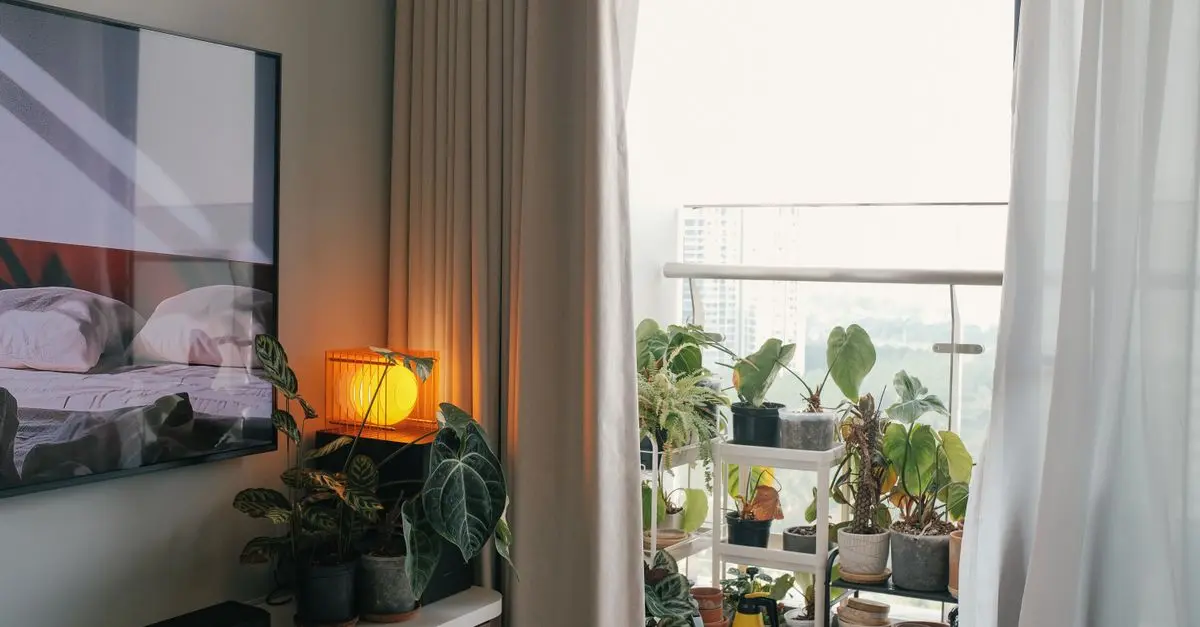
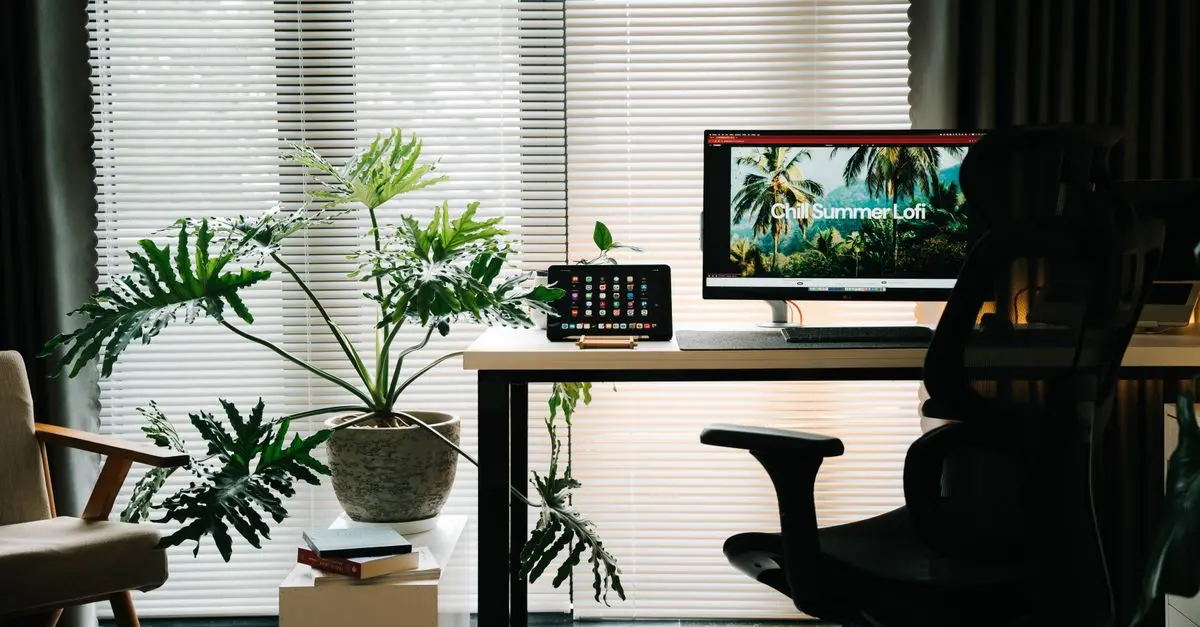
Whenever possible, position your workspace near windows. Natural light has proven benefits for productivity and can significantly reduce stress. Use sheer curtains to diffuse sunlight, preventing glare on screens. You can also use mirrors to reflect light and brighten darker corners of the room.
Step 2: Choose the Right Type of Artificial Lighting
When natural light is insufficient, opt for LED lights which are energy-efficient and provide a bright, white light that mimics daylight. Consider adjustable lamps with features such as dimming capabilities, allowing you to adjust brightness based on your current tasks. For desk work, a good rule of thumb is to aim for between 300 to 500 lux of illumination.
Step 3: Layer Your Lighting
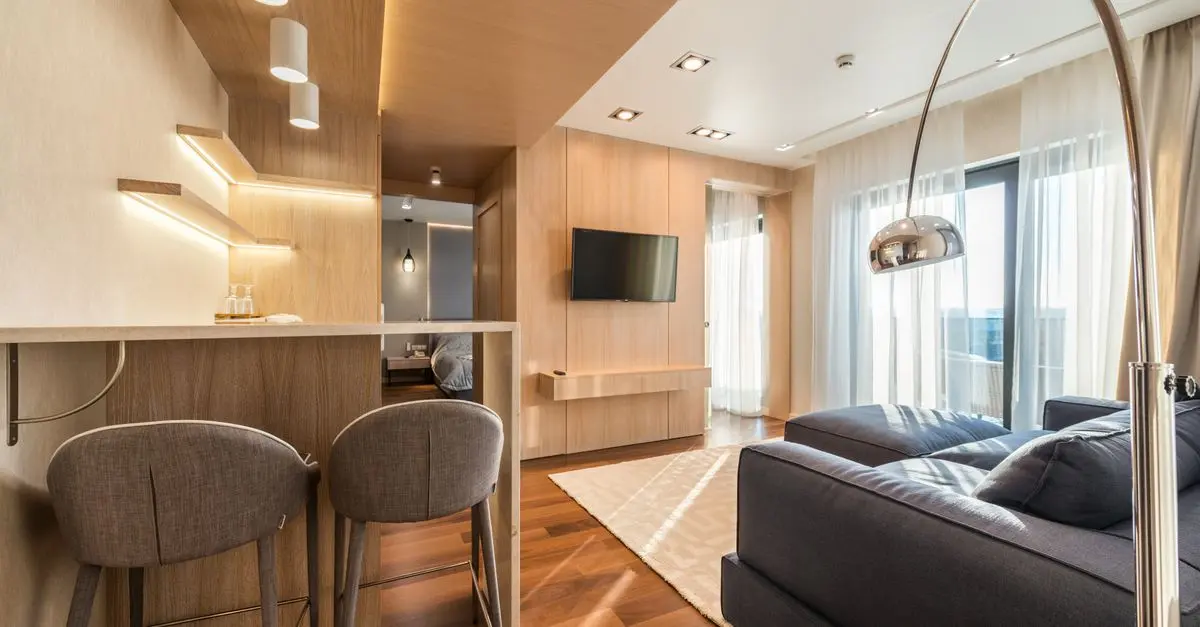
Effective lighting in a workspace should be layered. Combine ambient (overhead) lighting with task lighting (desk lamps) and accent lighting (decorative lights). Ambient light provides overall illumination, task lighting illuminates specific areas for detailed work, and accent lighting adds a touch of warmth and personality to the space.
Step 4: Maintain Flexibility
Invest in adjustable lighting solutions that offer flexibility. A table lamp with an adjustable arm allows you to direct light precisely where it’s needed, which is particularly useful during different times of the day or during specific tasks. Also, consider smart lighting that can change colour temperatures and intensities, making it easier to tailor light conditions to your mood and work requirements.
Step 5: Colour Temperature Matters
The colour temperature of your lighting impacts how you perceive your workspace. Warm white light (around 2700K to 3000K) creates a calm environment often suitable for relaxation, while cool white light (4000K to 5000K) helps increase focus and alertness. Ideally, a workspace should gradually transition from warm to cool temperatures as the day progresses, maximising productivity throughout.
📺 Resource Video
> 📺 For further insight: Explore the essentials of lighting design for workspaces, find a comprehensive analysis on YouTube: optimal lighting home workspace guide.
3. | Type of Lighting | Advantages | Disadvantages |
| Natural Light | Boosts mood, reduces eye strain | Can create glare, dependent on weather |
| LED Lights | Energy-efficient, long lifespan | May cause glare if improperly positioned |
| Smart Lighting | Customisable, energy-efficient | Setup can be complex, need a compatible system |
| Task Lighting | Direct illumination on work surface | Can clutter desk, may require extra wiring |
4. Common Mistakes to Avoid
Not Using Enough Light
One common error is relying solely on overhead lighting, which fails to illuminate the workspace adequately. Ensure that at least three sources of light are near your desk area to avoid shadows and dark spots.
Ignoring the Power of Dimming
Failing to install dimmers can limit your flexibility with lighting. Dimmers allow for adjustments based on time of day or desired ambiance, enhancing your workspace’s functionality.
Glossaire
| Terme | Définition |
|---|---|
| Lux | Unité de mesure de l'éclairement lumineux. |
| Dimmable | Se dit d'un éclairage dont l'intensité peut être réglée. |
| Colour Temperature | Indique si une lumière est plus chaude (jaune) ou plus froide (bleue). |
Checklist avant achat
- [ ] Maximiser l'utilisation de la lumière naturelle
- [ ] Sélectionner des ampoules LED adaptées
- [ ] Installer des solutions d'éclairage à plusieurs niveaux
- [ ] Choisir des luminaires flexibles et ajustables
- [ ] Vérifier les performances de couleur des ampoules
🧠 Quiz rapide : What is the recommended lux level for desk work?
- A) 100 lux
- B) 300 to 500 lux
- C) 800 lux
Réponse : B — Optimal desk work illumination should be between 300 to 500 lux for comfort and efficiency.
Conclusion
Creating a well-lit home workspace is an essential investment for anyone working from home. By understanding the principles of optimal lighting and applying these techniques, you can significantly improve your productivity, comfort, and overall work satisfaction. Quality lighting is not just a luxury, it’s a necessity for a successful work environment.
📺 Pour aller plus loin : optimal lighting home workspace guide sur YouTube