Contents (13 sections)
Smart lighting systems are transforming the way we manage illumination in our living spaces. Not only do they offer unparalleled convenience, but they significantly enhance security as well. In this article, we will explore the advantages of integrating smart lighting into your home, including practical applications and recommendations for products that can enhance your experience.
Understanding Smart Lighting Systems
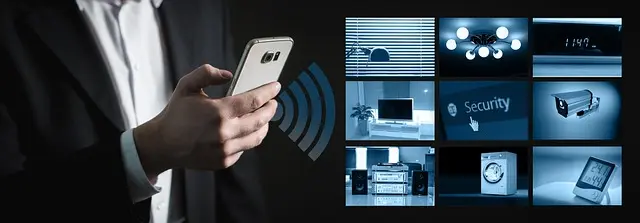
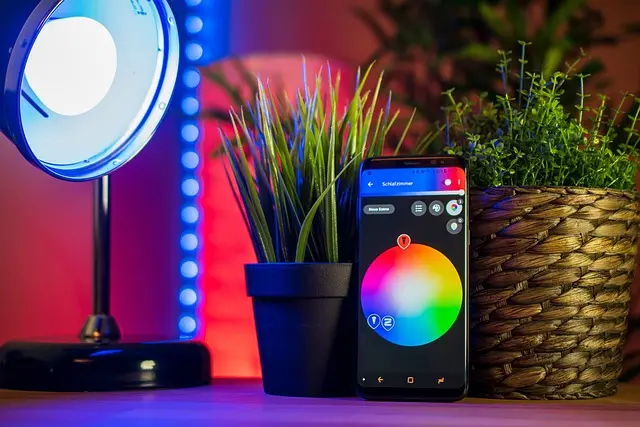
Smart lighting systems refer to a network of interconnected light fixtures that can be controlled remotely through smartphone apps, smart home devices, or voice commands. These systems allow users to adjust brightness, colour, and even create lighting schedules. A key feature is the ability to control them from anywhere — this convenient access can be via mobile integration or voice-controlled smart assistants.
Adopting smart lighting can lead to substantial energy savings. According to a study by UFC-Que Choisir, homes equipped with smart lighting can reduce overall energy consumption by up to 30%. This not only lowers electricity bills but also lessens the carbon footprint associated with energy production.
Moreover, smart lighting solutions often include energy-efficient LED technology, which lasts longer than traditional bulbs while using significantly less power. In fact, the average lifespan of LED bulbs is roughly 25,000 hours compared to about 1,000 for incandescent bulbs, making them an excellent long-term investment.
Enhancing Home Convenience
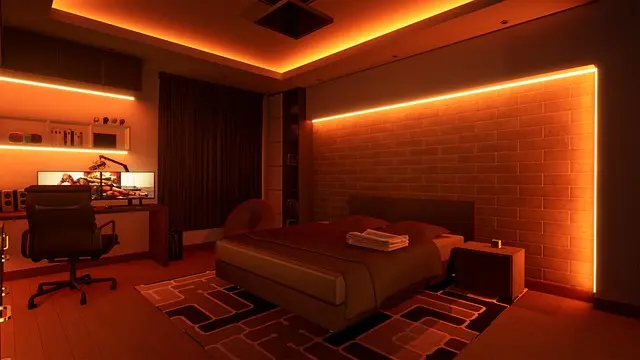
Imagine coming home after a long day at work and having your lights automatically turn on as you enter, illuminating your path without the need to fumble for a switch. Smart lighting systems offer this and more. With the ability to create custom “scenes,” you can set the right atmosphere for any occasion, from movie nights to romantic dinners.
Setting up a smart lighting system is straightforward and involves a series of steps. Firstly, ensure that your home Wi-Fi is reliable, as most smart lighting relies on a strong internet connection for optimal performance. Next, choose smart bulbs or fixtures compatible with existing light fittings. Once purchased, installation generally follows a simple plug-and-play method.
After setting up the physical components, download the respective app associated with the lighting product, create an account, and follow the in-app instructions to connect your smart lights to your home network. With intuitive interfaces, most apps allow you to customise preferences easily, including automated schedules tailored to your lifestyle.

TP-Link InSight S285 Dome IP security camera Outdoor 3840 x 2160 pixels Ceiling
Back to the Office

TP-Link InSight S385PI Bullet IP security camera Outdoor 3840 x 2160 pixels Wall
Back to the Office

Security Features Offered by Smart Lighting
One of the standout benefits of smart lighting systems is their role in enhancing home security. Automated lighting can deter intruders by simulating occupancy in your home. By scheduling lights to turn on and off at specific times, or using motion sensors to trigger lighting, you create the impression that someone is home even when you're not.
Moreover, many smart lighting systems integrate with home security cameras, enabling them to respond to detected movement. For example, a light can turn on automatically when motion is detected by a connected camera, illuminating the area and dissuading potential threats.
Statistics indicate that homes with visible security measures, including smart lighting, are 300% less likely to be targeted by burglars, according to research by 60 Millions de Consommateurs. This proactive approach to security adds peace of mind for homeowners, knowing their properties are less vulnerable.
Comparison of Smart Lighting Options
When considering smart lighting systems, there are various options available on the market. We have compiled a comparison of three popular smart lighting solutions, highlighting their primary features:
| Feature | Smart Bulbs | Smart Light Strips | Full Smart Lighting Systems |
|---|---|---|---|
| Control Method | App/Voice Control | App/Voice Control | App/Voice Control and Sensors |
| Customisation | High (colour, intensity) | Very High (multi-zone) | Extensive (full-home setup) |
| Installation | Easy (screw in) | Easy (adhesive) | Moderate (requires planning) |
| Price Range | Low to Medium | Low to Medium | Medium to High |
As of 2026, the market for smart lighting systems continues to expand, driven by the proliferation of smart home technology. A report from INSEE indicates that the smart home market is predicted to grow by 25% by 2028, with smart lighting systems capturing a significant portion of this segment. This growth coincides with increasing consumer awareness of energy conservation and home safety.
Furthermore, a survey conducted by an industry analyst shows that about 70% of homeowners expressed willingness to invest in smart home products that enhance security and energy efficiency. The adoption of smart lighting is not merely a trend; it is becoming a staple in modern home design, reflecting a shift towards smarter living environments.
Frequently Asked Questions
What are smart lighting systems?
Smart lighting systems are interconnected light fixtures controlled remotely, enabling convenient features like scheduled lighting and adjustable colours.
How do smart lighting systems enhance security?
They help deter burglaries by simulating occupancy through scheduling and can respond to motion detection when integrated with security cameras.
Are smart lights energy-efficient?
Yes, smart lights typically use LED technology, which consumes less power and lasts longer than traditional bulbs, thus reducing electricity costs.
How do I set up a smart lighting system?
Setting up involves ensuring strong Wi-Fi, installing smart bulbs or fixtures, and using the associated app for customization and control.
Glossary
| Terme | Définition |
|---|---|
| Smart Lighting | Lighting systems that can be controlled remotely, often through a mobile app. |
| LED Technology | Light-emitting diode technology that offers energy-efficient lighting solutions. |
| Home Automation | The control of home appliances through smart devices for enhanced convenience. |
Checklist Before Purchase
- [ ] Assess compatibility with existing fixtures
- [ ] Evaluate energy consumption savings
- [ ] Research product reviews and ratings
- [ ] Check for integration with smart home platforms
- [ ] Consider future expandability of the system
💡 Avis d'expert : Intégrer des systèmes d'éclairage intelligents dans votre maison non seulement améliore le confort, mais constitue également un investissement responsable sur le long terme.
📺 Ressource Vidéo
> 📺 Pour aller plus loin : A complete guide to smart lighting systems for your home, a detailed overview of features and setups. Search on YouTube: smart lighting setup guide 2026.
In conclusion, integrating smart lighting systems into your home enhances convenience and security whilst contributing positively to energy savings. Explore the wide range of products that can cater to your smart lighting needs and enjoy a brighter future at home.
We invite you to explore our recommended products below to find the perfect smart lighting solutions for your home.
📺 Pour aller plus loin : smart lighting setup guide 2026 sur YouTube
Recommended products
Selected by our experts
TP-Link InSight S285 Dome IP security camera Outdoor 3840 x 2160 pixels Ceiling
Back to the Office
This product is recommended for users looking to enhance their home security with high-quality outdoor monitoring.
TP-Link InSight S385PI Bullet IP security camera Outdoor 3840 x 2160 pixels Wall
Back to the Office
Ideal for creating a connected home environment, this camera offers smart features that integrate seamlessly with lighting systems.
TP-Link Tapo Smart Light Strip, Multicolor
Back to the Office
This access point ensures strong Wi-Fi connectivity, essential for the reliable operation of smart lighting systems.