Contents (13 sections)
In recent years, as the emphasis on sustainability has grown, energy-efficient lighting has become an essential aspect of home design and maintenance. This guide seeks to educate you on the various options available, their benefits, and how you can implement them effectively in your home.
What is Energy-Efficient Lighting?
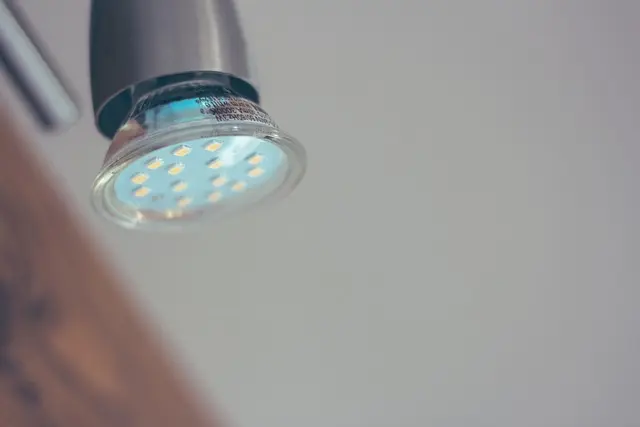
Energy-efficient lighting refers to lighting solutions that use less electricity to produce the same amount of light compared to traditional options such as incandescent bulbs. The most common types of energy-efficient lighting include compact fluorescent lamps (CFLs), light-emitting diodes (LEDs), and halogen bulbs. These technologies are not only designed to use less power but also last significantly longer than their incandescent counterparts, which means less frequent replacement and ultimately, reduced waste.
According to the UK Department of Business, Energy & Industrial Strategy, switching to LED lighting can reduce energy consumption for lighting by up to 80% compared to traditional bulbs. This results in lower electricity bills, reducing both environmental impact and costs for homeowners.
Step 1: Assess Your Current Lighting Needs
Before making any changes, start by evaluating your current lighting. Identify areas in your home that require lighting and consider the different activities performed in these spaces. Living rooms, kitchens, and workspaces all have unique lighting requirements. Make a list of the types of bulbs currently in use, their wattage, and their lumens output, as well as the frequency of use for each area. Understanding your lighting needs helps in choosing suitable energy-efficient replacements.
Step 2: Choose the Right Type of Energy-Efficient Bulb
Based on your assessment, you can select the right type of energy-efficient bulbs. Here are the main options:
- LED Bulbs: These are the most efficient and have a long lifespan of approximately 15,000 to 50,000 hours. They emit less heat than other bulbs and are available in various colour temperatures.
- CFLs: Although slightly less efficient than LEDs, CFLs are still a good option and are typically less expensive. They usually last ~10,000 hours.
- Halogen Bulbs: Slightly more efficient than incandescent bulbs but less so than CFLs and LEDs. They emit a warm light and are great for task lighting.
Consider your budget, the light's colour temperature, and where the bulbs will be used in your decision-making.
Step 3: Consider Smart Lighting Solutions
In addition to traditional energy-efficient bulbs, consider integrating smart lighting solutions into your home. Smart bulbs can be controlled via smartphone apps or voice commands, allowing you to adjust brightness, set schedules, and even change colours. According to a survey by Statista, around 50% of UK households are expected to adopt smart home technology by 2026, indicating a shift towards energy efficiency and convenience.
Step 4: Maximise Natural Light
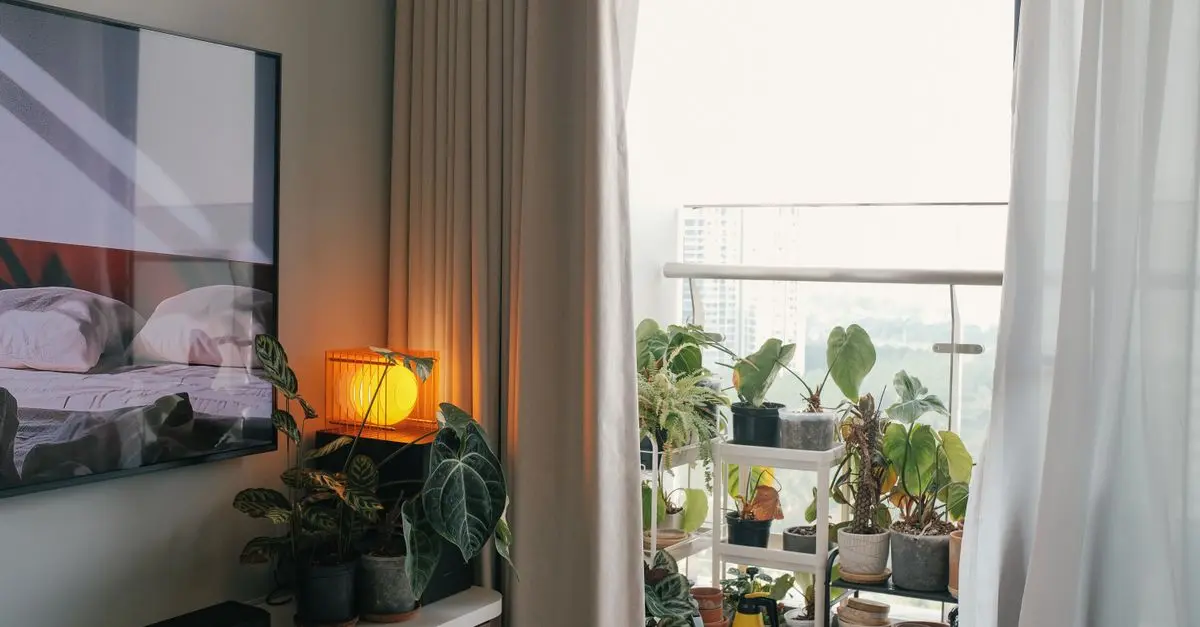
Another key aspect of energy-efficient lighting is harnessing natural light effectively. Use light-coloured curtains and strategic room layouts to maximise daylight. Consider activities you can perform in natural light, like reading or even office work during daylight hours. Additionally, installing mirrors across from windows can help reflect light deeper into your space, reducing the need for electrical lighting during the day.
Step 5: Install Dimmers and Sensors
Implementing dimmers and motion sensors can greatly enhance your energy efficiency. Dimmers allow you to adjust the brightness according to the time of day or activity, therefore saving energy when full brightness is not needed. Motion sensors, on the other hand, ensure that lights are only on when the room is occupied, cutting down on wastage. Install these technologies strategically in high-traffic areas such as hallways and outdoor spaces.
Checklist before Purchase
- [ ] Assess all current light fixtures.
- [ ] Decide on the type of light bulbs needed.
- [ ] Explore smart lighting options.
- [ ] Maximise natural light sources.
- [ ] Consider the installation of dimmers and sensors.
Comparison of Lighting Options
| Criterion | LED | CFL | Halogen |
|---|---|---|---|
| Lifespan | Up to 50,000 hours | Up to 10,000 hours | Up to 2,000 hours |
| Energy Consumption | Low | Moderate | High |
| Cost (per bulb) | Higher | Medium | Lower |
| Heat Emission | Low | Medium | High |
| Light Quality | Excellent | Good | Excellent |
Maintaining a record of your lighting changes and energy savings can help in tracking performance over time. Consider the costs associated with your previous lighting solutions before implementing changes and compare them with your energy bills post-implementation. This will provide insight into the effectiveness of your new energy-efficient lighting solutions.
Q1: How long do energy-efficient bulbs last?
A1: LEDs can last anywhere from 15,000 to 50,000 hours, whereas CFLs last about 10,000 hours.
Q2: Are energy-efficient bulbs really worth it?
A2: Yes, while the upfront cost may be higher, savings on energy bills and reduced frequency of replacements make them a financially sound investment.
Q3: Can I use energy-efficient bulbs in any fixture?
A3: Most fixtures are compatible, but always check the specifications of both the bulb and fixture to ensure compatibility.
Q4: What is the environmental impact of switching to energy-efficient lighting?
A4: Reducing energy consumption lowers greenhouse gas emissions and contributes to a smaller carbon footprint.
Glossary
| Term | Definition |
|---|---|
| Lumens | A measure of light output; the higher the lumens, the brighter the light. |
| Wattage | The measure of electrical power; lower wattage indicates energy efficiency. |
| Colour Temperature | Describes the appearance of the light, measured in Kelvin (K). |
> 💡 Expert Opinion: Investing in energy-efficient lighting is not just about switching bulbs; it's a step towards a more sustainable lifestyle, contributing to environmental preservation.
📺 To go further: Explore energy-efficient lighting solutions, a comprehensive review that delves into energy-saving techniques. Search on YouTube: "energy-efficient lighting solutions 2026".
Recommended Products
- - - - ---
📺 Pour aller plus loin : energy-efficient lighting solutions sur YouTube
Recommended products
Selected by our experts

Absorb light good widely used softbox for photography studio lighting kit with background
Alibaba UK

Intelligent Power off USB Charging Cable for iPhone X 8 6 breathing lighting USB Cable Automatic power-off Charger Cable
Alibaba UK

High quality suitable character photography softbox studio green screen lighting kit
Alibaba UK

Great Free Shipping RAXFLY Magnetic Charge Holder Magnet Charger Lighting Cable Stand Phone Charger
Alibaba UK
139 USB cable lighting game optical mouse computer accessories 2018 gaming mouse
Alibaba UK