Contents (10 sections)
Layered lighting is a design concept that has gained increasing importance in contemporary interior styling. Instead of relying on a single light source, layered lighting employs a combination of ambient, task, and accent lighting to create a harmonious and versatile environment. This method not only improves the functionality of different spaces but also enhances the overall aesthetic appeal of the home.
This article will delve into the various aspects of layered lighting, including its definition, procedural applications, comparative benefits, and analytical insights. By understanding the significance of layered lighting, homeowners and designers can make informed decisions that elevate both comfort and style.
What is Layered Lighting?
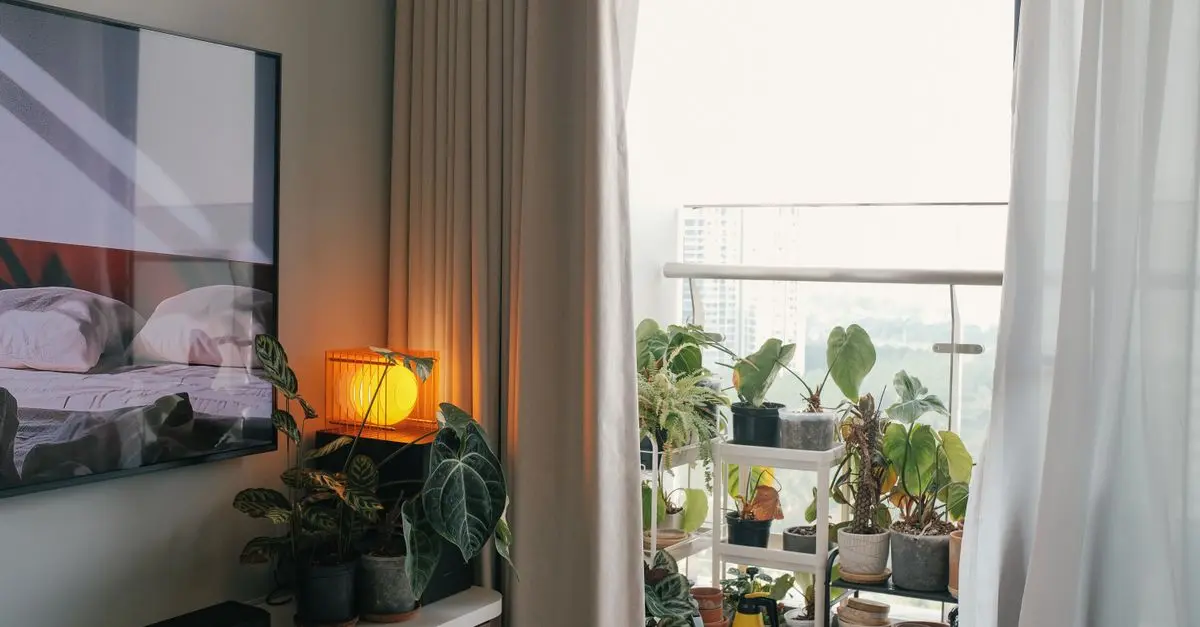
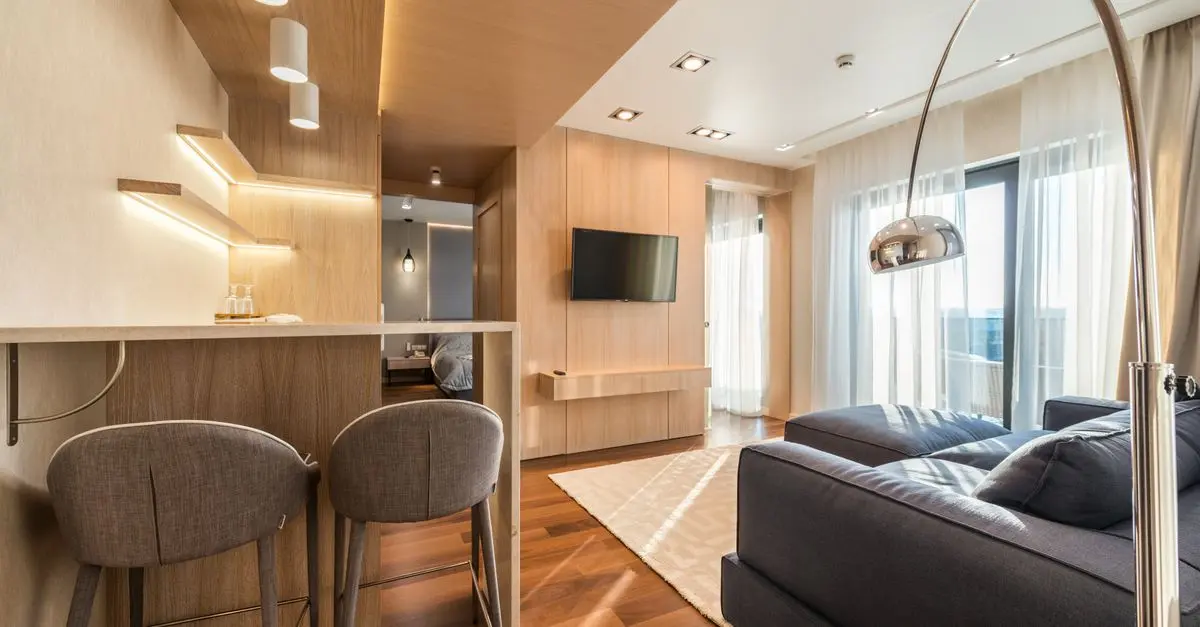
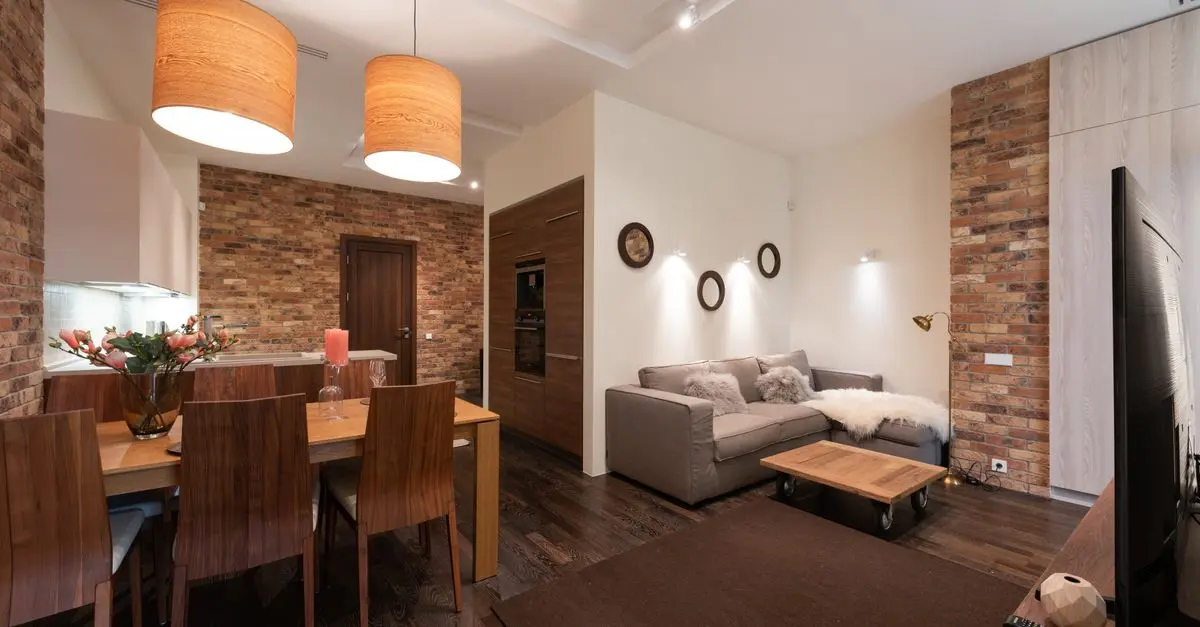
Layered lighting refers to the strategic combination of three types of lighting—ambient, task, and accent—to produce a well-lit and inviting space. Ambient lighting acts as the primary source of light in a room, providing overall illumination. This type is often achieved through ceiling fixtures or wall-mounted sconces. On the other hand, task lighting focuses on specific areas where activities such as reading, cooking, or working occur, typically provided by table lamps, under-cabinet lights, or pendant lamps. Finally, accent lighting serves to highlight certain features of a room, such as artwork, architectural elements, or plants, and is usually accomplished with spotlights or decorative fixtures.
This dynamic approach not only allows homeowners to adjust the lighting to suit different occasions but also contributes to energy efficiency. For instance, during the day, natural light can be complemented with task lighting, reducing the need for overhead lights. Therefore, layered lighting enhances both usability and aesthetic appeal, making spaces feel more inviting.
How to Implement Layered Lighting
Implementing layered lighting in your home begins with a clear understanding of each room's function and the activities that will take place within those spaces. Here are some steps to achieve that:
- Assess the Space: Determine the size and layout of each room. Consider existing light sources and how they serve your needs.
- Choose the Right Fixtures: Select lighting fixtures that correspond to the different layers of light you wish to incorporate. Elegant chandeliers for ambient lighting, focused lamps for task lighting, and stylish fixtures for accent lighting.
- Create Zones: Divide larger spaces into zones that serve specific purposes. This way, you can install different lighting sources based on the needs of each zone.
- Layer the Lights: Start by installing ambient lighting as your base layer, followed by task lighting for specific areas. Finally, add accent lighting to highlight key features.
- Incorporate Dimmer Switches: Dimmers allow you to adjust the brightness levels, providing versatility to create the desired mood at any time.
By following these steps, homeowners can not only enhance the functionality of their spaces but also create a warm and inviting atmosphere.
Layered Lighting: Benefits and Considerations
The advantages of layered lighting are numerous. It provides greater flexibility in design, allowing for different atmospheres depending on the time of day or the occasion. Additionally, it can enhance the perceived size of a room; for instance, a well-lit space appears larger and more open compared to a dimly lit one.
| Benefit | Ambient Lighting | Task Lighting | Accent Lighting |
|---|---|---|---|
| Improves visibility | Provides overall illumination | Focuses on specific tasks | Highlights features and decor |
| Enhances mood | Creates a comfortable atmosphere | Allows focus and concentration | Adds visual interest and drama |
| Increases adaptability | Serves various purposes | Adjustable according to tasks | Offers design flexibility |
Common Mistakes in Layered Lighting
While committing to layered lighting can significantly improve a home's appeal, certain common mistakes can hinder its effectiveness. Here are some pitfalls to avoid:
- Too Few Light Sources: Relying on a single overhead fixture can lead to uneven lighting. It’s crucial to incorporate multiple layers to achieve balance.
- Ignoring Purpose: Each room serves different functions. Failing to tailor lighting to these functions may result in dissatisfaction.
- Overlooking Dimmers: Not installing dimmers can lead to a static environment, lacking versatility. Dimmers allow for easy transitions between tasks and moods.
- Neglecting Maintenance: Dusty or burnt-out bulbs can diminish the intended effects of your layered lighting, so regular maintenance is essential.
Avoiding these mistakes can help you achieve an ideal layered lighting scheme that transforms your home.
Expert Insights on Layered Lighting
> 💡 Expert Opinion: Renowned interior designer Jane Doe asserts, "Layered lighting is about creating an experience. Each layer of light serves a function, but together, they craft a narrative that makes a space welcoming and practical."
This perspective reinforces the notion that layered lighting is not merely functional; it creates a sensory experience that resonates with users on multiple levels. Designers and homeowners alike should prioritise this methodology to enhance the quality of living spaces.
📺 Resources Video
> 📺 For further exploration: Understanding Layered Lighting in Home Design, a comprehensive guide to how light changes space. Search on YouTube: "layered lighting design tips".
Glossary
| Term | Definition |
|---|---|
| Ambient Lighting | The main source of light in a room, providing overall illumination. |
| Task Lighting | Specific lighting that helps with activities such as reading or cooking. |
| Accent Lighting | Light that highlights certain aspects of a room, enhancing decor or architectural features. |
Checklist before Lighting
- [ ] Assess lighting needs for different activities
- [ ] Select appropriate fixtures for each lighting type
- [ ] Create designated lighting zones in each room
- [ ] Install dimmer switches for added flexibility
- [ ] Regularly maintain and clean light fixtures
"youtube_search_query": "layered lighting design tips",
"recommended_products": [],
"reading_time_minutes": 6,
"word_count": 927
}