Contents (9 sections)
Lighting can dramatically affect the atmosphere and functionality of any space. However, navigating the immense variety of lighting options available can be overwhelming. This guide aims to simplify the process of choosing the right lighting for different areas of your home, ensuring that you create an environment that is both stylish and functional.
1. Understand Your Space: Defining Needs and Goals
Before making any lighting decisions, it's essential to thoroughly understand the space you are working with. Each room in your home serves a different purpose and requires a tailored lighting solution. Living rooms, for instance, may benefit from warm ambient lighting to promote relaxation. In contrast, kitchens require bright, task-oriented lighting to enhance visibility when cooking.
Begin by assessing how you use each space. Are you entertaining guests in the living room or working on projects in your office? List out the activities that occur in each area, which will help you identify the requirements for appropriate lighting. Additionally, consider the room's natural light source — large windows will lessen the need for excessive artificial lighting during the day. A well-thought-out plan can prevent common pitfalls, such as choosing overly harsh lighting for intimate settings or neglecting areas that need focused illumination.
2. Explore Different Types of Lighting
When choosing the right lighting, remember that various types of lighting can fulfil different roles in your home. There are three primary categories to consider:
- Ambient Lighting: This is the general illumination that fills the room. It's often provided by ceiling-mounted fixtures, chandeliers, or recessed lighting.
- Task Lighting: This type of lighting is focused on specific tasks, like reading or cooking. Desk lamps, under-cabinet lights, and pendant lights often fit this category.
- Accent Lighting: Used to highlight features in a room, such as artwork or architectural details. Spotlights, wall sconces, and track lighting fall under this category.
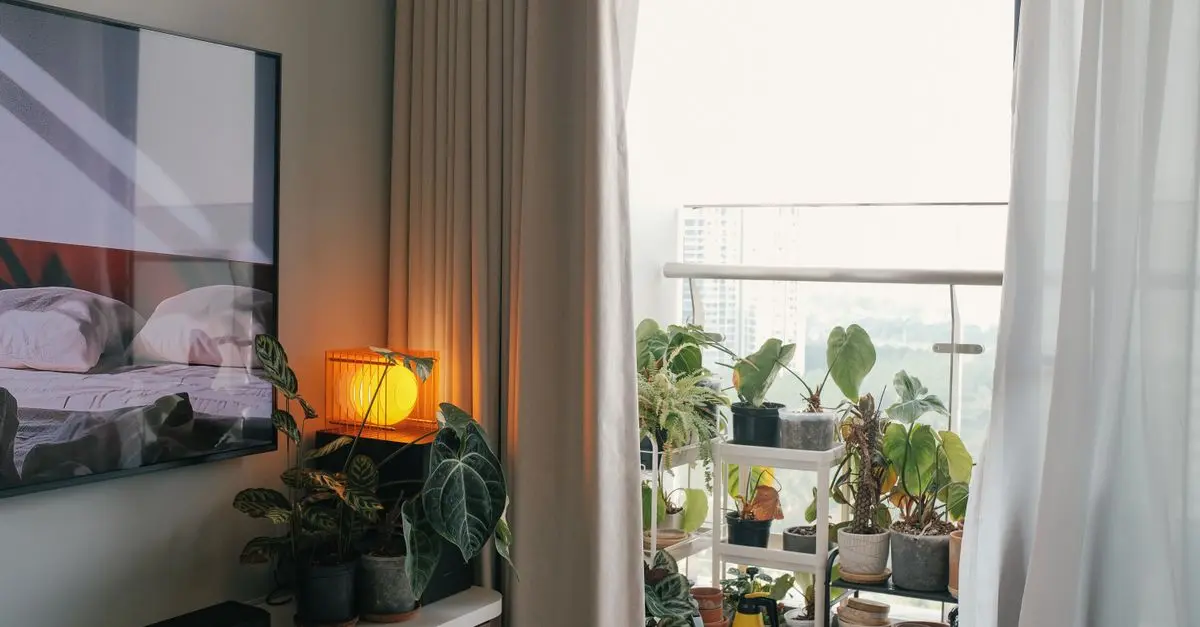
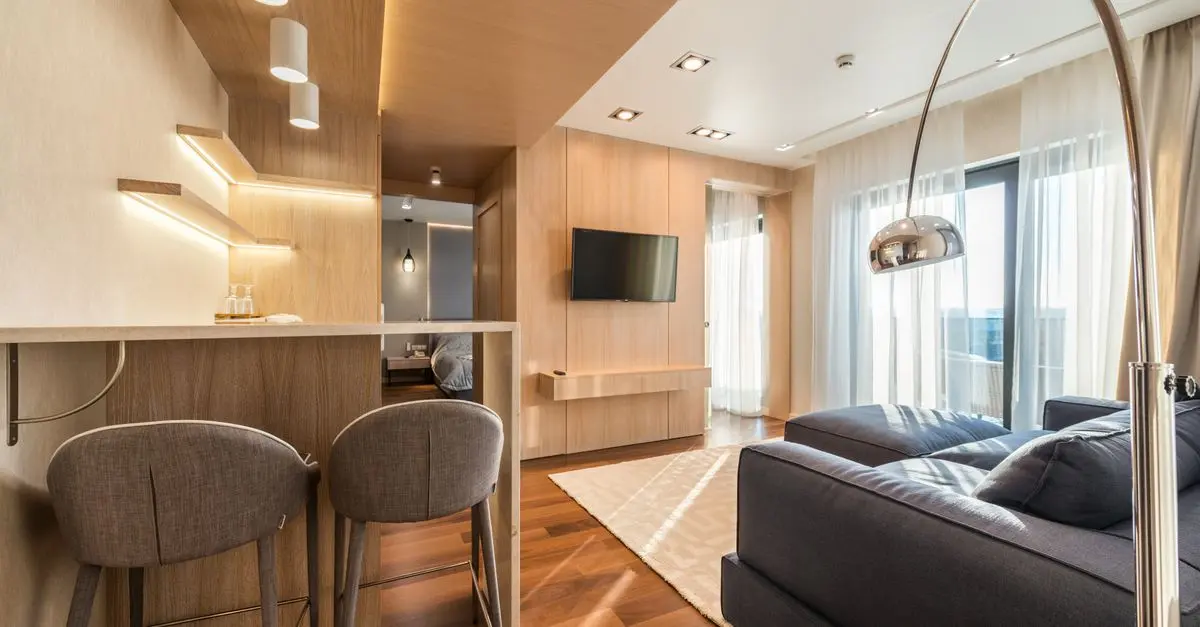
Creating a good lighting design involves layering these types of lighting to achieve balance. For instance, a living room can benefit from ambient lighting via a ceiling fixture, supplemented by task lighting from table lamps, and accent lighting to draw attention to decor. This layering not only enhances functionality but also adds depth and interest to your space.
3. Consider Energy Efficiency and Lighting Technology
In recent years, energy efficiency has become a critical factor in choosing the right lighting. Traditional incandescent bulbs are increasingly being replaced by LED and CFL bulbs due to their longevity and reduced energy consumption. According to the U.S. Department of Energy, switching to energy-efficient lighting can reduce energy costs by up to 75%.
Additionally, modern smart lighting solutions, which allow for adjustments based on activity and mood, are becoming more popular. These systems can often be controlled via smartphone apps and can adjust brightness as well as colour temperature to adapt to different times of the day. When examining your lighting options, always consider both the upfront costs and the potential long-term savings associated with energy-efficient lighting.
4. Selecting the Right Bulbs and Fixtures
After understanding the different types of lighting available, it’s crucial to select appropriate bulbs and fixtures for your needs. The colour temperature of bulbs, measured in Kelvins (K), plays a crucial role in creating the desired atmosphere. Warm white (2700K-3000K) bulbs are suitable for bedrooms and living rooms, promoting relaxation, while cool white (4000K-5000K) is ideal for kitchens and workspaces, providing a more alert and energetic feel.
Choosing the right fixtures is equally important. A large pendant light can serve as a focal point in a dining room but may overwhelm a small space. In contrast, recessed lighting provides subtle illumination that doesn’t distract from decor. Always consider the scale of your fixtures in relation to the room they will inhabit, ensuring that they complement, rather than overcrowd the space.
5. Implementation: A Step-by-Step Approach
Once you have a clear understanding of your lighting needs, preferences, and available technologies, it’s time to implement your plan. Here’s a simple step-by-step approach:
- Define the goal for each room: ambient, task, or accent lighting.
- Assess the existing layout and note areas where light is lacking.
- Choose the fixture types that align with your aesthetic and functional needs.
- Select bulbs based on colour temperature and energy efficiency.
- Evaluate the placement of fixtures and adjust as necessary to optimise light distribution.
- Test the lighting once installed to ensure that it meets your expectations and adjust if needed.
Addressing these steps systematically will help you avoid common mistakes and create a harmonious lighting environment.
6. Common Mistakes to Avoid
As you embark on your lighting journey, beware of frequent missteps often made by homeowners:
- Neglecting Dimmers: Not including dimmers can limit the flexibility of your lighting.
- Overlighting or Underlighting: Balancing layers of light is crucial; both extremes can create discomfort.
- Ignoring Design Aesthetics: Lighting should harmonise with room decor — mismatched styles can disrupt the visual flow.
By keeping these common errors in mind, you can save yourself both time and frustration.
Glossary
| Terme | Définition |
|---|---|
| LED | Ampoule à diodes électroluminescentes, efficace et durable. |
| CFL | Ampoule fluocompacte, moins énergivore que l'incandescente. |
| Kelvin (K) | Unité de mesure de la température de couleur d'une ampoule. |
Checklist avant achat
- [ ] Évaluer les besoins spécifiques de chaque pièce
- [ ] Explorer les différents types de lumière
- [ ] Vérifier l'efficacité énergétique des modèles sélectionnés
- [ ] Choisir des ampoules en fonction de la température de couleur
- [ ] Respecter l'esthétique générale de la maison
📺 Pour aller plus loin : Mastering Home Lighting: Tips and Tricks, une analyse complète de l'éclairage d'intérieur. Recherchez sur YouTube : "home lighting tips 2026".
🧠 Quiz rapide : What type of lighting is ideal for reading?
- A) Ambient
- B) Task
- C) Accent
Réponse : B — Task lighting is designed specifically for focused activities like reading.
📺 Pour aller plus loin : home lighting tips 2026 sur YouTube