Contents (14 sections)
Table of Contents
Know Your Purpose
Choosing the right outdoor lighting begins with understanding your specific needs. Are you looking to illuminate a pathway for safety, create ambiance with soft lighting, or highlight architectural features? Different needs require different solutions. For instance, pathway lights are ideal for safety, while accent lights can enhance aesthetics. Consider a scenario where a garden party is planned; ambient lighting creates a welcoming atmosphere, whereas security lighting ensures safety. Therefore, determine if your focus is more on aesthetics, functionality, or security purposes and proceed accordingly.
Consider Energy Efficiency
When it comes to efficiency, opting for LED lights can significantly reduce electricity costs. According to l'ADEME, using LED bulbs can save up to 75% more energy than traditional bulbs. For eco-conscious homeowners, solar-powered lights, which use renewable energy, are a viable alternative and lower carbon footprints. Initial investments might be higher, but the long-term savings and environmental benefits are substantial. Additionally, lights with motion sensors can reduce unnecessary consumption by activating only when needed.
Match Style with Functionality
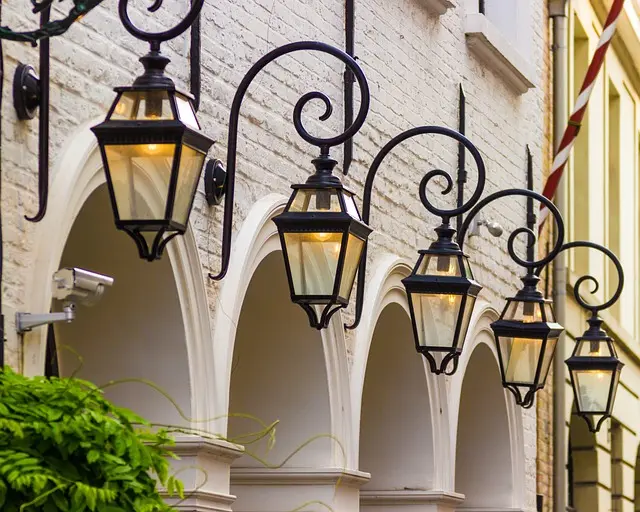
Aesthetics should harmonise with functionality. Whether your style is contemporary or traditional, there are fixtures to match. Modern homes might benefit from sleek, minimalist designs, whereas Victorian setups often favour ornate lanterns. Selecting fixtures that complement your home's architectural style enhances both appearance and property value. For example, pairing rustic lanterns with a country-style cottage creates visual cohesion that feels both intentional and charming.
Check Weather Resistance
Outdoor lights face environmental elements, demanding resilience against rain, wind, and dust. Look for fixtures with a high IP rating—denoting Ingress Protection—indicated by two digits: the first for solid object protection and the second for moisture. A light fixture rated IP65, for instance, is dust-tight and protected from water jets, which makes it suitable for garden areas prone to sprinkler exposure. Robust weather-proofing guarantees longevity and performance.
Evaluate Illumination Level
The lighting intensity required varies based on area and purpose. Lumens measure the light output, where higher lumens indicate brighter light. A walkway may require around 100-200 lumens to ensure safety, whereas accent lighting might only need 50-75 lumens to highlight features. Testing various lumens in situ helps tailor light levels to specific needs. During our trials, adequate lumens provided ideal visibility without being overpowering.
Think About Placement and Positioning
Strategic positioning of lights can transform outdoor spaces. Consider potential shadow casting and glare. For example, placing a light fixture beneath stairs can help avoid tripping hazards, while upward lighting accentuates landscape features. Adjustability is key; fixtures allowing rotation cater to changing focal points. Gardeners may desire seasonal shifts, highlighting different plants or sculptures throughout the year.
Explore Control Options
Advanced control systems enhance lighting convenience and efficiency. Smart lighting systems, controllable via smartphone apps, offer flexibility in settings—brightness, colours, and schedules. Motion sensors, meanwhile, activate lights only upon detecting movement, conserving energy without compromising security. Implementing dimmers provides mood versatility, transitioning from casual evenings to vibrant gatherings seamlessly.
Prioritise Safety and Security
Safety and security are paramount. Using lights with built-in motion detectors or dusk-to-dawn sensors offers dual benefits. These features deter potential intruders, create safer pathways, and illuminate hazardous areas. Installing lights at all entry points ensures comprehensive coverage. For security lighting affinity, focus lights towards doors and driveways without casting harsh shadows, enhancing peace of mind.
📺 Resource Video
> 📺 For further insights: How to Choose the Best Outdoor Lighting Fixtures, a comprehensive analysis of key considerations and trends. Search on YouTube: "choosing outdoor lighting fixtures 2026".
Comparative Analysis
| Criterion | LED Lights | Halogen Lights | Solar Lights |
|---|---|---|---|
| Energy Efficiency | High | Moderate | High |
| Installation Cost | Moderate | Low | Moderate to High |
| Maintenance | Low | High | Low |
| Weather Resistance | High, in general | Moderate | High, with good IP |
- What is the best type of light for pathways?
Pathway lights, particularly LED ones, offer optimal efficiency and coverage.
- Can solar lights work during cloudy days?
Yes, but they rely on stored solar power, potentially dimming during prolonged overcast skies.
- How can outdoor lights be automated?
Through smart lighting systems controlled by apps or devices, often with sensor integrations.
- What should be considered for security lighting?
Focus on coverage, motion detection, and minimal shadow creation to enhance visibility.
Glossary
| Term | Definition |
|---|---|
| Lumens | Measure of light brightness. |
| IP Rating | Indicator of a fixture's resistance to dust and water. |
| Smart Lighting | Systems that enable remote control of lighting via connectivity. |
Checklist Before Purchase
- [ ] Identify the purpose of your lighting
- [ ] Check the energy efficiency of options
- [ ] Match lighting style with home aesthetics
- [ ] Ensure weather resistance with high IP rating
- [ ] Verify illumination levels by lumens
- [ ] Plan strategic placement around outdoor spaces
- [ ] Explore automated control systems
- [ ] Prioritise fixtures with safety features
🧠 Quiz rapide : Which outdoor lighting fixture is most energy-efficient?
- A) Halogen
- B) LED
- C) Incandescent
Réponse : B — LED lights provide high energy efficiency, reducing long-term costs.