Contents (15 sections)
Choosing eco-friendly lighting solutions is not only beneficial for the environment but also helps in reducing energy costs and creating a sustainable home. As we face climate change and resource scarcity, making informed decisions about lighting can significantly impact energy consumption and carbon emissions. Here, we will explore ten insightful tips that will guide you in selecting the best eco-friendly lighting options for your home.
1. Understand Energy Efficiency Ratings
Energy efficiency ratings are crucial when selecting lighting solutions. Look for LED bulbs, which typically have an efficiency rating of A or A+. These bulbs consume up to 80% less energy than traditional incandescent bulbs, translating to lower electricity bills. Furthermore, energy-efficient lighting often lasts longer, which means fewer replacements and less waste in landfills.
2. Embrace Natural Light
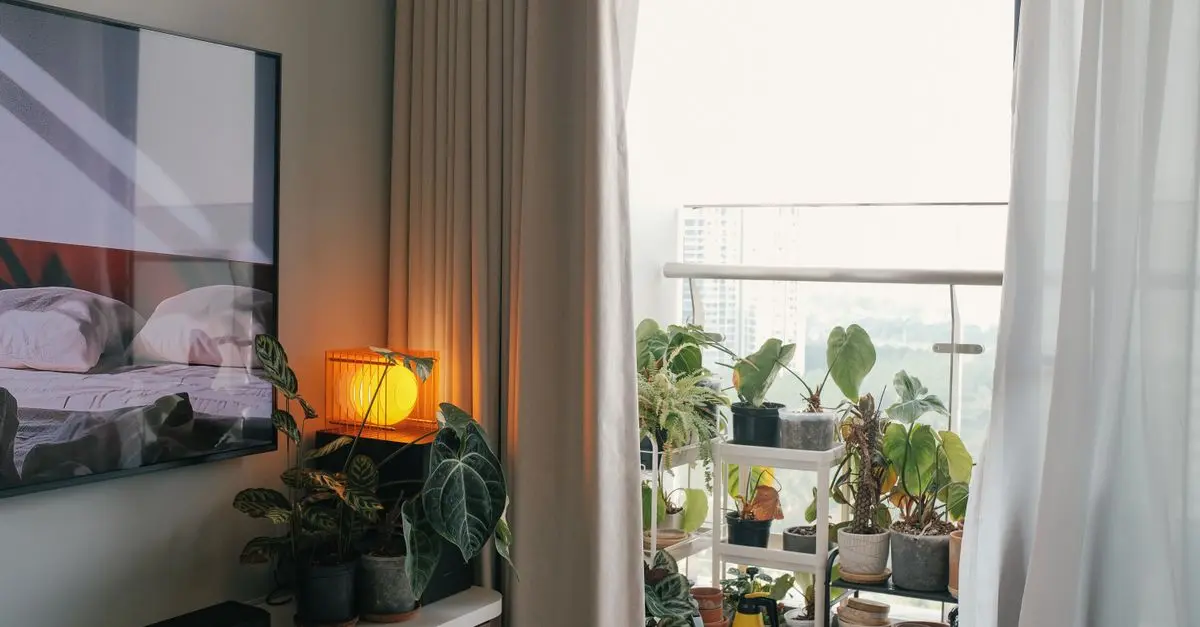
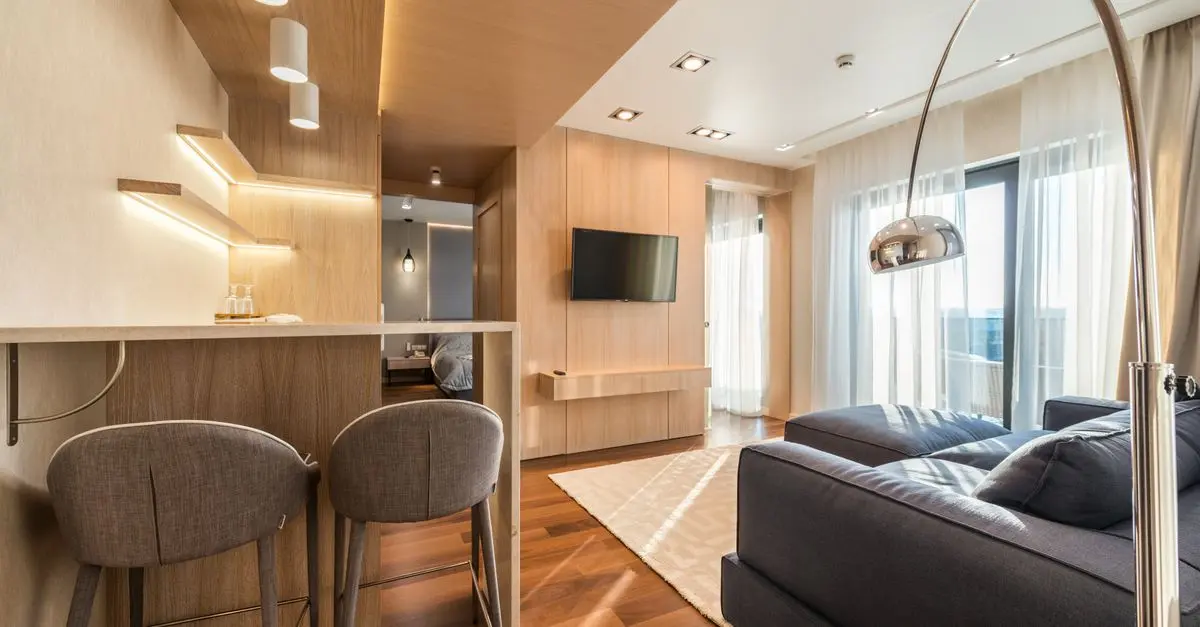
Maximising natural light is one of the simplest eco-friendly lighting solutions. It reduces dependency on artificial lighting during the day. Consider using light-coloured curtains, mirrors, and strategically placed windows to enhance natural light flow throughout your home. Not only does this reduce energy consumption, but it also provides a healthier and more pleasant living environment.

YOFEEL - Customized matt Phone Case ecofriendly biodegradable phone case for iphone x xs
Alibaba UK


3. Choose Dimmable Lights
Dimmable lighting solutions allow you to adjust the brightness of your space according to your needs. This flexibility not only contributes to energy savings but also creates the perfect ambience. Many LED fixtures now come with dimmable options, making them a versatile choice for eco-conscious consumers.
4. Opt for Smart Technology
Integrating smart technology into your lighting system can significantly enhance energy efficiency. Smart bulbs can be controlled via smartphone applications, allowing you to turn off lights remotely or set timers. This ensures that lights are only on when needed, thus reducing unnecessary energy usage. Moreover, smart technology can help you monitor your energy consumption, prompting further efficiency improvements.
5. Use Recycled Materials
Lighting fixtures made from recycled materials contribute to a circular economy and reduce resource depletion. Look for brands that offer lampshades or fixtures crafted from wood, glass, or metal that has been repurposed. These products not only reduce waste but often add a unique character to your home decor.
6. Consider the Lifetime of the Product
When selecting lighting solutions, consider the lifespan of the product. High-quality LED bulbs can last up to 25,000 hours, while incandescent bulbs only last about 1,000 hours. Investing in longer-lasting bulbs means less frequent replacements, which reduces waste. Additionally, always check if the lighting option is recyclable, further aiding in sustainability efforts.

Microsoft Exam 70-488: Developing SharePoint Server 2013 Core Solutions Online Course
Learning 24/7

Microsoft AZ-203: Developing Solutions for Microsoft Azure Training Course
Learning 24/7
7. Aim for Low Toxicity
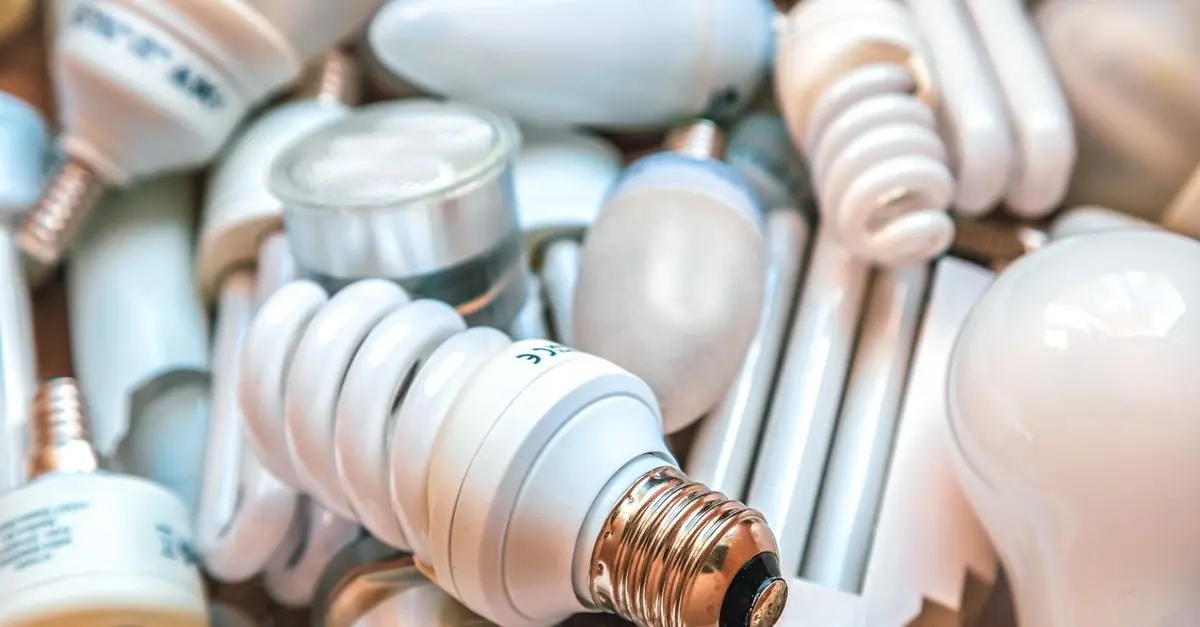
Toxic materials in lighting products can contribute to indoor pollution. Select products that are free from harmful substances, such as mercury, commonly found in CFL bulbs. Opting for LED lighting significantly reduces the risk of exposure to toxic materials, creating a healthier environment for you and your family.
8. Incorporate Task Lighting
Instead of illuminating an entire room, consider using task lighting to focus light where it's needed most. Desk lamps, kitchen lights, and reading lamps help reduce energy consumption by allowing you to use lower wattage bulbs in specific areas. This targeted approach not only saves energy but also improves the functionality of your space.
9. Investigate Local Products
Supporting local lighting manufacturers not only contributes to the regional economy but also reduces the carbon footprint associated with transportation. Local products often use less packaging, further reducing waste. Additionally, many local artisans are committed to sustainable practices, ensuring that your purchase is environmentally friendly.
10. Review Lighting Patterns and Styles
How you arrange your lighting can significantly influence energy consumption. Consider layering lights to create depth and reduce reliance on a single source. Using a combination of ambient, accent, and task lighting can enhance the aesthetic of your home while minimising energy use.
📺 Ressource Vidéo
> 📺 Pour aller plus loin : How to Choose Eco-Friendly Lighting*, a comprehensive guide on selecting environmentally friendly lighting options. Search on YouTube: "eco-friendly lighting solutions 2026".
Conclusion
By implementing these ten tips, you can make informed decisions about your lighting choices, thus enhancing both your home’s aesthetic and sustainability. From energy efficiency to supporting local products, each decision matters. To help you get started, we have selected several products adapted to eco-friendly lighting solutions below.
Checklist avant achat
- [ ] Verify energy efficiency ratings
- [ ] Maximise natural light
- [ ] Check for dimmable options
- [ ] Include smart technology
- [ ] Look for recycled materials
- [ ] Assess product lifetime
- [ ] Ensure low toxicity
- [ ] Incorporate task lighting
- [ ] Support local manufacturers
- [ ] Review lighting arrangements
Glossaire
| Terme | Définition |
|---|---|
| LED | Diode électroluminescente, une source lumineuse très économe en énergie. |
| CFC | Ampoules fluorescentes compactes, connues pour leur efficacité énergétique mais contenant du mercure. |
| Efficacité énergétique | Capacité d'un appareil à utiliser moins d'énergie pour fournir le même service. |
---
📺 Pour aller plus loin : eco-friendly lighting solutions 2026 sur YouTube
Recommended products
Selected by our experts


Elo Touch Solutions E393754 embedded computer Rockchip 32 GB Flash 4 GB
Back to the Office