Contents (14 sections)
Ambient lighting is a crucial aspect of interior design, creating an atmosphere that can significantly affect mood and functionality within a space. It differs from task lighting, which is focused on specific activities, and accent lighting, which highlights particular features. Choosing the right ambient lighting is essential for making your home comfortable and welcoming. In this article, we will explore the top ten tips for selecting the perfect ambient lighting to enhance your home's atmosphere.
1. Understand the Different Types of Ambient Lighting
Before diving into the buying process, it's essential to understand the various types of ambient lighting available. Common options include ceiling-mounted fixtures, wall sconces, and track lighting. Each type serves a different purpose and can impact the room in unique ways. For example, ceiling-mounted fixtures provide overhead light, making them ideal for general use, while wall sconces can add warmth and texture. Assess your space and consider how different fixtures can complement each other to create a harmonious lighting scheme.
2. Consider the Size of the Room
The size of your room plays a significant role in determining the type and quantity of ambient lighting you need. Larger rooms typically require multiple light sources to create an evenly lit environment. According to a 2026 survey by Les Numériques, larger spaces benefit from layered lighting - combining ambient, task, and accent lighting effectively. Small rooms, on the other hand, may only need a single light fixture. Always remember that the objective is to avoid harsh shadows while ensuring the light is evenly distributed throughout the room.
3. Choose the Right Light Bulbs
The type of light bulb you choose can drastically influence the warmth and feel of ambient lighting. LED bulbs are energy-efficient and come in various colour temperatures, allowing you to create the desired atmosphere. Warmer tones (2700K-3000K) are known to create a cozy and inviting environment, while cooler tones (4000K-5000K) can make spaces feel more open and alert. When selecting bulbs, consider fixtures that allow you to switch between colour temperatures for versatility. Philips and Osram are well-regarded brands which offer a broad selection of bulbs tailored to various needs.
4. Utilise Dimmers for Flexibility
Installing dimmer switches provides greater control over your ambient lighting. They allow you to adjust the brightness according to the time of day and the mood you want to create. A well-placed dimmer can transform a bright, lively space into a relaxed, intimate setting with minimal effort. Furthermore, according to a study by UFC-Que Choisir, users reported heightened satisfaction with lighting conditions in spaces where dimmers were installed. This adaptability is particularly beneficial in multipurpose rooms that serve different functions at different times.
5. Think About Layout and Positioning
The layout of lighting fixtures is critical in achieving effective ambient lighting. It's important to strategically position lights, especially in relation to walls and furniture. For instance, placing fixtures close to walls can help bounce light around the room, creating a brighter space without overwhelming illumination. Experiment with different placements to find the best arrangement. Don't hesitate to seek the advice of lighting professionals if you feel uncertain about optimising your lighting layout.
📺 Resource Video
> 📺 For further insights: Understanding Ambient Lighting for Your Home, explore our detailed video on YouTube: "ambient lighting tips 2026".
6. Choose Fixtures that Complement Your Decor
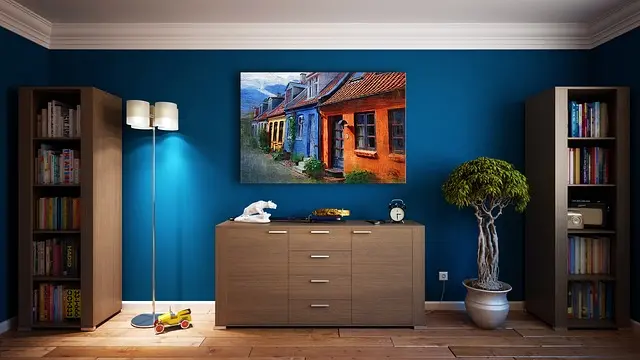
Ambient lighting fixtures can be both functional and decorative. Select styles that complement your home's overall aesthetic. For instance, rustic homes benefit from vintage-style lamps, while modern spaces suit sleek, contemporary designs. Choosing fixtures that suit your personal taste can enhance the overall look and feel of your space. According to Les Numériques, integrating decorative lighting is a trend gaining momentum in interior design for its dual functionality.
7. Incorporate Natural Light
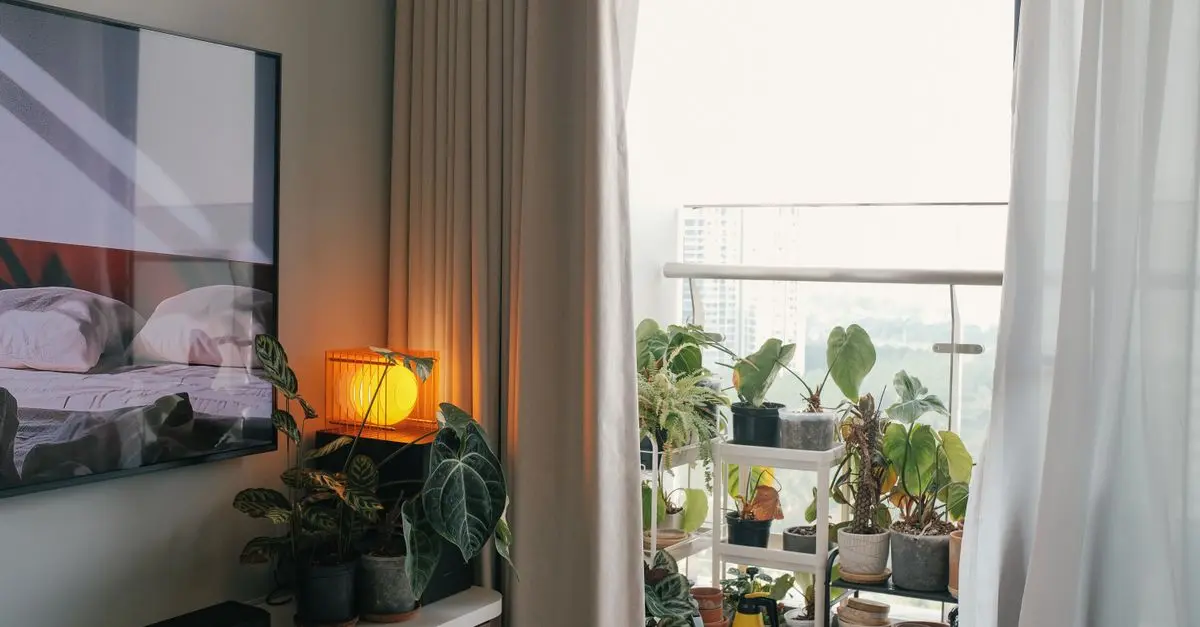
Whenever possible, take advantage of natural light as part of your ambient lighting strategy. Incorporating windows, skylights, and open spaces not only brightens rooms but also has positive effects on mood and well-being. The World Health Organisation has linked exposure to natural light with various health benefits, including improved sleep patterns and increased productivity. Consider sheer curtains or reflective surfaces to maximise the influx of natural light during daytime hours.
8. Create Layered Lighting
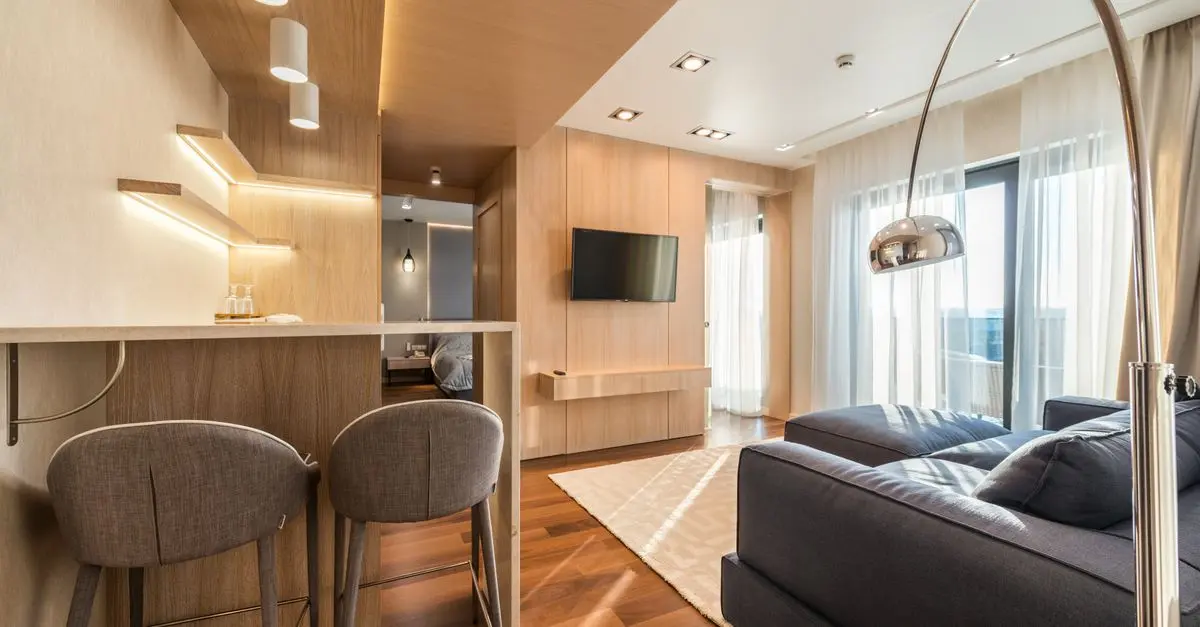
Layering your lighting involves combining ambient, task, and accent lighting for a cohesive effect. Layering ensures that you have light where you need it most, while also creating a warm and inviting atmosphere. Explore different sources such as floor lamps, table lamps, and wall fixtures to achieve a well-rounded lighting plan. The combination of multiple light sources creates depth and dynamism within your decor.
| Feature | Ceiling-mounted light | Floor lamp | Table lamp | Verdict |
|---|---|---|---|---|
| Brightness | High | Medium | Medium | Ceiling light is best for overall lighting |
| Flexibility | Low | High | High | Floor and table lamps offer versatility |
| Decorative Appeal | Moderate | High | Moderate | Floor lamps tend to be more decorative |
| Energy Efficiency | High | Moderate | Moderate | Ceiling lights often use LED, while bulbs vary |
10. Take Your Time to Decide
Choosing the right ambient lighting is not a decision to rush. Take your time to consider how each fixture affects your space and whether it meets the aesthetic and functional demands of your home. Make notes and sketches if needed, and revisit the options after some time for a fresh perspective. Remember, the goal is to enhance the atmosphere of your home in a way that pleases you and your guests.
Glossary
| Term | Definition |
|---|
| Ambient Lighting | General illumination that fills a space and provides a uniform level of light throughout.
| Dimmers | Devices that allow the user to control the brightness of the light fixtures.
| LED Bulbs | Energy-efficient light bulbs that emit light using light-emitting diodes, available in various colour temperatures.
Checklist before Purchase
- [ ] Assess the room size for appropriate lighting.
- [ ] Choose light bulbs based on colour temperatures.
- [ ] Install dimmer switches for flexibility.
- [ ] Evaluate fixture styles to match existing decor.
- [ ] Test lighting options before final decision.
🧠 Quick Quiz: How does ambient lighting affect your mood?
- A) Positively impacts mood
- B) Negatively impacts mood
- C) No impact
Answer: A — Effective ambient lighting creates a comfortable and inviting atmosphere, enhancing mood.
📺 Pour aller plus loin : ambient lighting tips 2026 sur YouTube