Contents (12 sections)
Lighting is a fundamental element that can transform a space, impact mood, and enhance functionality. Understanding the significance of choosing the right lighting is crucial for creating a comfortable and welcoming atmosphere in your home. Different types of lighting serve various purposes: ambient lighting provides overall illumination, task lighting focuses on specific areas for tasks like reading or cooking, and accent lighting highlights features you want to showcase, such as artwork or architectural details. According to a survey conducted by The Lighting Research Center, 85% of individuals reported that well-designed lighting enhances their mood and productivity, making thoughtful selection of lighting fixtures essential.
1. Assess the Function of Each Room
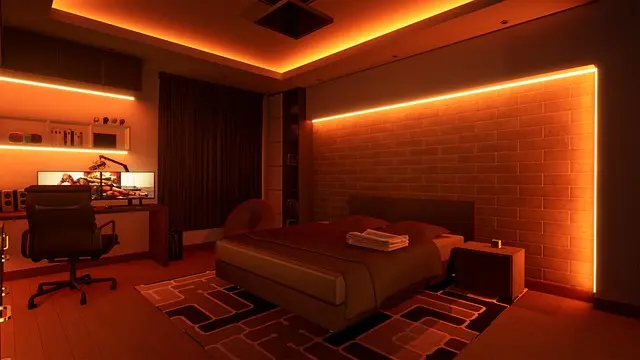
Before diving into the selection process for lighting, it’s important to evaluate what each room in your home will be primarily used for. For instance, the lighting needs in a kitchen differ significantly from those in a bedroom or a lounge. In kitchens, brighter, task-oriented lighting is essential for safety and functionality while cooking and meal prep. Consider under-cabinet lighting to illuminate countertops effectively. Conversely, in bedrooms, softer, warm lighting creates a peaceful environment conducive to relaxation and sleep. Think about the activities that will take place in each area and choose fixtures that meet those specific needs.
2. Layer Your Lighting
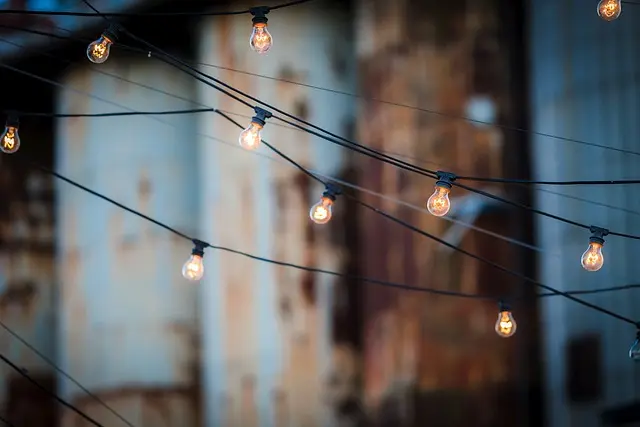
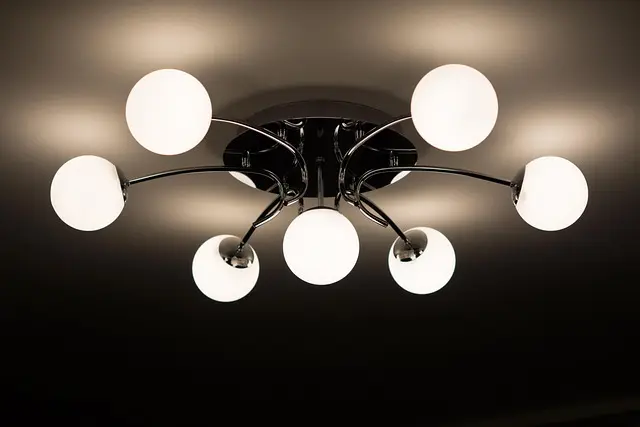
One effective method for choosing the right lighting is to layer various types of lighting. This means incorporating ambient, task, and accent lighting to create a well-balanced atmosphere that is both functional and aesthetically pleasing. For example, a living room might have a central chandelier (ambient lighting), table lamps (task lighting), and wall sconces to highlight artwork (accent lighting). Layering allows for flexibility in adjusting the mood of a space—dim incandescent bulbs create a cosy environment, while brighter LEDs can energize the room for social gatherings.
3. Consider Natural Light
Don’t overlook the influence of natural light in your spaces. Large windows or skylights can enhance the overall brightness of a room during the day. Assess how much natural light each room receives through the various seasons to determine the most effective lighting strategy. In rooms with plenty of natural light, you may need less artificial lighting and can benefit from fixtures that complement the light, such as sheer curtains or lighter-coloured lampshades. Moreover, using mirrors strategically can amplify the natural light, creating a more open and airy feel throughout your home.
4. Energy Efficiency Matters
Selecting energy-efficient lighting is not just an environmentally responsible choice but also a cost-effective one. LED bulbs have gained popularity over the years as they last significantly longer than traditional incandescent bulbs and consume up to 75% less energy. Additionally, they come in a range of colour temperatures, making it easier to achieve the desired ambience. According to Energy Saving Trust, switching to LED lighting can save an average household nearly £70 a year on energy bills. Therefore, consider making this switch when choosing the right lighting for your home.
5. Style and Aesthetic
The aesthetic appeal of your lighting cannot be ignored. Lighting fixtures serve as great accent pieces that can complement or enhance your room décor. When choosing the right lighting, think about the materials and styles that resonate with your overall design theme. For a mid-century modern home, opt for sleek lines and geometric shapes; for a rustic interior, consider fixtures made from natural materials like wood or wrought iron. Visiting a showroom or browsing online should provide ample inspiration. Additionally, ensure the fixtures are proportional to the space; oversized chandeliers can overwhelm smaller rooms, whereas delicate pendant lights can get lost in expansive ceilings.
6. Flexibility in Lighting Control
In an age where smart home technology is becoming an integral part of our lives, considering lighting control options can add practicality and modernity to your home. Smart bulbs or dimmer switches allow you to adjust the brightness according to the time of day or specific activities. They can be controlled via smartphone apps or voice-activated devices for convenience. This flexibility can dramatically alter the feel of a space, making it brighter during the day for productivity and softer at night for a calm environment.
7. Safety Considerations
Particularly in spaces like stairways, hallways, and bathrooms, safety should be a priority when choosing the right lighting. Here, bright and even illumination is key to preventing accidents. Installing motion-sensor lights can also be a great way to enhance safety, as they automatically turn on when someone approaches. This is particularly useful during nighttime when you don't want to fumble for switches while navigating dark corridors. Using non-slip and waterproof fixtures in bathrooms adds another layer of safety in potentially wet environments, ensuring both functionality and peace of mind.
8. Think About Maintenance and Accessibility
When selecting lighting fixtures, consider their maintenance needs and how accessible they will be. Fixtures that require frequent bulb changes or cleaning might not be ideal for high ceilings or hard-to-reach places. Designing your lighting layout to make changing bulbs easy will save you time and frustration in the long run. Moreover, opting for fixtures that are easy to clean can ensure your lighting remains beautiful and functional over time without a hefty maintenance commitment.
📺 For Further Insights
Discover how to choose lighting fixtures with a video on YouTube: "Choosing the Right Lighting for Your Home - Expert Tips”. Search for: "choosing the right lighting 2026".
📋 Checklist Before You Buy
- [ ] Assess the function of each room
- [ ] Layer the lighting types (ambient, task, accent)
- [ ] Consider natural light availability
- [ ] Check energy efficiency ratings (LED preferred)
- [ ] Match style with home aesthetic
- [ ] Explore flexible lighting controls (smart options)
- [ ] Ensure safety measures are in place
- [ ] Think about maintenance of fixtures
Glossary
| Terme | Définition |
|---|---|
| Ambient Lighting | General illumination that fills a space evenly. |
| Task Lighting | Focused lighting for specific tasks like reading or cooking. |
| Accent Lighting | Additional lighting to highlight features or decor.
🧠 Quiz rapide : What room requires the brightest lighting?
- A) Bedroom
- B) Bathroom
- C) Kitchen
Réponse : C — The Kitchen needs bright lights for safety when cooking and preparing food.
📺 Pour aller plus loin : Top 5 Best Solar Outdoor Lights 2026 💡 Solar Outdoor Light Review & Buying Guide! sur YouTube