Contents (13 sections)
Choosing the right lighting for your home is essential in creating a warm and inviting atmosphere. Proper lighting not only enhances the aesthetics of your space but also affects your mood and productivity. Whether you’re looking to illuminate a cozy living room or create an ambient dining area, understanding the fundamentals of lighting can make all the difference. Here, we’ll explore ten essential tips for selecting the perfect lighting that meets your needs.
1. Assess the Purpose of Each Room
Before diving into lamp models and fixtures, consider the primary functions of each room. For example, kitchens require bright, task-oriented lighting for cooking, while bedrooms benefit from softer, ambient lighting that fosters relaxation. Darker spaces might need more powerful fixtures or additional sources of light, such as wall sconces or table lamps. By aligning your lighting choices with the purpose of the room, you can ensure that every area meets the specific needs of daily life.
2. Understand the Different Types of Lighting
Understanding the types of lighting available will help you design a layered lighting plan. The three main types to consider are:
- Ambient Lighting: The general illumination of a space that ensures visibility.
- Task Lighting: Focused lighting that aids in specific tasks, like reading or cooking.
- Accent Lighting: This highlights certain features, such as artwork or architectural elements.
Combining these three types creates a cohesive ambiance while serving various functions. For example, in a dining room, ambient light sets the tone, task light can illuminate the table for meals, and accent light can highlight décor.


3. Energy Efficiency Matters
In recent years, energy-efficient lighting solutions have become paramount, not only for reducing electricity costs but also for their environmental impact. LED bulbs are an excellent choice as they use up to 80% less energy than traditional incandescent bulbs and last much longer. According to recent reports, transitioning to energy-efficient lighting can reduce a household's energy bill significantly. By incorporating such options, you also contribute to a sustainable future while enjoying bright and effective lighting.
4. Choose the Right Bulb Type
When choosing a bulb, consider the Kelvin temperature for colour representation:
- Warm White (2700K-3000K): Ideal for living areas and bedrooms.
- Cool White (4000K-5000K): Best suited for kitchens and bathrooms.
- Daylight (5000K-6500K): Good for studying or detailed tasks in workspaces.
Think about how each brightness and hue will affect the ambiance and functionality of your space. For instance, a cool white may energise your workspace, while warmer shades could create a more inviting living area.
5. Incorporate Dimming Options
Dimmers are a versatile solution that allows you to adjust light intensity according to the occasion. They offer flexibility in creating different atmospheres, from bright light for activities to soft, warm light for an evening of relaxation. Moreover, using dimmers can prolong the life of your light bulbs and further contribute to energy efficiency.
6. Prioritise Fixture Design and Style
Lighting fixtures aren’t just utilitarian; they serve as integral design elements in your home. When choosing fixtures, think about how their styles complement your interior decor. Modern industrial, traditional, or minimalist fixtures can reinforce the overall theme of your room, while mismatched styles could create a chaotic effect. Select designs that resonate with your aesthetic preferences to accentuate your home’s character.


Zebra ET51 Intel Atom® 64 GB 25.6 cm (10.1") 4 GB Wi-Fi 5 (802.11ac) Windows 10 IoT Enterprise Black
Back to the Office
7. Use Layering Techniques
Layering light can significantly enhance the overall atmosphere of your room. Start with ambient lighting as your base and integrate task and accent lighting to create depth. For instance, in a living room, a pendant light may serve as ambient lighting, while table lamps can act as task lighting, and spotlights can highlight artwork. This technique ensures your spaces are not only adequately illuminated but also visually intriguing.
8. Consider the Size of Your Space
The dimensions of your room will greatly influence your lighting choices. Larger spaces may require multiple light sources or more powerful fixtures to avoid dark corners, while smaller rooms can benefit from strategically positioned lights that enhance openness. A general rule of thumb is to multiply the room length by width to determine the wattage needed. For instance, a 10x10 ft. room would ideally require about 1,000 lumens of light.
9. Don’t Forget About Natural Light
Maximising natural light throughout your home can reduce reliance on electric lighting during the day. Pay attention to window placement and treat windows with light-coloured sheers that brighten the space while maintaining privacy. Using mirrors strategically can also help amplify natural light, making spaces feel larger and more inviting. Additionally, consider the direction your home faces; southern exposures often provide the most light.
10. Test Before You Commit
Finally, consider testing your selected lighting before making final purchases. Many retailers offer the option to borrow light fixtures or sample bulbs. Spend some time in your space under different light conditions throughout the day to see which lighting suits you best. Pay attention to shadows, reflections, and how the lighting complements your decor. Remember, sometimes a gradual approach is best to ensure everything harmonises together.
Checklist before Purchasing Lighting
- [ ] Assess the purpose of each room.
- [ ] Understand the types of lighting to incorporate.
- [ ] Choose energy-efficient options.
- [ ] Select the appropriate bulb type and temperature.
- [ ] Consider dimming options for versatility.
- [ ] Ensure fixture styles match your decor.
- [ ] Implement several layers of illumination.
- [ ] Evaluate the size and dimensions of your rooms.
- [ ] Maximise the use of natural light.
- [ ] Test lighting options in your actual space.
Glossary
| Terme | Définition |
|---|---|
| Ambient Lighting | General illumination that fills a space with light. |
| Task Lighting | Focused lighting for specific tasks like reading or working. |
| Accent Lighting | Decorative lighting that highlights architectural or design features. |
📺 Pour aller plus loin : Understanding Lighting Styles for Your Home, a comprehensive guide to selecting lighting that fits your style preference. Recherchez sur YouTube : "how to choose home lighting 2026".
📺 Pour aller plus loin : how to choose home lighting 2026 sur YouTube
Recommended products
Selected by our experts


Zebra ET56 Snapdragon LTE 32 GB 21.3 cm (8.4") 4 GB Wi-Fi 5 (802.11ac) Android 10 Black
Back to the Office

Pack of 5 6w, Colour Adjustable Fire Rated Downlights, Matt Black
simplelighting.co.uk

Yidoblo AI-3000C RGB LED Video Light Dimmable 2800k-9990k 300w CRI 95 Studio Photo Lamps Metal Panel with 12 Lighting Effects
Alibaba UK
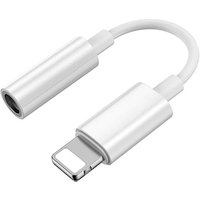
Lighting to 3.5mm Headphones Jack Adapter Aux Adapter Earbuds Headsets Converter Accessories for iphone AUX Adapter
Alibaba UK