Contents (19 sections)
Lighting plays a crucial role in the overall aesthetic and functionality of any space. It sets the mood, creates a sense of comfort, and enhances the architectural features of your home. Choosing lighting for your home isn’t merely about illumination; it's about crafting an experience. According to UFC-Que Choisir, good lighting can increase the perceived value of your home by up to 20%. Moreover, natural light exposure, combined with artificial lighting, contributes to better emotional health, as highlighted by numerous studies. Understanding the types of lighting and their effects can significantly impact the atmosphere of your rooms.
Understanding Different Types of Lighting
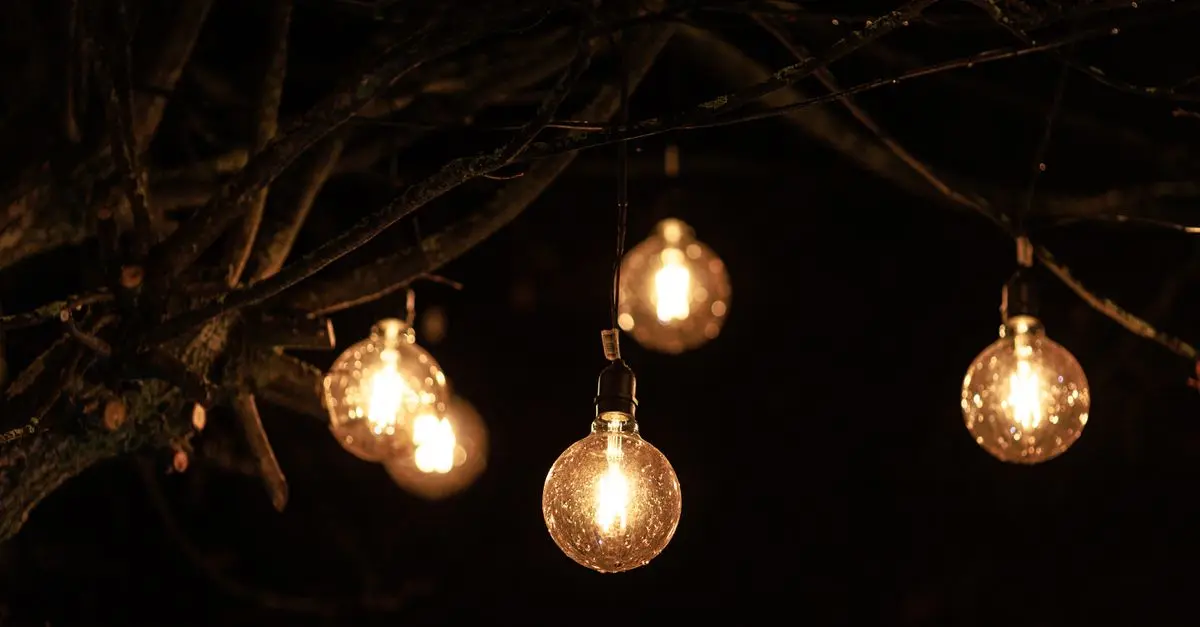
There are primarily three types of lighting to consider: ambient, task, and accent lighting. Ambient lighting provides the overall illumination and is essential for safety and navigation throughout your home. Examples of ambient lighting include ceiling fixtures, chandeliers, or wall-mounted lights. Next, task lighting is focused on specific areas where activities are carried out, such as reading lamps or under-cabinet lighting in kitchens. Finally, accent lighting highlights specific features such as artwork or architectural details, creating a visually dynamic effect. Each type serves a vital role and should be strategically implemented in each room to achieve optimal ambiance and functionality.
Steps for Choosing Lighting for Each Room
1. Assess the Room
When you begin choosing lighting for your home, the first step is to assess the purpose of each room. For instance, dining areas require a warm, inviting light, while workspaces benefit from brighter, cooler tones that promote productivity.
2. Choose the Right Style
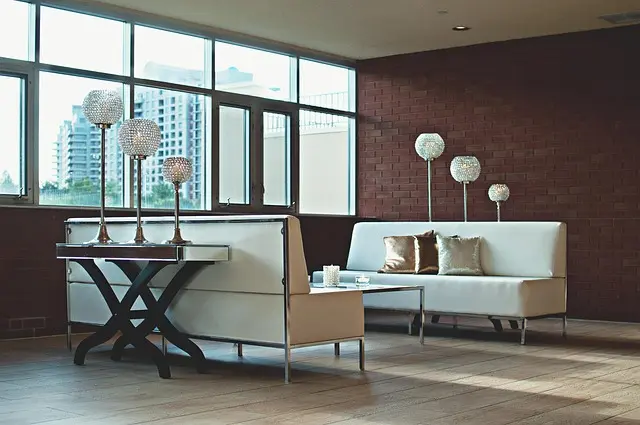
Consider the style of your home. Contemporary homes might benefit from sleek, minimalistic light fixtures, whereas traditional homes may look better with ornate chandeliers or decorative sconces. Additionally, incorporate fixtures that complement the existing décor and enhance the overall theme.
3. Think About Room Size
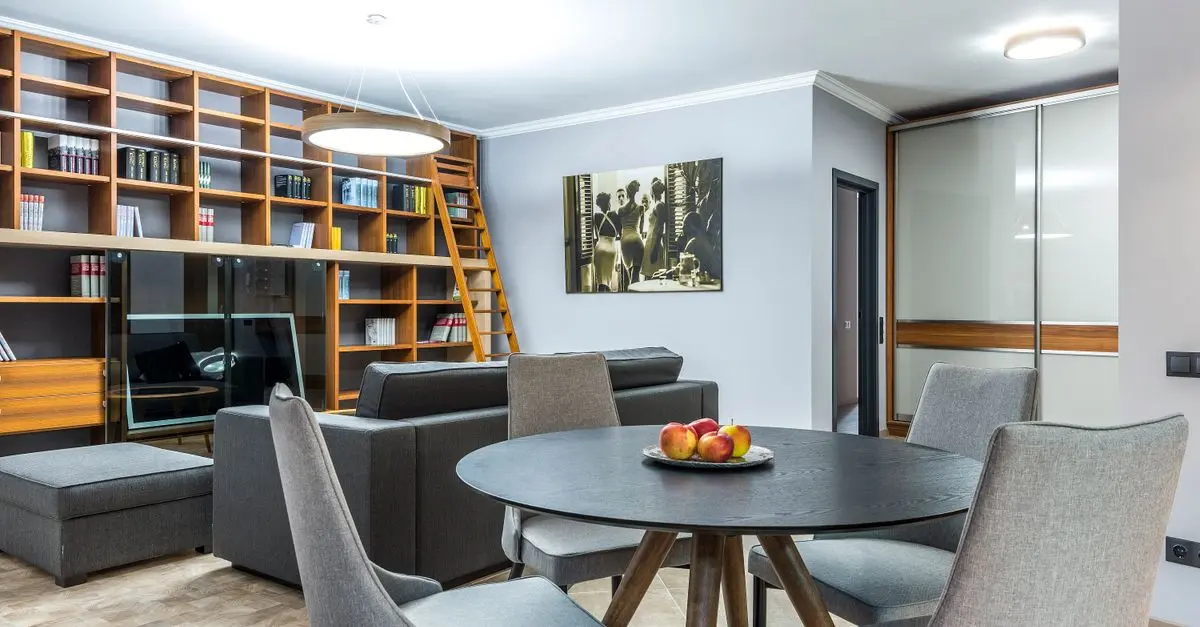
Size matters when selecting lighting. Larger rooms may require multiple light sources to eliminate dark corners, while smaller spaces can often suffice with fewer fixtures. Proper scale is essential to maintain balance and prevent lighting from overwhelming the space.
4. Layer Your Lighting
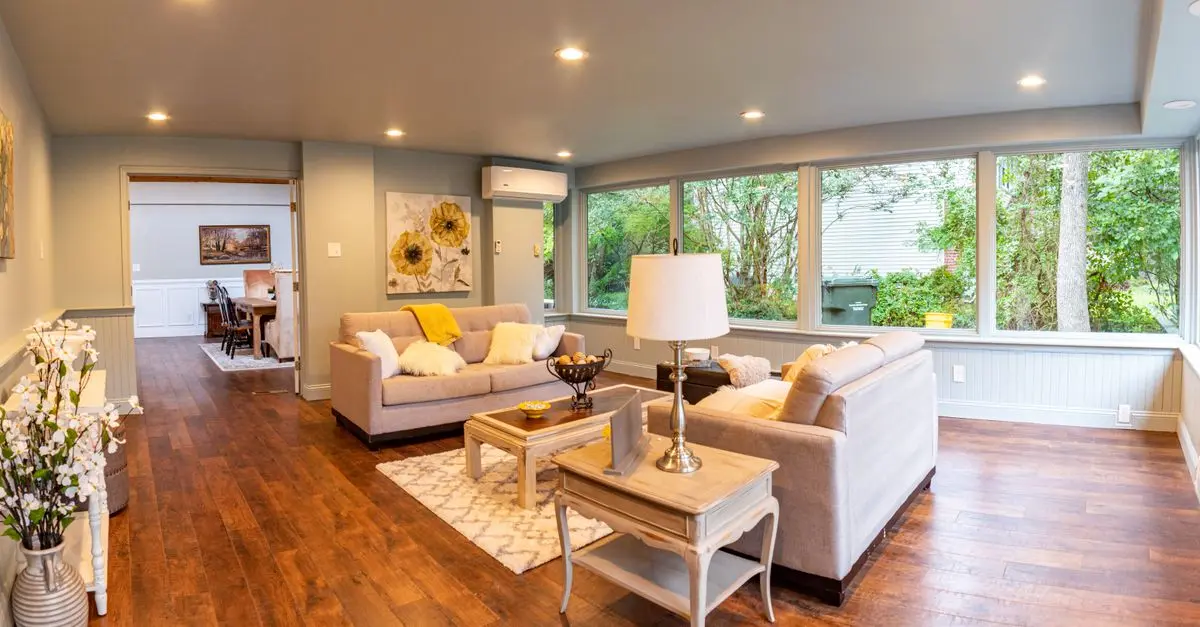
Effective lighting design involves layering different types of lighting. This approach provides versatility and adaptability for various activities and occasions. For example, combining ambient and accent lighting can create a warm, inviting atmosphere in a living room while allowing for brightness when reading or engaging in detail-oriented tasks.
5. Evaluate Natural Light
Consider the amount of natural light each space receives throughout the day. South-facing rooms tend to be brighter, possibly requiring less artificial light than north-facing rooms that are usually darker. This assessment allows for a more strategic and environmentally-friendly approach to lighting.
6. Utilize Dimmers
Incorporating dimmer switches can help adjust the brightness based on the time of day or activity, providing more control over the atmosphere. For instance, lowering the light in the evening creates a cosy ambience, while brighter settings during the daytime promote alertness and activity.


Fire Rated Downlight, GU10, Fixed - Polished Chrome Bezel, With Quick Connectors
simplelighting.co.uk

Comparison of Lighting Options
| Type of Lighting | Pros | Cons | Best Use Case |
|---|---|---|---|
| LED Bulbs | Energy-efficient, long lifespan | Higher initial cost | General and task lighting |
| Incandescent Bulbs | Warm light, affordable | Short lifespan, high energy use | Accent lighting |
| Fluorescent Bulbs | Energy-efficient | Harsh light, colour distortion | Workspaces, garages |
| Halogen Bulbs | Bright, good colour accuracy | Produces heat, less energy-efficient | Accent lighting, tasks requiring precision |
FAQs about Home Lighting
What is the best type of lighting for a living room?
The best type of lighting for a living room is a combination of ambient, task, and accent lighting to create a versatile atmosphere suitable for both relaxation and social activities.
How many light fixtures do I need for a room?
The number of light fixtures needed depends on the size of the room; typically, a good rule is 1.5 to 2 watts per square foot for general lighting.
Can I use the same light fixtures in different rooms?
Yes, you can use similar styles for cohesion across rooms, but it's essential to consider the function and lighting needs of each space.
How do I pick a light fixture?
When picking a light fixture, consider the room's style, size, necessary brightness, and whether it complements your overall interior design theme.
Checklist before purchase
- [ ] Assess each room's purpose
- [ ] Choose lighting style that fits décor
- [ ] Consider the size of the space
- [ ] Plan for layered lighting
- [ ] Evaluate natural light availability
- [ ] Decide on dimmer switches
- [ ] Research energy-efficient options
📺 Resource Video
> 📺 For further insights: Learn about the latest trends in home lighting design — search on YouTube: "latest lighting trends for homes 2026".


Glossary
| Term | Definition |
|---|
| Ambient Lighting | General lighting that fills a room with light and enables visibility.
| Task Lighting | Lighting focused on a specific area to assist with activities like reading or cooking.
| Accent Lighting | Lighting used to highlight particular features or objects in a room.
📺 Pour aller plus loin : latest lighting trends for homes 2026 sur YouTube
Recommended products
Selected by our experts


Crestron TSS-1070-W-S-LB KIT smart home central control unit White
Back to the Office


Zebra ET56 Snapdragon LTE 32 GB 21.3 cm (8.4") 4 GB Wi-Fi 5 (802.11ac) Android 10 Black
Back to the Office

Pack of 5 6w, Colour Adjustable Fire Rated Downlights, Matt Black
simplelighting.co.uk

Yidoblo AI-3000C RGB LED Video Light Dimmable 2800k-9990k 300w CRI 95 Studio Photo Lamps Metal Panel with 12 Lighting Effects
Alibaba UK