Contents (15 sections)
Choosing the right outdoor lighting is crucial for both aesthetics and safety. With numerous options available, it's easy to feel overwhelmed. This guide aims to provide you with the top ten essential tips for choosing outdoor lighting that complements your outdoor spaces while fulfilling functional needs.
1. Understand Your Lighting Needs
Before you begin selecting outdoor lighting options, it's important to identify the specific needs of your space. Consider the areas you wish to illuminate, such as pathways, patios, decks, or gardens. According to UFC-Que Choisir, proper lighting not only enhances safety but also extends the usability of your outdoor areas.
For example, pathway lights can eliminate tripping hazards, while ambient lighting can create a welcoming atmosphere for night gatherings.
2. Choose the Right Style
Outdoor lighting fixtures come in various styles, from modern and sleek to traditional or vintage. The style of your fixtures should complement the architectural design of your home and the landscaping. A cohesive look can be achieved by selecting fixtures that share a common design language. If your home has a contemporary look, opt for minimalistic LED fixtures; for a rustic setting, go for lantern-style lights.


Yidoblo AI-3000C RGB LED Video Light Dimmable 2800k-9990k 300w CRI 95 Studio Photo Lamps Metal Panel with 12 Lighting Effects
Alibaba UK

3. Consider the Brightness Level
Brightness is a critical factor in outdoor lighting. The type of bulbs you choose can impact not only the light’s intensity but also the ambiance. For ambient lighting, softer, lower-lumen bulbs are preferable. In contrast, task lighting, like spotlighting for a garden feature, requires brighter options. Generally, 100-200 lumens per fixture is a good range for pathways, whereas patios may benefit from 300-600 lumens.
4. Factor in Energy Efficiency
With increasing awareness of environmental impacts, energy-efficient lighting is a top priority. LED lights are recommended for outdoor spaces due to their longevity and low energy consumption. They use up to 80% less energy than traditional incandescent bulbs and can last for years. According to Les Numériques, switching to LED outdoor lighting can significantly reduce your electricity bill while contributing to a greener environment.
5. Plan for Lighting Zones
Creating lighting zones can enhance the functionality and aesthetics of your outdoor space. Consider different zones such as dining, relaxation, and pathways. Each zone can have a specific type of lighting tailored to its use. For example, bright task lighting is great for food prep areas, while softer ambient lighting is comforting for seating areas. This strategic approach can transform your outdoor environment into a well-structured and appealing space.
6. Use Layered Lighting Techniques
Incorporating a combination of ambient, task, and accent lighting creates a well-layered effect. Ambient lighting provides overall illumination, task lighting is for specific activities, and accent lighting highlights features like plants or architectural details. This technique not only enhances safety but also adds depth to your landscape. By layering your lighting, you ensure that your outdoor area is functional and visually appealing, allowing you to enjoy various settings throughout the evening.

Lighting to 3.5mm Headphones Jack Adapter Aux Adapter Earbuds Headsets Converter Accessories for iphone AUX Adapter
Alibaba UK
7. Don't Forget About Dimmers
Adding dimmers to your outdoor lighting system allows you to adjust the brightness according to your needs or mood. Dimmers can extend the versatility of your lighting, making it suitable for different occasions, from casual family dinners to elegant outdoor parties. By giving you control over the lighting intensity, dimmers help create the desired atmosphere, enhancing your outdoor experience.
Consider installing remote-controlled dimmers for easy adjustments, particularly when entertaining guests.
8. Incorporate Motion Sensors and Timers
Motion sensors and timers are practical additions to outdoor lighting. They ensure that your lights turn on automatically when someone approaches, enhancing security and convenience. Moreover, timers can be set to switch lights on and off at specific times, allowing you to save energy and reduce costs. They are especially effective for pathway lights and porch lights, providing a welcoming glow without needing manual control each evening.
9. Choose the Appropriate Materials
The materials of your outdoor lighting fixtures should be durable and weather-resistant. Opt for materials like stainless steel, brass, or high-quality plastic that can withstand outdoor conditions. Fixtures made with these materials tend to have longer lifespans and require less maintenance. According to 60 Millions de Consommateurs, outdoor lights should be rated for wet or damp locations to ensure safety and functionality.
10. Test Before You Invest
Before finalising your outdoor lighting choices, it's wise to test them in your space. If possible, install a few sample lights to see how they illuminate your areas and create the atmosphere you desire. Additionally, consider asking for feedback from family or friends. They can provide insights on your lighting choices that you may not have considered.
This testing phase can help avoid costly mistakes and ensure that the final setup meets your expectations.
📺 Ressource Vidéo
Pour aller plus loin : A guide to outdoor lighting tips, a comprehensive analysis of how to design effective outdoor lighting. Recherchez sur YouTube : "how to choose outdoor lighting 2026".
Glossaire
| Terme | Définition |
|---|---|
| Lumens | Unité de mesure de la lumière émise par une source. Plus il y a de lumens, plus la lumière est brillante. |
| Dimmable | Capacité d'un éclairage à ajuster son intensité lumineuse pour différents effets d'éclairage. |
| Accent Lighting | Type d'éclairage utilisé pour mettre en valeur des éléments spécifiques de l'environnement comme des sculptures ou des plantes. |
Checklist avant achat
- [ ] Identifier les besoins en éclairage
- [ ] Sélectionner un style de luminaire
- [ ] Déterminer le niveau de luminosité voulu
- [ ] Opter pour des options écoénergétiques
- [ ] Planifier les zones d'éclairage
- [ ] Appliquer des techniques d'éclairage en couches
- [ ] Installer des variateurs si nécessaire
- [ ] Inclure des capteurs de mouvement et des minuteries
- [ ] Choisir des matériaux durables
- [ ] Tester les lumières avant l'achat
📺 Pour aller plus loin : how to choose outdoor lighting 2026 sur YouTube
Recommended products
Selected by our experts

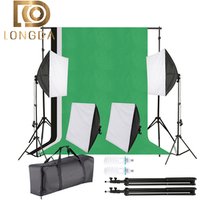
Absorb light good widely used softbox for photography studio lighting kit with background
Alibaba UK