Contents (9 sections)
Creating the perfect atmosphere in your home often starts with the right lighting. Layering lighting is a technique that allows you to combine different types of light sources to enhance the aesthetics and functionality of any room. In this article, we'll explore top tips for effective layering lighting that will make your home not just well-lit, but a truly inviting space.
1. Understand the Different Types of Lighting
Types of light sources are generally divided into three categories: ambient, task, and accent lighting. Ambient lighting provides overall illumination for a room, typically from ceiling fixtures or wall-mounted lights. This is your primary light source when entering a space. On the other hand, task lighting focuses on specific areas where activities require additional light, such as reading lamps or under-cabinet lights in kitchens. Finally, accent lighting creates visual interest, highlighting artwork or architectural features.
Understanding these types allows you to balance illumination levels effectively, creating a layered effect that brings both functionality and beauty to your home. For instance, combining a central ceiling fixture with stylish table lamps and wall sconces can give your living room an inviting glow. By manipulating these elements, you can transform the mood of your environment effortlessly.
2. Plan Your Lighting Layout
Before purchasing new lighting fixtures, it's crucial to evaluate your current layout. Take the time to sketch your room and note where natural light enters, as well as where shadows might fall. This insight will guide you in planning where to position your lights. For ultimate flexibility, consider dimmer switches to adjust brightness levels according to the time of day and activity, ensuring your lighting complements your needs across different occasions.
Next, map out your lighting categories across the room. For example, in a home office setup, ensure adequate task lighting over your desk while maintaining ambient light from ceiling fixtures. Strive to achieve a harmonious balance that caters to visual comfort and enhances the aesthetic appeal of the space.


3. Layering Techniques for Different Spaces
When layering lighting, different rooms can benefit from unique approaches. In the living room, consider a mix of floor lamps, table lamps, and wall lights to create warm pockets of light. Using three-way bulbs can also allow you to easily change light intensity.
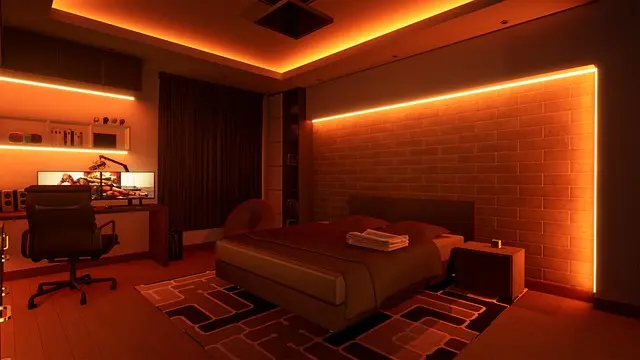
In the kitchen, bright task lighting over workspaces is essential. Incorporate under-counter lights to illuminate your countertops without harsh shadows. For the bedroom, opt for softer ambient lighting from ceiling fixtures paired with bedside table lamps or wall sconces that offer reading light without being intrusive.
Understanding the specific needs of each room will help you optimise lighting designs, creating spaces that are both functional and relaxing.
4. Consider the Colour Temperature
When selecting bulbs, the colour temperature plays a significant role in achieving the right atmosphere. Measured in Kelvin (K), warmer lights are around 2700K-3000K, promoting a cosy and intimate environment, perfect for bedrooms and living areas. In contrast, cooler lights ranging from 4000K-5000K are advantageous in workspaces, helping to enhance focus and productivity.
A good practice is to use a mix across different layers — warm whites for ambient and accent lighting, and cooler tones for task lighting. This way, you create a versatile lighting atmosphere that can change with the time of day or your activity, encouraging an environment where you feel both relaxed and motivated.
5. Experiment with Dimmers and Smart Lighting
The advancement in smart lighting technology offers new ways to control how lighting is layered and used in our homes. Installing smart bulbs or dimmers can significantly enhance your home's lighting setup. Dimmers allow control over brightness levels throughout the day, making it easier to set the perfect mood for any occasion.
Furthermore, smart lighting systems can be programmed to change colours and brightness based on your routine. For instance, you can set soothing tones for the evening and bright, energising lights for the morning. This technology provides the ultimate flexibility, allowing you to tailor the lighting experience to suit your daily activities and preferences.
Checklist before Installation
- [ ] Determine the desired ambiance for each room.
- [ ] Choose the right mix of ambient, task, and accent lighting.
- [ ] Evaluate existing natural light sources.
- [ ] Employ dimmer switches for versatile control.
- [ ] Select appropriate colour temperatures for different areas.
By following these top tips for layering lighting, you'll create a stunning, well-lit home that is both practical and inviting. Don’t hesitate to explore our recommendations below to find the best products that suit your needs.
Glossaire
| Terme | Définition |
|---|
| Ambient Light | La lumière générale qui illumine une pièce, souvent fournie par des plafonniers.
| Task Lighting | Éclairage ciblé permettant d’effectuer des tâches précises, comme la lecture ou la cuisine.
| Accent Lighting | Éclairage qui met en valeur des objets spécifiques, comme des œuvres d'art ou des décorations.
📺 Pour aller plus loin : Explore innovative lighting solutions, une analyse complète de techniques de mise en lumière. Recherchez sur YouTube : "layering lighting ideas for home 2026".
📺 Pour aller plus loin : layering lighting ideas for home 2026 sur YouTube
Recommended products
Selected by our experts
Giardini Di Toscana Layering Kit Eau De Parfum Spray 40ml
Beauty The Shop FR
This layering kit adds a unique fragrance element to your home, enhancing the overall ambience.
Angels' Share Layering Coffret 2 Produits
Beauty The Shop FR
A delightful set perfect for creating an inviting atmosphere with layered scents around your living spaces.
Tim Holtz Stampers Anonymous Mini Layering Stencil Set #56
go-craft.co.uk
Consider these mini stencils as a creative way to enhance decor through layered artistic designs.