Contents (12 sections)
In an age where sustainability is crucial, choosing eco-friendly lighting solutions is more than just a trend — it’s a necessity. With the increasing awareness of environmental issues, individuals and businesses alike are seeking ways to reduce their carbon footprint. Eco-friendly lighting not only helps the planet but can also save on energy bills.
This article explores top tips for selecting sustainable lighting options that benefit both your home and the environment.
1. Understand Energy Efficiency Ratings
When shopping for eco-friendly lighting, it's essential to pay attention to energy efficiency ratings. Products are typically rated according to their energy consumption, which indicates how much electricity they use compared to the amount of light they produce. Look for bulbs that are labelled with high ratings such as A or A+ in the European energy label system. LEDs are an excellent choice as they consume up to 80% less energy than traditional incandescent bulbs and last significantly longer, making them both eco-friendly and economical. According to ADEME, switching to LEDs not only cuts energy use but also reduces greenhouse gas emissions, supporting global efforts against climate change.
2. Assess the Lifespan of Lighting Products
Another critical factor to consider when choosing eco-friendly lighting solutions is the lifespan of the products. Longer-lasting bulbs such as LEDs and CFLs require fewer replacements, which means less waste in landfills. For example, while a traditional incandescent bulb typically lasts around 1,000 hours, an LED bulb can last more than 25,000 hours. This durability results in fewer resources being used to produce new bulbs and reduces the environmental impact associated with frequent replacements.
Additionally, consider products that are designed to be easily recyclable at the end of their life cycle. This not only prevents waste but promotes a more sustainable approach to consumption.


3. Opt for Natural Light Whenever Possible
Maximising natural light in your home or workspace is an excellent strategy for eco-friendly lighting. Not only does natural light save energy by reducing the need for artificial lighting during the day, but it also has numerous health benefits. Studies indicate that exposure to natural light can improve mood, productivity, and overall well-being. To maximise natural lighting, consider using lighter colour palettes in your interior design to reflect more light, installing skylights, or keeping existing windows clean to enhance brightness.
4. Choose the Right Colour Temperature
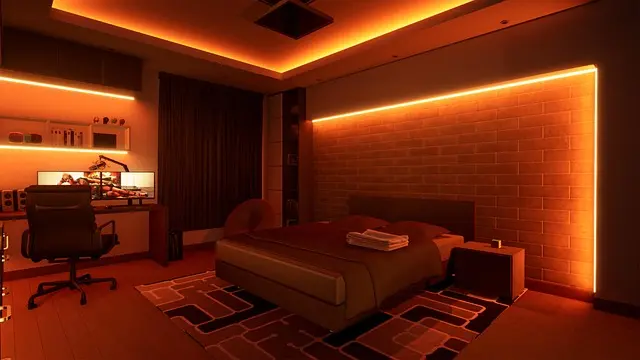
The colour temperature of lighting impacts both aesthetics and energy use. Measured in Kelvins, lower temperatures (around 2700K) give a warm, yellowish light, while higher temperatures (5000K and above) provide a cool, bluish light. For living spaces, opt for warmer lights to create a cosy environment, while cooler lights are often better for workspaces to enhance concentration. Selecting the appropriate colour temperature can lead to better energy efficiency, especially when combined with smart lighting systems that can adjust the colour and intensity based on the time of day or occupancy.
5. Consider Smart Lighting Solutions
Smart lighting solutions are an excellent choice for those looking to optimize their energy use and reduce waste. These systems allow users to control their lighting remotely via smartphone apps or voice commands, enabling you to turn off lights that are not in use. Additionally, you can set schedules or utilise motion sensors that automatically adjust lighting based on occupancy. According to a report from UFC-Que Choisir, using smart technology can lead to up to a 30% reduction in energy consumption, making it a more sustainable choice for eco-conscious consumers.
6. Look Out for Eco-Certifications
When selecting lighting solutions, look for products that have been certified by recognised environmental standards. Certifications such as ENERGY STAR or the European Ecolabel are indicators that a product meets high environmental standards. These certifications can help you make informed decisions about eco-friendly lighting, ensuring you choose products that not only perform well but also adhere to strict sustainability criteria.
7. Explore Solar Lighting Options
Solar-powered lighting is another innovative eco-friendly solution. These products harness solar energy, reducing reliance on electricity from fossil fuels. Solar garden lights and outdoor path lights are increasingly popular, allowing you to illuminate outdoor spaces without increasing your electricity bills. Furthermore, utilising solar energy reduces your household’s carbon footprint significantly. According to research by Greenpeace, increasing solar energy usage could lead to a 40% reduction in greenhouse gas emissions by 2040.
8. Invest in Quality over Quantity
Investing in higher-quality lighting solutions may seem costly initially; however, it pays off in the long run. Quality products often last longer and perform better, reducing the need for replacements and lower energy consumption. Look for reviews, ask for recommendations, and consider trusted brands known for sustainable practices. This approach can lead to significant long-term savings and a smaller environmental impact.
Conclusion
Choosing eco-friendly lighting solutions requires careful consideration but can have substantial benefits for the environment. In summary, take into account energy efficiency ratings, the lifespan of products, and the importance of natural light. Smart lighting, certifications, and solar options further enhance your sustainable choices. Remember: investing in quality over quantity will save you money and reduce energy usage.
Checklist Before Purchase
- [ ] Check the energy efficiency rating.
- [ ] Assess the lifespan of the lighting product.
- [ ] Maximise natural light in your space.
- [ ] Choose the correct colour temperature.
- [ ] Investigate smart lighting options.
- [ ] Look for eco-certifications.
- [ ] Consider solar lighting solutions.
- [ ] Invest in quality products.
Glossary
| Terme | Définition |
|---|---|
| LED | Une technologie lumineuse qui utilise des diodes pour produire de la lumière de manière économe en énergie. |
| CFL | Lampe fluorescente compacte, une alternative plus économique et durable aux ampoules incandescentes. |
| Smart Lighting | Technologie permettant de contrôler les lumières à distance, optimisant ainsi l'usage de l'énergie.
📺 Pour aller plus loin : how to choose eco-friendly lighting solutions 2026 sur YouTube
Recommended products
Selected by our experts
Jeu de construction EcoFriendly Supercolor 78 pièces
Darty FR
This construction game promotes eco-friendly practices, suitable for families interested in sustainability.
Jeu de construction EcoFriendly Supercolor 35 pièces
Darty FR
A smaller eco-friendly construction set ideal for younger children to learn about sustainability.
Jeu de construction EcoFriendly Supercolor 52 pièces
Darty FR
An eco-friendly construction set with a moderate piece count, perfect for encouraging creative construction.