Contents (12 sections)
In any living room, the right lighting can make a world of difference. It sets the mood, enhances decor, and provides practical illumination for various activities. Whether you're entertaining guests or enjoying a quiet evening, understanding how to effectively layer lighting can elevate your living environment.
In this article, we'll explore top tips for choosing the ideal living room lighting to ensure your space is not only stylish but also functional.
1. Understand the Importance of Layering Light
Layering light involves combining different types of lighting—ambient, task, and accent—to create a well-lit and dynamic space. Ambient lighting provides the overall illumination, while task lighting focuses on specific areas for reading, hobbies, or other tasks. Accent lighting adds decorative elements and highlights artwork or architectural features. According to interior design experts, a well-layered approach allows you to adjust the ambiance based on the time of day or activity, ensuring your living room is versatile and inviting.
2. Choose the Right Bulb Type
The type of bulb you choose for your living room lighting can significantly impact the atmosphere. LED bulbs are energy-efficient and long-lasting, available in various shades of white from warm to cool. Incandescent bulbs provide a soft, warm glow that many people find appealing, although they consume more energy and have a shorter lifespan. CFLs (Compact Fluorescent Lamps) are another option, offering energy efficiency but often lacking the warmth of incandescent lights. When selecting bulbs, consider your preferences for brightness and warmth to achieve your desired ambience.
3. Consider Natural Light Sources
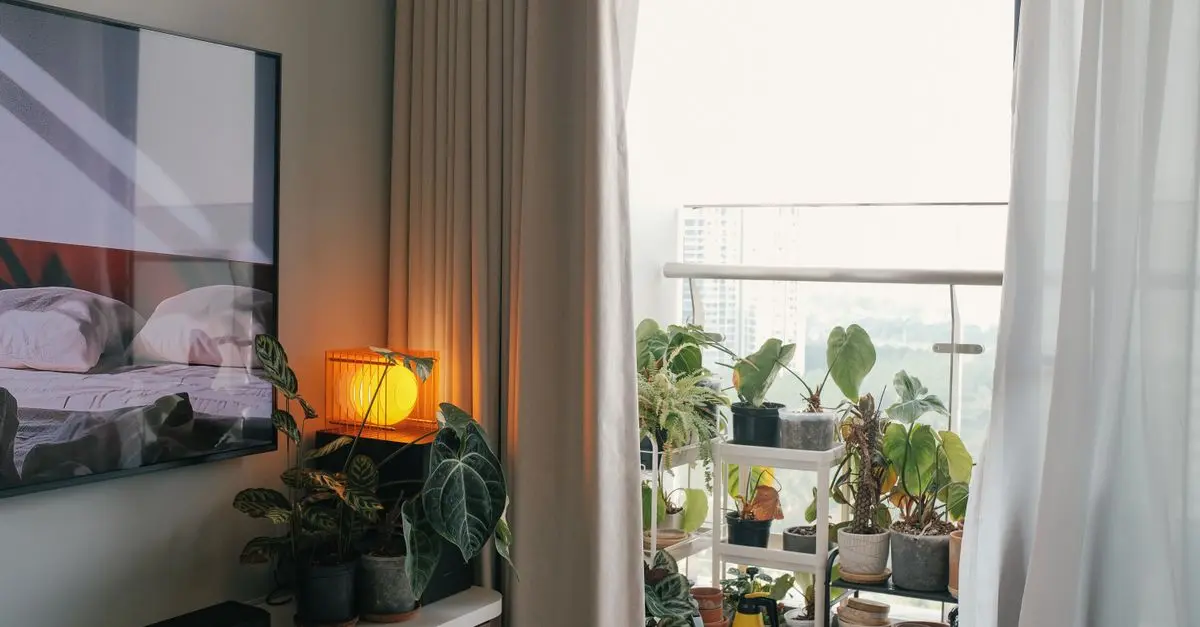
Maximising natural light is essential when selecting your lighting scheme. Observe how sunlight enters your living room at different times of the day and how it interacts with your décor. Use sheer curtains to allow daylight to filter in or mirrors to reflect light and create the illusion of a brighter space. Furthermore, positioning reflective surfaces strategically can amplify natural light, reducing the need for artificial illumination during the day.
4. Define Zones with Lighting
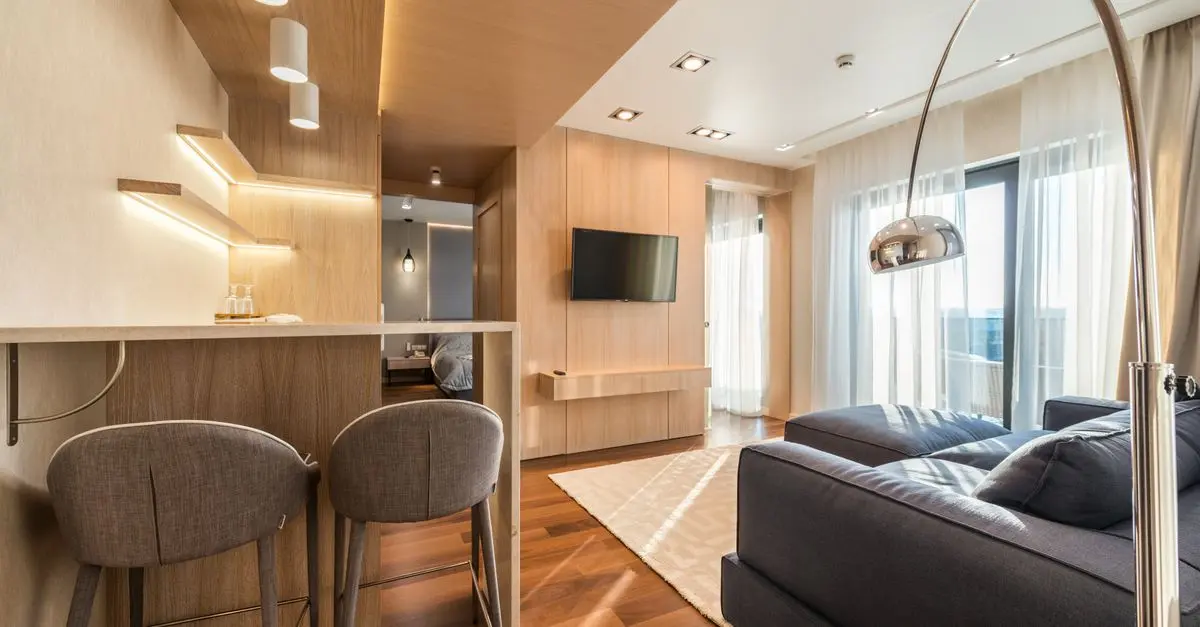
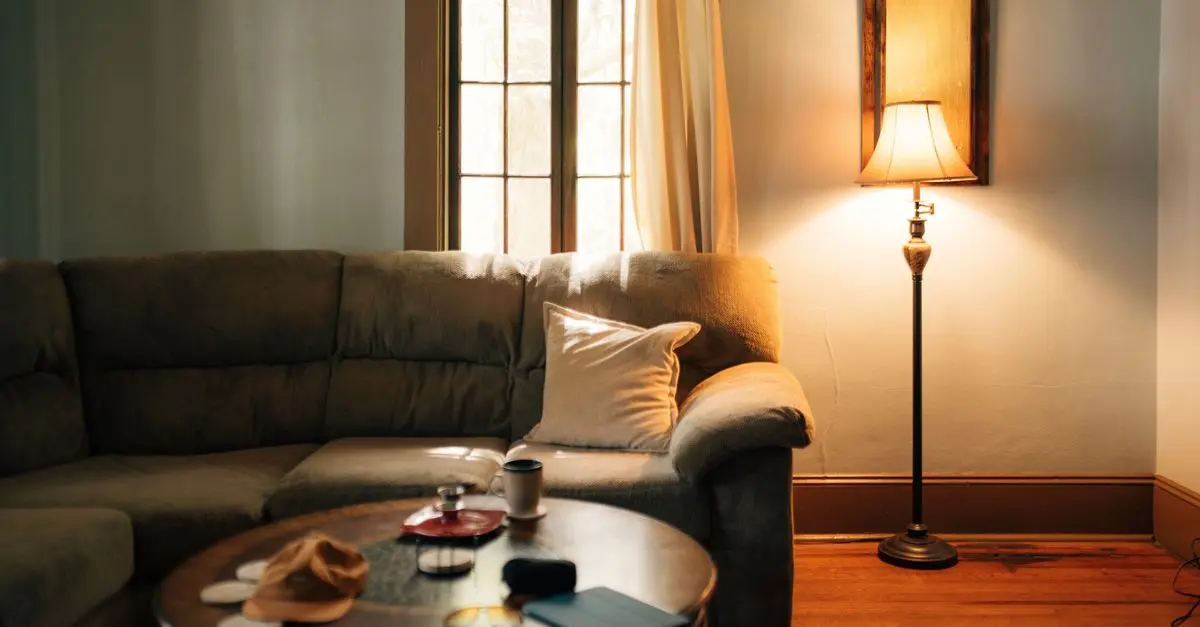
In spacious living rooms, defining zones with lighting can create distinct areas for relaxation, work, and entertainment. For instance, position a floor lamp beside a reading chair to establish a cosy nook, while pendant lights over a coffee table can set the scene for gatherings. By strategically placing different light sources, you can integrate functionality and aesthetic appeal, ensuring each area serves its purpose effectively.
5. Keep Scale and Proportion in Mind
When selecting light fixtures, scale and proportion are vital considerations. Overly large fixtures can overwhelm a small space, while tiny accents may appear lost in a vast room. Use the rule of thumb: for general lighting, the bottom of the fixture should be about 30 to 36 inches above the surface of tables to create an inviting atmosphere. This attention to scale ensures that your lighting complements the overall design rather than detracting from it.
6. Embrace Smart Lighting Solutions
Smart lighting solutions provide flexibility and convenience that traditional fixtures can't match. Smart bulbs allow for adjustments in brightness and colour temperature via a mobile app or voice command. Some systems can even sync with your daily routines, automatically adjusting lighting based on your preferences. Investing in smart technology can make your living room adaptable and elevate the user experience.
7. Mix and Match Lighting Styles
Creating a cohesive look doesn’t mean you should limit yourself to a single lighting style. Mixing and matching can add personality and charm to your space. Combine modern pendant lights with traditional floor lamps or blend minimalist fixtures with vintage sconces for an eclectic feel. When combining different styles, keep to a unified colour palette to ensure a harmonious appearance.
8. Reflect Your Personal Style
Your choice of lighting should reflect your personality and complement the overall decor of your living room. From sleek modern designs to rustic fixtures, the options are limitless. Consider statement pieces that can act as conversation starters and personal expressions, be it through unique shapes or colours. Remember, your living room lighting should tell your story.
📺 For additional insights:
Check out the video on YouTube: Essential Lighting Tips for Every Living Room, which explores more about selecting the right lighting. Search for 'essential living room lighting 2026'.
Checklist before Purchasing
- [ ] Determine the purpose of your living room spaces
- [ ] Explore ambient, task, and accent lighting options
- [ ] Evaluate natural light sources throughout the day
- [ ] Measure your space to ensure appropriate scale of fixtures
- [ ] Consider smart lighting for convenience and adaptability
- [ ] Reflect personal style in lighting choices
- [ ] Mix and match fixtures while maintaining a cohesive look
Glossary
| Terme | Définition |
|---|---|
| Ambient Lighting | General illumination that fills a room's overall space. |
| Accent Lighting | Lighting that highlights specific features or objects. |
| Task Lighting | Focused lighting for specific tasks, such as reading. |
> 🧠 Quick Quiz: What type of lighting does not provide focused illumination?
> - A) Ambient Lighting
> - B) Task Lighting
> - C) Accent Lighting
> Answer: A — Ambient lighting is designed for general illumination, lacking focus.
📺 Pour aller plus loin : essential living room lighting 2026 sur YouTube