Contents (14 sections)
Sustainable lighting trends have become increasingly relevant as homeowners seek to reduce their environmental footprint. With advancements in technology and a growing awareness of energy usage, these trends provide not only aesthetic benefits but also practical solutions to promote energy efficiency and sustainability. In this article, we will explore the leading trends in sustainable lighting for 2026 that cater to eco-conscious homes.
1. Smart Lighting Systems
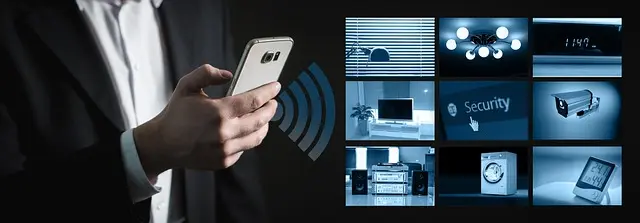
Smart lighting systems have revolutionised the way we interact with our home environments. These systems allow homeowners to control their lights remotely via smartphones or voice-activated devices, enhancing convenience and efficiency. A 2025 study from UFC-Que Choisir indicated that households integrating smart lighting systems reduced their energy consumption by an average of 30%. This is largely due to features like scheduling and remote control that prevent wasted energy. By investing in smart lighting, homeowners not only benefit from lower electricity bills but also contribute to an overall reduction in carbon emissions.
2. LED Innovation
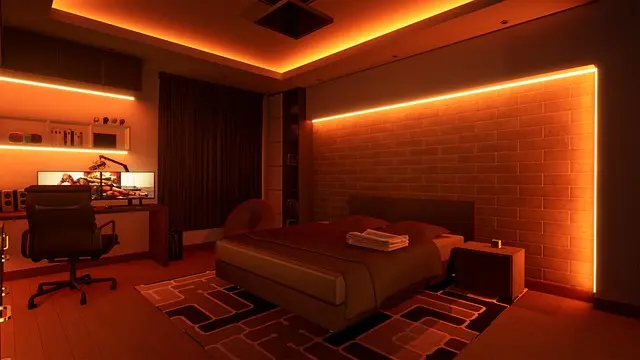
The transition from conventional lighting to LED technology continues to gain momentum, thanks to advancements that make LEDs even more efficient. In 2026, new LED systems boast extended lifespans and enhanced performance, reducing the need for frequent replacements. According to figures from Les Numériques, LED lighting can last up to 50,000 hours, compared to only 1,000 hours for traditional incandescent bulbs. With a significantly lower energy demand, LEDs are a vital component of sustainable homes. Additionally, their versatility allows for creative designs and applications, from ornate fixtures to sleek downlights.


Techair TAECV007 Sustainable style for 11.6" laptops and Chromebooks. Made from recycled bottles, the Eco Sleeve pairs eco-friendly design with
Back to the Office
3. Solar-Powered Lighting
Solar-powered lighting solutions are becoming increasingly mainstream as technology improves and costs decrease. These systems harness sunlight, converting it into usable energy for outdoor spaces. In cities across the UK, solar street lighting has shown a notable reduction in carbon emissions—up to 40% according to recent data from ADEME. Homeowners can utilise solar garden lights or solar-powered floodlights to enhance visibility and safety while maintaining an eco-friendly approach. As the awareness of renewable energy grows, these solutions are expected to dominate the market.
4. Biophilic Design Integration
Biophilic design, which connects indoor spaces to the natural environment, is gaining prominence in lighting design. This approach not only enhances aesthetic appeal but also improves psychological well-being. Integrating design elements such as natural light and organic materials can create a more calming home environment. Products like skylights or strategically placed windows can maximise natural light entry. Furthermore, the implementation of light fixtures made from sustainable materials aligns with eco-conscious principles. According to a 2025 study by 60 Millions de Consommateurs, environments designed with biophilic elements have been associated with increased productivity and lower stress levels among inhabitants.
5. Energy-Efficient Filament Bulbs
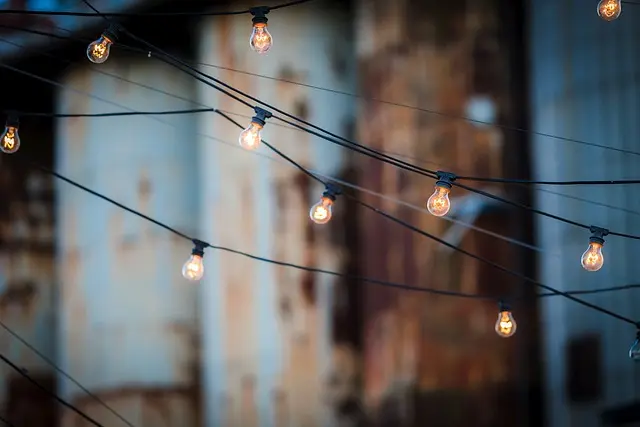
The evolution of filament bulbs has opened new doors for sustainable lighting solutions. Modern energy-efficient filament bulbs combine vintage aesthetics with advanced technology, ensuring lower energy consumption without sacrificing style. Dimming capabilities also allow for flexible usage, contributing to energy savings. Reports suggest that filament bulbs use 75% less energy than traditional incandescent bulbs, making them an attractive option for those desiring a retro look in a sustainable package. Consumers are increasingly drawn to these options as they seek to balance aesthetics and environmental responsibility.
6. Smart Control Systems
Integrating smart control systems with lighting is now standard in new builds and renovations. These systems adapt the lighting based on occupancy and natural light availability. As such, these systems are optimizing energy use while providing comfort. Dwellings that adopt these smart controls are reported to decrease energy expenditures significantly. According to data from a recent UK government study, homes equipped with smart lighting systems can achieve savings of up to £100 annually on electricity bills.
7. Recycled Materials in Lighting Fixtures
The trend towards sustainability has led many manufacturers to explore recycled materials in their products. Lighting fixtures are being designed from reclaimed woods, metals, and plastics, which effectively reduces waste in landfills. This not only supports environmental sustainability but also adds unique character to lighting designs. Consumers are increasingly interested in products that tell a story or convey a commitment to ecological responsibility, as confirmed in surveys conducted by Sources comme UFC-Que Choisir.
8. Human-Centric Lighting
Finally, human-centric lighting (HCL) focuses on the impact of light on human wellbeing. This ethos encompasses designing lighting spaces that can adapt to different times of the day, aligning light quality and intensity with natural circadian rhythms. Evidence from studies indicates that HCL can enhance performance, mood, and alertness. As more research supports the health benefits of this approach, it's likely to become a cornerstone in sustainable building practices.
Conclusion
As we move deeper into 2026, these sustainable lighting trends reveal a clear shift towards more responsible and innovative solutions. By embracing these practices, homeowners can enrich their living environments while simultaneously contributing to a healthier planet. For those looking to upgrade or enhance their home lighting, we have selected several products adapted to modern sustainable needs below.
📺 Ressource Vidéo
> 📺 Pour aller plus loin : Explorez la tendance de l'éclairage durable pour 2026, une analyse complète de l'évolution de l'éclairage éco-responsable. Recherchez sur YouTube : sustainable lighting trends 2026.
Glossaire
| Terme | Définition |
|---|---|
| Biophilic Design | Un design qui cherche à intégrer des éléments de la nature dans les espaces bâtis. |
| HCL | Human-Centric Lighting, un éclairage qui s'adapte aux besoins humains et à leur cyclicalité. |
| Smart Lighting | Éclairage qui utilise la technologie pour un contrôle amélioré et une efficacité énergétique accrue. |
Checklist avant achat
- [ ] Vérifiez les spécifications énergétiques des lampes.
- [ ] Comparez les fonctionnalités des systèmes d'éclairage intelligent.
- [ ] Assurez-vous que les matériaux soient durables et recyclés.
- [ ] Évaluez l'intégration du design biophilic dans vos choix.
- [ ] Consultez des avis d'experts sur la santé des solutions d'éclairage.
📺 Pour aller plus loin : sustainable lighting trends 2026 sur YouTube
Recommended products
Selected by our experts
Hahnemühle Sustainable Photo Satin 220 White
Back to the Office
This product is a great choice for enhancing your eco-friendly home lighting setup.
MSI MPG B850 EDGE TI WIFI motherboard AMD B850 Socket AM5 ATX
Back to the Office
Perfect for those looking to invest in sustainable technologies for their lighting solutions.
Techair TAECV007 Sustainable style for 11.6" laptops and Chromebooks. Made from recycled bottles, the Eco Sleeve pairs eco-friendly design with
Back to the Office
A noteworthy product made from recycled materials, ideal for eco-conscious consumers.