Contents (10 sections)
Garden lighting is an essential element for enhancing outdoor spaces, ensuring both functionality and aesthetics. Proper lighting serves multiple purposes: it provides safety and security, highlights architectural features, and creates ambience for evening enjoyment. According to a study by 60 Millions de Consommateurs, well-placed lighting can increase the perceived value of your property by up to 20%. Furthermore, effective garden lighting can encourage outdoor gatherings as it extends usability beyond daylight hours. This guide will walk you through the essential steps to select the perfect lighting for your garden while ensuring it meets your needs and complements the landscape.
Step 1: Assess Your Garden's Needs
Before diving into product specifications or design aesthetics, it's critical to assess your garden’s unique needs. Take a moment to consider how you use your garden: Is it primarily a relaxation spot, a play area for children, or perhaps space for evening entertaining? The intended use will dictate the type and placement of lights you need.
For example, if you plan on hosting frequent evening barbecues, you may opt for bright, functional lighting that enhances visibility. In contrast, if your goal is to create a soothing environment for summer nights filled with stargazing or intimate gatherings, consider softer, ambient lights. Additionally, evaluate the existing features in your garden—paths, flower beds, or decorative elements—as these can be highlighted or accentuated with the right lighting.
Step 2: Choose the Right Type of Lighting
Understanding the different types of garden lighting available will allow you to make informed decisions. Here are the main categories:
- Pathway Lights: Ideal for illuminating paths and guiding guests through your garden safely.
- Spotlights & Floodlights: Suitable for highlighting features such as trees, sculptures, or water features, providing dramatic effects at night.
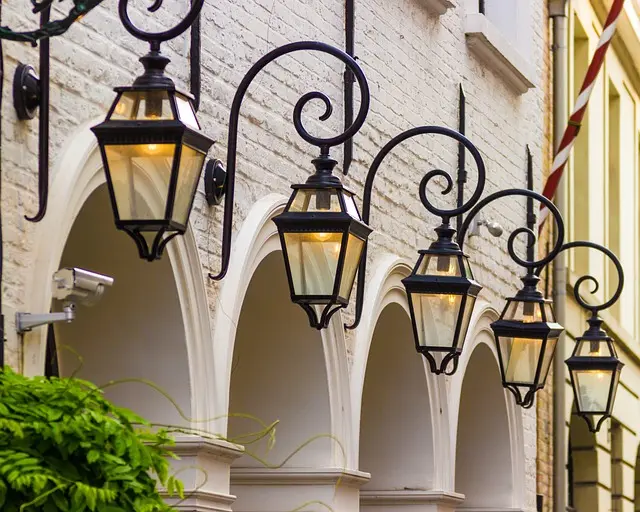
- Wall Lights: Perfect for adding style to walls and fences while ensuring safety in outdoor areas.
- String Lights: Great for adding a whimsical touch and inviting atmosphere for gatherings.
According to ADEME, outdoor lighting should be functional yet stylish, suitable for the atmosphere and use of your garden. We recommend assessing the light output needs based on your garden's size and requirements.

Philips Hue White and colour ambience Amarant linear outdoor light
Back to the Office

Innr Lighting OPL 130 C /05 outdoor lighting Outdoor pedestal/post lighting LED 4.7 W G
Back to the Office

Step 3: Select the Right Bulbs
The choice of bulbs plays a crucial role in the overall effectiveness of your garden lighting. Consider three main types:
- LED Bulbs: Highly energy-efficient and long-lasting, making them a cost-effective option over time.
- Halogen Bulbs: Offer bright, white light and are suitable for spaces requiring enhanced illumination.
- Solar-Powered Bulbs: Eco-friendly and great for areas without easily accessible power sources. However, they may not perform well in shaded areas.
When selecting bulbs, it's essential also to consider the colour temperature, usually measured in Kelvins (K). For example, warm white light (around 2700K) creates a cosy atmosphere, whilst cooler temperatures (4000K or above) provide a more clinical, modern feel.
Step 4: Plan Your Layout
Mapping out your garden lighting layout is a fun and creative step. Use graph paper or digital design tools to sketch your garden. Start by marking key features you wish to illuminate, followed by pathways and areas where additional light is needed.
Common pitfalls include overcrowding lights, which can lead to a harsh, uninviting atmosphere, or placing them too far apart, resulting in dark spots. A good rule of thumb is to space your pathway lights around 6-8 feet apart and ensure that all areas are adequately lit without creating bright hot spots. Experiment with different placements before finalising your setup to achieve the desired effect.
Step 5: Installation Considerations
When it comes to installation, you have two main options: professional installation, which ensures that everything is done correctly, or a DIY approach that can save money and allow for personal touches. If opting for DIY, ensure you follow safety protocols, particularly when dealing with electrical lights.
Review local regulations and, if necessary, consult an electrician, especially if running wires is involved. According to the INSEE, improper installation can pose safety risks, thus it's essential to prioritise safety while working on your garden lighting project.
Step 6: Maintenance and Upkeep
After setting up your garden lighting, maintenance becomes an essential aspect to ensure longevity and functionality. Regularly check bulbs and fixtures for wear and tear, clean lenses to keep lights bright, and adjust settings for seasonal changes. Familiarise yourself with the switch settings to make use of timers or smart controls, which also enhance energy efficiency.
Moreover, keep an eye on solar lights as they require regular cleaning for optimal performance. UFC-Que Choisir recommends setting aside a seasonal schedule for maintenance to keep your garden looking its best.


Checklist before Buying
- [ ] Assess the intended use of your garden.
- [ ] Determine which type of lighting fixtures fit your needs.
- [ ] Choose appropriate bulb types and ensure you have the correct colour temperature.
- [ ] Plan a layout that maintains an inviting atmosphere.
- [ ] Decide between professional installation versus DIY.
- [ ] Establish a maintenance routine to prolong the life of your lighting system.
Glossary
| Terme | Définition |
|---|---|
| Kelvin (K) | Mesure de la température de couleur de la lumière. |
| LED | Diode électroluminescente, lumière écoénergétique. |
| Lumens | Unité mesure de la quantité de lumière émise. |
📺 Ressource Vidéo
> Explore garden lighting ideas for your outdoor space. Search on YouTube: "garden lighting ideas 2026".
🧠 Quiz rapide : What is the best type of light for pathways?
- A) LED
- B) Halogen
- C) Solar
Réponse : A — LEDs are energy-efficient and long-lasting, making them ideal for pathways.
📺 Pour aller plus loin : garden lighting ideas 2026 sur YouTube
Recommended products
Selected by our experts


Philips Hue White and colour ambience Amarant linear outdoor light
Back to the Office