Contents (16 sections)
In today's world, understanding different types of light bulbs is essential for making informed choices about lighting in our homes and workplaces. With advancements in technology, the variety of available options has expanded, offering diverse benefits including energy efficiency, longevity, and aesthetics. This guide aims to clarify the various types of light bulbs, their functions, and when it is best to use each.
Types of Light Bulbs
When discussing types of light bulbs, we can categorise them primarily into three main types: incandescent, fluorescent, and LED. Each of these types has unique characteristics that suit different applications.
Incandescent Bulbs
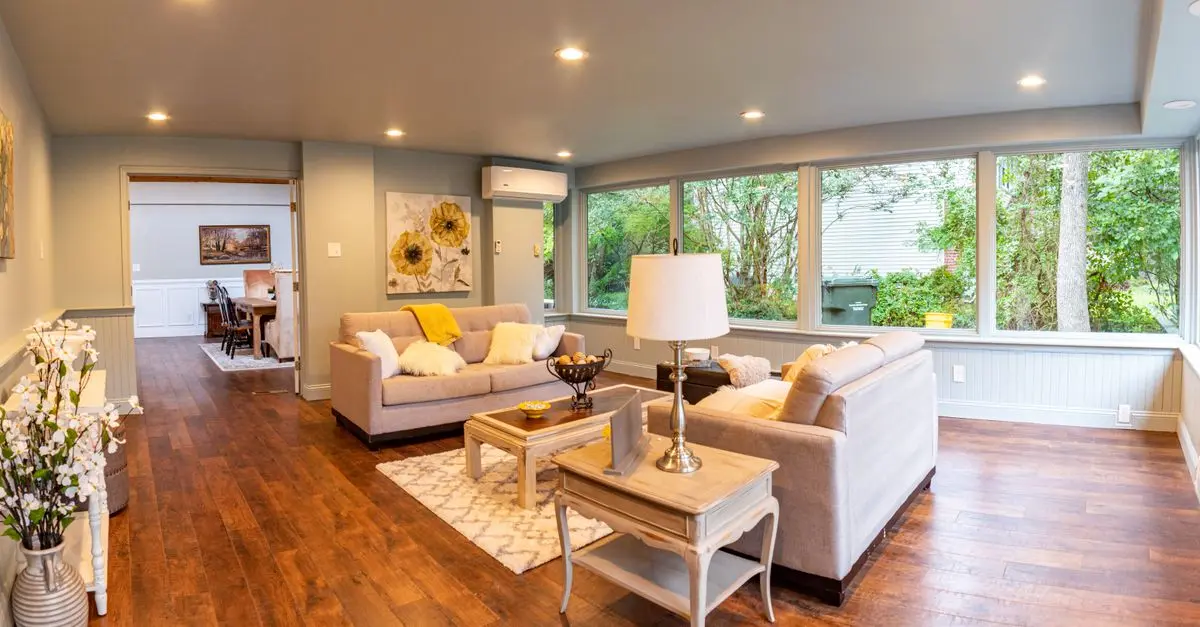
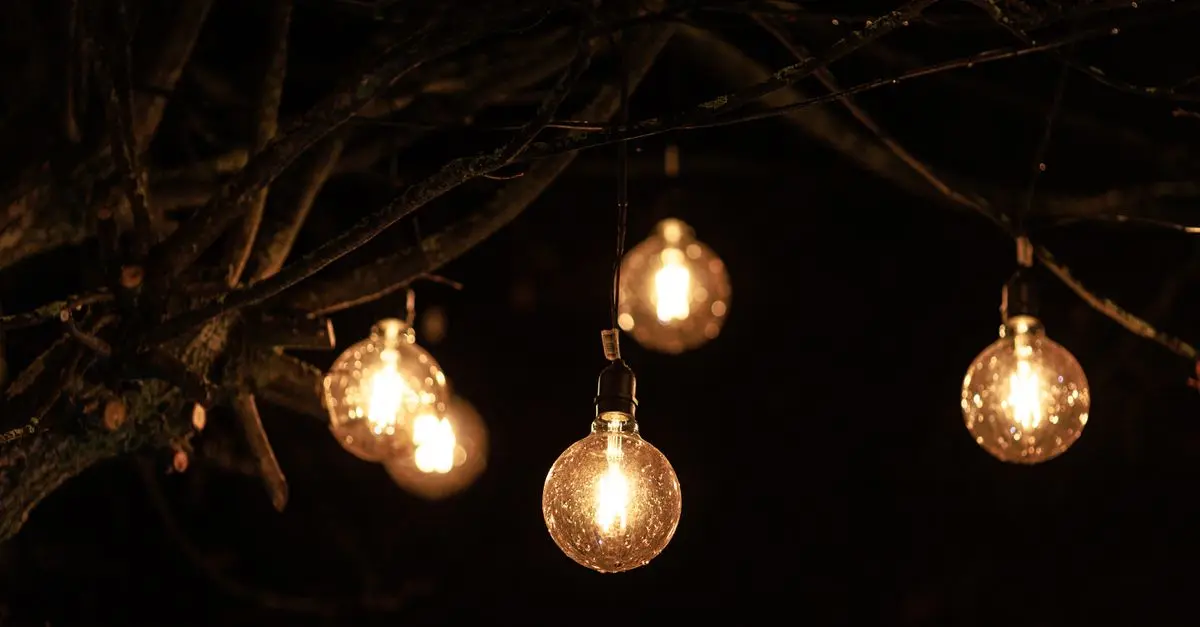
Incandescent bulbs have been around for over a century and are known for their warm, inviting light. They work by passing electricity through a thin filament, which heats up and produces light. Despite their popularity, these bulbs are not the most energy efficient, converting less than 10% of energy into visible light. Consequently, they have a shorter lifespan, typically lasting around 1,000 hours. However, they are inexpensive and provide excellent colour rendering, which makes them a popular choice in homes, particularly in areas where ambiance is key, such as living rooms or dining areas.
Fluorescent Bulbs
Fluorescent bulbs are widely used in both residential and commercial settings. They operate by exciting mercury vapour inside the tube, which produces ultraviolet light that converts to visible light via a phosphor coating. These bulbs consume significantly less energy than incandescent bulbs and last 7,000-15,000 hours. However, they can be less visually appealing, often producing a harsh light. Fluorescent bulbs are commonly found in offices and retail spaces, where their efficiency can lead to substantial cost savings over time.
LED Bulbs
LED (Light Emitting Diode) bulbs represent the latest evolution in lighting technology. They are incredibly efficient, using about 75% less energy than incandescent bulbs and lasting up to 25,000 hours or more. Their compact design allows for a wide range of applications and styles, from traditional bulb shapes to modern, sleek fixtures. Additionally, LEDs are available in various colours and brightness levels, making them versatile for any setting. Due to their efficiency and longevity, they have become the go-to option for many homeowners and businesses alike.
Comparison Table of Light Bulb Types
| Type | Lifespan (Hours) | Energy Efficiency | Cost | Notes |
|---|---|---|---|---|
| Incandescent | 1,000 | Low | Low | Warm light, good CRI |
| Fluorescent | 7,000 - 15,000 | Moderate | Moderate | Better for offices |
| LED | 25,000+ | High | High | Long-term savings |
Choosing the right type of light bulb for specific applications can enhance the functionality of the space. Incandescent bulbs work best in settings where adjustable brightness is needed, such as dimmable fixtures or table lamps. Fluorescent bulbs, on the other hand, are ideal for areas requiring bright, consistent lighting, like kitchens or workspaces. Lastly, LED bulbs can be utilised virtually anywhere, from accent lighting in art galleries to outdoor security lights due to their durability and efficiency.


Expert Insights on Light Bulb Technology
💡 Expert Opinion: As lighting technology advances, many customers are encouraged to consider LED options not just for their energy efficiency but also for their overall versatility. Brands are continuously innovating, introducing smart LED bulbs that can be controlled via smartphones, promoting both convenience and energy savings. According to a study by the UFC-Que Choisir, switching to LED lighting can result in over 80% savings on annual lighting costs.
What is the longest-lasting type of light bulb?
LED bulbs are the longest-lasting, with an average lifespan of 25,000 hours or more.
Are fluorescent bulbs being phased out?
Yes, there are regulations in place that incentivise the replacement of inefficient lighting, including certain types of fluorescent bulbs.
Can LED bulbs be used in outdoor fixtures?
Absolutely, most LED bulbs are designed for both indoor and outdoor use, providing durability and resistance to harsh weather conditions.
Why are LED bulbs more expensive?
LED bulbs have a higher initial cost due to their advanced technology; however, they offer significant energy savings and longer lifespans which make them more cost-effective in the long run.
Glossary
| Term | Definition |
|---|---|
| Lumen | A unit of measure for the amount of light produced by a bulb. |
| Colour Temperature | Describes the appearance of the light emitted from a bulb, measured in Kelvin (K). |
| Wattage | A measure of electrical power used by a bulb, which can relate to its brightness but is not always directly indicative of it. |
Checklist Before Purchase
- [ ] Identify the intended use of the bulb.
- [ ] Consider the energy efficiency rating.
- [ ] Check the bulb’s lifespan.
- [ ] Compare prices and warranty options.
- [ ] Ensure compatibility with existing fixtures.
📺 Resources Video
> 📺 For more on light bulb efficiency: Watch a comprehensive breakdown of lighting options, search on YouTube for: types of light bulbs advantages and disadvantages.
📺 Pour aller plus loin : types of light bulbs advantages and disadvantages sur YouTube

Recommended products
Selected by our experts
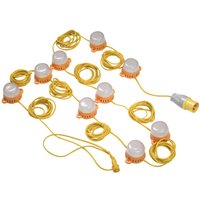

Ex-Pro 35w (150w Eq) 5500K 90+ CRI Studio Full Spectrum Fluorescent Studio Daylight Light Bulb
Boxed2me