Contents (23 sections)
Dimmable lighting is a versatile and essential feature for modern homes, allowing homeowners to tailor illumination for different occasions and moods. As consumers become increasingly conscious of energy efficiency and control over their living environments, dimmable lighting has emerged as a popular choice. This guide delves into the various benefits and characteristics of dimmable lighting, offering practical insights and expert opinions.
What is Dimmable Lighting?
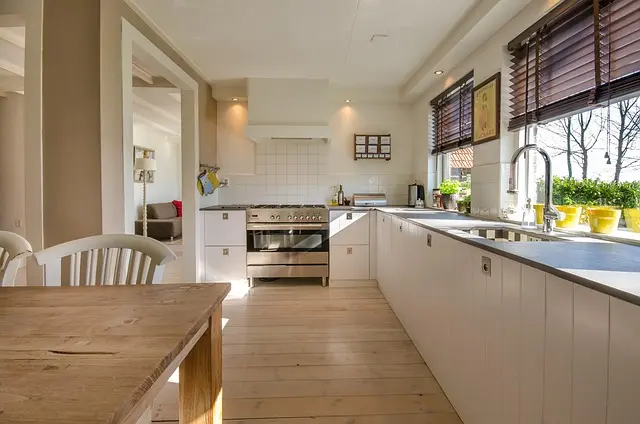
Dimmable lighting refers to any lighting system that allows the adjustment of brightness. This is typically achieved through the use of dimmer switches, which can be installed in place of traditional light switches. Depending on the technology, these dimmers may work with incandescent, LED, or halogen bulbs. The primary advantage of dimmable lighting is its ability to provide users with flexibility. In contemporary design, lighting is not just about illumination; it’s about creating an atmosphere. For instance, a brightly lit kitchen can transform into a soft, inviting space for dinner parties simply by adjusting the light levels.
According to a study by the Energy Saving Trust, dimmable LED lighting can reduce energy consumption by about 20-30%, making it a practical and environmentally friendly choice. Importantly, not all bulbs can be dimmed; therefore, it’s vital to ensure compatibility when selecting dimmable lighting options.
Benefits of Dimmable Lighting
Enhancing Ambiance
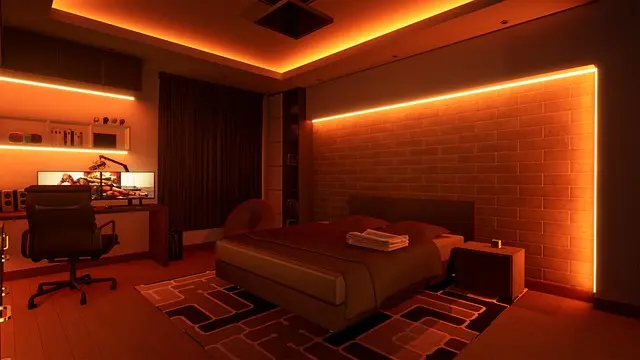
Dimmable lighting is an excellent way to enhance the ambiance in different rooms. For example, in living rooms, adjusting lighting levels to softer tones during evenings creates a comfortable environment for relaxation. Studies indicate that softer lighting can even heighten feelings of tranquillity and reduce stress.
Energy Efficiency
Another critical benefit is energy efficiency. By using dimmers, users can lower electricity consumption, which not only reduces utility bills but also contributes to environmental conservation. Furthermore, according to the UK’s Department of Business, Energy & Industrial Strategy, the average household could save around £100 annually just by switching to energy-efficient dimmable versions of their existing bulbs.
Longevity of Bulbs
Dimming can also extend the lifespan of bulbs. When lights operate at lower levels, they generate less heat and stress, leading to longer bulb life. For instance, if an LED bulb is regularly dimmed, it can last up to 50,000 hours, compared to around 25,000 hours when used at full brightness.
💡 Expert Opinion: Dimmable lighting is a crucial feature for anyone looking to enhance their home's functionality and atmosphere. It’s a simple upgrade that pays dividends in both comfort and efficiency.

Bienser LED Desk Lamp with Clamp, 14W Swing Arm Desk Lamp, Eye-Caring Dimmable Desk Ligh
onbuy.com


How to Install Dimmable Lighting
Step 1: Assess Compatibility
Before purchasing a dimmer switch or bulbs, check the compatibility of your existing lighting fixtures. Not all bulbs are suitable for dimming, so ensure you select dimmable versions of LED, halogen, or incandescent bulbs.
Step 2: Choose the Right Dimmer
Choose a dimmer switch that matches your light bulbs and fixtures. Leading-edge dimmers are typically used for incandescent and halogen bulbs, while trailing-edge dimmers are more suitable for LEDs, as they provide smoother dimming without flickering.
Step 3: Installation
If you are comfortable with basic electrical work, install the dimmer switch by following the manufacturer’s instructions. Always ensure the power is turned off at the circuit breaker before starting the installation process. For those unfamiliar with electrical installations, it's advisable to consult a professional electrician.
Step 4: Testing
Once installed, test the dimmer switch to ensure it works smoothly across the full range of brightness. If you experience flickering, it may indicate the need for a different type of dimmer.
Comparing Dimmable Lighting Options
Here’s a comparative overview of different dimmable lighting types:
| Criteria | Incandescent | Halogen | LED | CFL |
|---|---|---|---|---|
| Energy Efficiency | Low | Moderate | High | Moderate |
| Dimming Range | Excellent | Good | Good | Poor |
| Lifespan (hours) | 1,000 | 2,000 | 25,000 - 50,000 | 10,000 |
| Heat Output | High | High | Low | Moderate |
| Cost | Moderate | Higher | Lower | Lower |
Latest Trends in Dimmable Lighting
The dimmable lighting market is evolving, especially with the growing trend of smart home integration. Smart dimmer switches allow users to control lighting through mobile apps or voice-activated assistants, providing even more flexibility. According to recent trends reported by Statista, nearly 22% of households in the UK have adopted some form of smart lighting by 2026.
This growing trend not only enhances convenience but also integrates seamlessly with other smart home devices, creating a more coherent living environment. The use of mobile technology for remote control signifies a shift in how we interact with our home lighting.
📺 Resource Video
For an insightful review of the benefits of dimmable lighting, you’ll want to check out the video on YouTube. Search for: "dimmable lighting benefits 2026".

Yidoblo AI-3000C RGB LED Video Light Dimmable 2800k-9990k 300w CRI 95 Studio Photo Lamps Metal Panel with 12 Lighting Effects
Alibaba UK


Frequently Asked Questions
What types of bulbs are compatible with dimmable lighting?
Most commonly used bulbs compatible with dimmable lighting include incandescent, halogen, and specifically designed dimmable LED bulbs.
Can dimmers be added to existing lighting fixtures?
Yes, dimmers can typically be retrofitted to existing fixtures, provided that the bulbs used are dimmable.
Do dimmers really save energy and extend bulb life?
Absolutely! Dimming lighting can save energy by reducing wattage and extending the lifespan of bulbs significantly by operating at lower power.
Are smart dimmers worth the investment?
Smart dimmers are generally considered worth the investment for tech-savvy homeowners, offering convenience and integration with home automation systems.
Glossary
| Term | Definition |
|---|---|
| Dimmable Bulbs | Bulbs that can be adjusted for brightness, compatible with dimmer switches. |
| LED | Light Emitting Diode, a more energy-efficient bulb that has a longer lifespan. |
| Smart Dimmers | Dimmers that can be controlled via smartphone or voice integration. |
Checklist before purchase
- [ ] Determine the type of dimmable bulb needed.
- [ ] Check the compatibility of your existing fixtures.
- [ ] Choose a suitable dimmer type based on the bulb.
- [ ] Consider smart dimmer options for added functionality.
- [ ] Read customer reviews for practical insights on products.
Conclusion
In summary, dimmable lighting provides an array of advantages for comfort, energy efficiency, and design versatility. Whether for a cosy night in or a lively gathering, having the ability to control your lighting can significantly enhance the experience within your home.
For the latest in dimmable lighting solutions, discover our recommendations below.
Recommended products
Selected by our experts