Contents (10 sections)
Lighting plays a crucial role in setting the mood and functionality of a space. Dimmable lighting, which allows users to adjust the brightness of a light fixture, has gained popularity in recent years. This flexibility not only enhances the aesthetic appeal of a room but also improves energy efficiency. In this article, we explore the various dimmable lighting benefits and how to effectively utilise dimmable systems in your home.
What is Dimmable Lighting?
Dimmable lighting refers to fixtures or light bulbs that can be adjusted to change the intensity of light output. This adjustability is typically achieved through a dimmer switch, which alters the voltage and current flowing to the light source. Common types of dimmable lighting include incandescent bulbs, LED, and compact fluorescent lamps (CFLs). Each lighting type has its advantages and disadvantages when it comes to dimming capability.
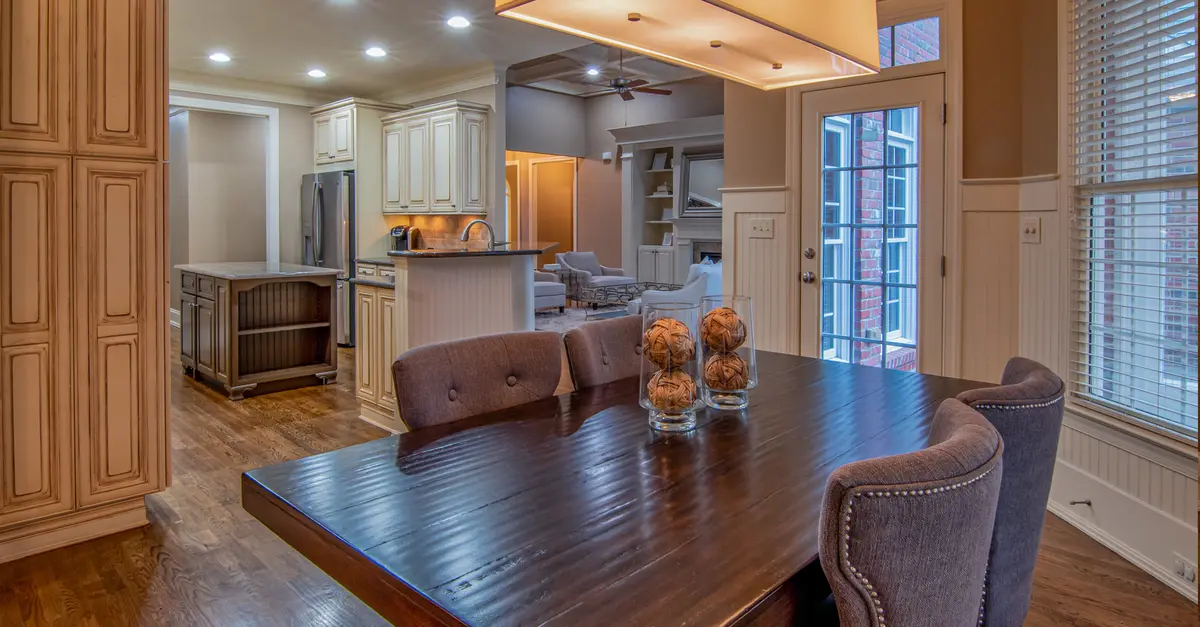
Notably, dimmable lighting can significantly enhance the functionality of a space. Whether it's a living room, kitchen, or bathroom, adjusting the light level can make these areas more versatile. For example, in a dining room, a softer light can create an inviting atmosphere for dinner parties, while brighter light can assist with tasks such as reading or working from home.
According to Les Numériques, dimmable LEDs are 80% more efficient than traditional incandescent bulbs, making them a sustainable lighting choice. Moreover, they enable you to tailor the lighting to your needs, transforming a room's look and feel as desired.
Benefits of Dimmable Lighting
The benefits of dimmable lighting are extensive and impactful. Primarily, they offer flexibility, allowing users to adjust brightness based on activities and time of day. This versatility can lead to energy savings, as lower light levels consume less electricity.
- Enhanced Ambience: Dimming lights allows you to create the perfect atmosphere. For instance, a warm, soft light can make a space feel cozier during family gatherings, whereas brighter settings may be necessary when hosting a presentation.
- Energy Efficiency: As mentioned earlier, reducing the brightness of lights can significantly lower energy consumption. This not only reduces utility bills but also contributes to a more sustainable lifestyle. It is estimated that dimmable LEDs can save a household up to £70 annually in energy costs, according to an UFC-Que Choisir report.
- Extended Lifespan of Bulbs: Dimming light levels can lead to a longer lifespan for your bulbs. This is particularly true for LED lights, which can last significantly longer when used with dimmers.
- Improved Comfort and Health: Brighter lighting can cause eye strain and discomfort. Dimmable lighting lets you adjust the brightness to suit your comfort level, thereby promoting a healthier living environment.
Best Practices for Implementing Dimmable Lighting
To maximise the benefits of dimmable lighting, consider these best practices:
- Choose the Right Bulbs: Not all bulbs are compatible with dimmer switches. Ensure that the light bulbs you select explicitly state that they are dimmable. LEDs and CFLs are increasingly becoming standard in dimming options.
- Select Quality Dimmers: Investing in high-quality dimmer switches is essential for optimal performance. Poor-quality dimmers can lead to flickering lights and can even damage compatible bulbs over time. Look for dimmers that are suitable for your specific lighting type, especially if you are using LED lights.
- Create Zones: Consider zoning your lighting where appropriate. This means having different dimmable controls for various areas of a single room or adjoining rooms. This approach enhances both functionality and aesthetics by adapting to your current activities.
- Experiment with Settings: Don’t hesitate to experiment with light levels. Dimming to different levels at various times of day can create unique atmospheres.
- Maintain Regularly: Regular maintenance of your dimmers and bulbs ensures longevity and performance. Check for dust or wear periodically to prolong their life.
Comparative Analysis of Dimmable Lighting Options
When considering different lighting options, it is beneficial to compare how they stack up against traditional bulbs. Here’s a breakdown:
| Feature | Incandescent Bulbs | Dimmable LEDs | CFLs |
|---|---|---|---|
| Energy Efficiency | Low (10-17 lumens/W) | High (80-100 lumens/W) | Moderate (50-75 lumens/W) |
| Lifespan | ~1,000 hours | ~15,000-50,000 hours | ~10,000 hours |
| Dimming Capability | Yes | Yes | Limited |
| Initial Cost | Low | Moderate to High | Low |
| Heat Emission | High | Minimal | Moderate |
| Verdict | Limited functionality | Highly versatile | Generally less efficient |
💡 Expert Opinion: "Incorporating dimmable lighting has been a game changer in modern home design. It provides unrivalled versatility for different occasions and enhances the overall energy efficiency of households. I recommend careful selection of compatible devices for the best outcome." – Lighting Specialist at LightingGuide.co.uk
- What types of bulbs can be dimmed?
Dimmable versions of incandescent, LED, and some CFL bulbs can be used with dimmer switches. Always check for a ‘dimmable’ label on the packaging before purchase.
- Can I use any dimmer switch with any bulb?
No, it’s crucial to select a dimmer switch compatible with the specific type of bulb. Mismatched devices may result in performance issues or damage.
- Do dimmable LEDs consume more energy?
No, dimmable LEDs can save more energy compared to traditional bulbs because they require less power when dimmed.
- How easy is it to install dimmable lighting?
Installing dimmable lighting is relatively straightforward but may require professional assistance for wiring and compatibility checks.
📺 For Further Insight
Learn more about how to choose and install dimmable lighting effectively. Search YouTube for: "how to set up dimmable LED lights".
Glossary
| Term | Definition |
|---|---|
| Dimming Switch | A device that alters the current and voltage to control light brightness levels. |
| Incandescent | Traditional light bulbs that produce light through a filament heated to high temperatures. |
| LED | Light Emitting Diode, a highly energy-efficient light source with a long lifespan. |
Checklist Before Purchase
- [ ] Determine the areas requiring dimmable lighting.
- [ ] Verify the compatibility of bulbs with dimmers.
- [ ] Consider the aesthetic and functional requirements.
- [ ] Check energy ratings for bulbs.
- [ ] Plan for installation and maintenance of dimming systems.
In conclusion, incorporating dimmable lighting into your home can significantly enhance your living space's functionality, atmosphere, and efficiency. With the right products and practices, you can create a beautifully illuminated environment tailored to your preferences and needs. Explore our recommendations below to find suitable dimmable lighting options!
📺 Pour aller plus loin : how to set up dimmable LED lights sur YouTube
Recommended products
Selected by our experts

WiZ 929004140216 strip light Universal strip light LED 17.9 W 10000 mm
Back to the Office


WiZ 929004140116 strip light Universal strip light LED 10 W 10000 mm
Back to the Office

10 Pack - 5W Dimmable LED GU10 Bulb - Cool, Warm or Natural White
simplelighting.co.uk