Contents (22 sections)
LED lighting has become increasingly prevalent in modern homes due to its energy efficiency and versatility. As we navigate through 2026, understanding LED technology is more crucial than ever, particularly in a world striving for sustainability. This article will delve into the benefits of LED lighting and highlight its key features that make it an ideal choice for both residential and commercial spaces.
What is LED Lighting?
Light Emitting Diode (LED) lighting is a technology that utilises a semiconductor to convert electricity into light. Unlike traditional incandescent or fluorescent bulbs, LEDs produce light through electroluminescence without the use of filaments or gases. This process not only decreases the energy consumption but also enhances the longevity of the bulbs, allowing them to last significantly longer than their predecessors. According to the U.S. Department of Energy, LED bulbs can last up to 25 times longer than incandescent bulbs while consuming approximately 75% less energy.
This groundbreaking technology has shifted lighting paradigms, leading to decreased energy bills and a reduced environmental footprint. The LED lighting market is projected to grow substantially, reflecting increasing consumer demand for energy-efficient solutions. It's imperative to explore why transitioning to LED lighting might be beneficial for your home.
Benefits of LED Lighting
Energy Efficiency
One of the most significant advantages of LED lighting is its energy efficiency. Traditional incandescent bulbs convert only about 10% of the energy they consume into visible light, while LEDs can achieve efficiencies of up to 80%-90%. This means substantial savings on energy costs, particularly in homes with extensive lighting needs. A typical household can save hundreds of pounds annually by switching to LED technology.
Longevity
The lifespan of LED bulbs is a game-changer for homeowners. An average LED light can last 15,000 to 50,000 hours, while traditional bulbs last only about 1,000 hours. This extended lifespan translates to fewer replacements and less waste, aligning with sustainable living principles. Moreover, reducing the frequency of replacements means less hassle and less time spent shopping for light bulbs.
Environmental Impact
LED lighting significantly lowers carbon emissions due to its energy efficiency and longevity. By moving towards LEDs, consumers contribute to decreased energy demands from power plants, thereby reducing greenhouse gas emissions. Furthermore, many LEDs are made without toxic materials such as mercury, making them safer for the environment when disposed of.
Versatility and Design Options
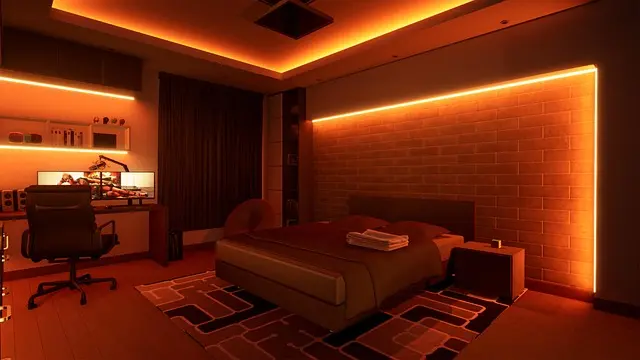
LEDs come in a variety of shapes, sizes, and colours, making them perfect for all types of lighting needs, from ambient to task lighting. Whether you're looking to brighten up a workspace or create a cozy atmosphere in your living room, LED lights offer the flexibility to cater to your specific requirements. Additionally, many LED products are dimmable, allowing for greater control over lighting levels.

Bienser LED Desk Lamp with Clamp, 14W Swing Arm Desk Lamp, Eye-Caring Dimmable Desk Ligh
onbuy.com

Yidoblo AI-3000C RGB LED Video Light Dimmable 2800k-9990k 300w CRI 95 Studio Photo Lamps Metal Panel with 12 Lighting Effects
Alibaba UK

How to Choose the Right LED Lighting
Step 1: Determine Your Needs
Consider the areas of your home that require lighting. Different spaces may need different types of lighting; for instance, a kitchen may require brighter, cooler lights while a bedroom may benefit from softer, warmer tones.
Step 2: Understand Lumens vs. Watts
When purchasing LED lights, pay attention to lumens (the amount of light emitted) rather than watts (the energy consumed). LEDs emit more brightness using fewer watts, which can create confusion for those transitioning from traditional lighting.
Step 3: Select the Right Colour Temperature
Colour temperature is essential in creating the desired atmosphere. Measured in Kelvins (K), lower numbers (like 2700K) provide a soft, warm light perfect for relaxation, while higher numbers (above 5000K) produce a brighter, more energising daylight effect.
Step 4: Look for Quality and Certifications
Ensure your LEDs are certified for quality and reliability. Look for endorsements from organisations like Energy Star, which signify that the product meets strict energy efficiency guidelines.
Comparative Features of LED vs. Traditional Lighting
| Feature | LED Lighting | Incandescent Lighting | Fluorescent Lighting | Verdict |
|---|---|---|---|---|
| Energy Efficiency | 80-90% more efficient | 10-15% efficient | 35-40% efficient | LED is the clear winner |
| Lifespan | 15,000 to 50,000 hours | 1,000 hours | 7,000 to 15,000 hours | LED lasts significantly longer |
| Environmental Impact | Minimal toxic materials | Contains mercury | Contains mercury | LED is the safest choice |
| Initial Cost | Higher upfront cost | Lower upfront cost | Moderate upfront cost | Value increases over time |
Expert Insights
> 💡 Expert Opinion: The transition to LED lighting not only improves home environments but also supports global sustainability efforts. Homeowners are seeing real financial benefits, with energy bills reduced significantly as LEDs are adopted. Regularly updating your lighting can also improve the overall aesthetic of your space.
FAQs on LED Lighting
What are the primary advantages of LED lighting?
The primary advantages include energy efficiency, long lifespan, reduced environmental impact, and versatility in applications.
How much money can I save by switching to LED lights?
Switching to LED lights can save the average household up to £100 per year on energy costs, depending on usage.
Can I use LED lights in existing fixtures?
Yes, LED lights are designed to be compatible with most existing fixtures, making it easy to upgrade.
What colour temperature should I choose for my home?
Choose lower temperatures (2700K-3000K) for warm, relaxing spaces and higher temperatures (5000K+) for workspaces that need bright, clear lighting.
Checklist before Purchase
- [ ] Assess the type of lighting needed in each space
- [ ] Check the lumen output for brightness requirements
- [ ] Consider colour temperature for mood setting
- [ ] Look for energy ratings and certifications
- [ ] Read reviews and feedback from other users


Kernel dslr camera video led ring light wedding photography lighting equipment 220v photo video studio light
Alibaba UK
Glossary
| Terme | Définition |
|---|---|
| Lumens | Unité de mesure de la lumière émise par une source lumineuse |
| Kelvin | Unité de mesure de la température de couleur des lumières |
| Energy Star | Une certification indiquant l'efficacité énergétique |
📺 For Further Exploration
Understanding LED Lighting: Comprehensive Overview, an insightful examination of LED technology. Search on YouTube: 'LED lighting advantages and features'.
With their numerous benefits and adaptability, LED lights are undoubtedly the future of home lighting. If you're considering an upgrade, we have selected several products adapted to different needs. Don't miss out on enhancing your home's lighting with LED technology!
Recommended products
Selected by our experts


Mettle SPL210B Smart Panel Dual Color Wireless App Control Photographic Lighting LED Panel Light
Alibaba UK


96W 3200-5500K Photo Studio Macro LED Ring Light Camera Video Lamp+Tripod Light stand phone Holder Photographic Lighting
Alibaba UK

Costway 4 iN 1 Swivel Jewelry Cabinet Lockable Jewelry Armoire-Black in Black Black
debenhams.com