Contents (10 sections)
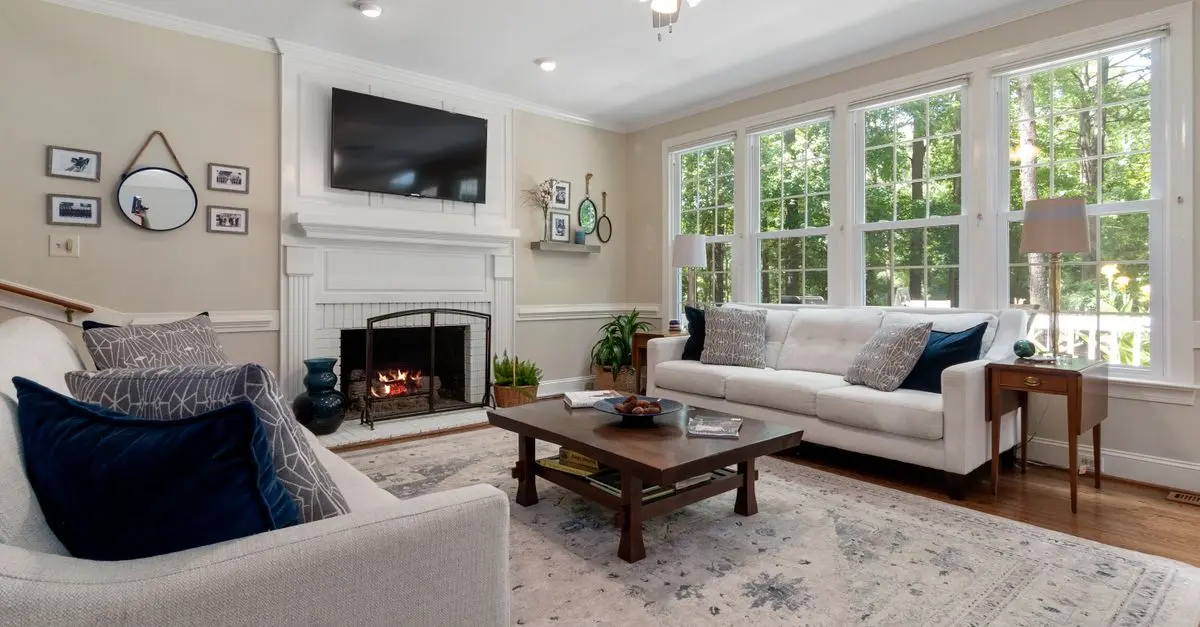
Layered lighting is a fundamental aspect of interior design that can dramatically enhance the ambiance of your home. Layered lighting refers to the use of multiple light sources at different levels and intensities to create a visually appealing and functional space. By combining ambient, task, and accent lighting, homeowners can achieve a balance that suits their needs and preferences.
The Importance of Layered Lighting
Why is layered lighting so significant in contemporary home design? First, it ensures a more versatile and adaptable living environment. For example, a room may need bright task lighting during the day for activities such as reading or cooking, while softer, ambient lighting can create a warm atmosphere in the evenings. According to a study by UFC-Que Choisir, well-planned lighting can boost mood and productivity, making it essential in both residential and workspace designs.
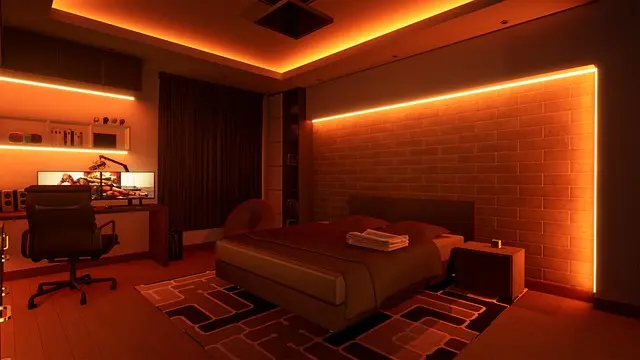
In addition to functionality, layered lighting also plays a crucial role in highlighting architectural features and decor. For instance, accent lighting can draw attention to artwork, while ambient lighting can enhance the overall colour scheme of a room, ensuring that each space feels cohesive. By focusing on the principles of layered lighting, homeowners can create a welcoming and attractive environment that adjusts to their lifestyle needs.
How to Implement Layered Lighting in Your Home
Creating an effective layered lighting setup involves a step-by-step approach. Here’s how to do it:
- Evaluate Your Room: Begin by assessing the spaces where you wish to implement layered lighting. Note the existing natural light sources and the room's function.
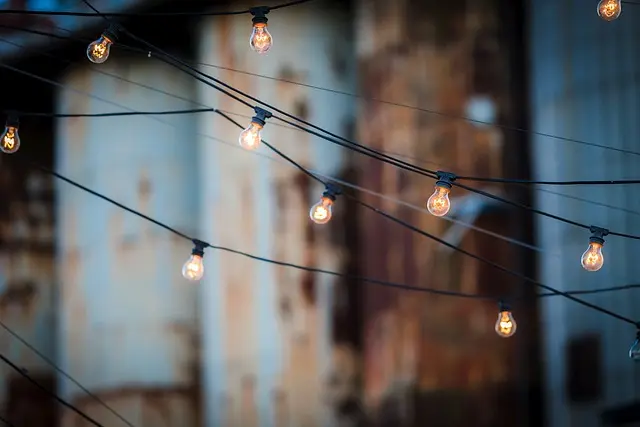
- Choose Lighting Types: Decide on the three main types of lighting: ambient, task, and accent. Ambient lighting serves as the primary illumination and can be sourced from ceiling fixtures or LED recessed lights. Task lighting, such as desk lamps or under-cabinet lights, is designed to assist in specific activities. Accent lighting, including wall sconces or picture lights, is ideal for highlighting particular points of interest.
- Layer Strategically: In each room, consider the placement of the various light sources to achieve a harmonious balance. For example, a kitchen might benefit from pendant lights above an island (task), recessed lighting for overall illumination (ambient), and accent lights to showcase decorative elements.
- Utilise Dimmers: Installing dimmer switches can enhance the flexibility of your lighting setup, allowing you to switch between bright and soft lighting as the mood dictates.
- Test and Adjust: Finally, test your lighting in different scenarios and adjust the placement or types of lighting as needed. The aim is to create a warm and welcoming environment that meets your lifestyle needs.
Comparing Different Types of Lighting
To better understand your options for layering lighting, consider the following comparison of various lighting types:
| Type of Lighting | Source Examples | Purpose | Pros/Cons |
|---|---|---|---|
| Ambient | Ceiling fixtures, chandeliers | General illumination | Pros: Creates a comfortable atmosphere; Cons: Can be overly bright if not controlled. |
| Task | Desk lamps, under-cabinet lights | Focused light for activities | Pros: Improves functionality; Cons: Can create shadows if poorly positioned. |
| Accent | Wall sconces, picture lights | Highlights decor | Pros: Adds depth and interest; Cons: Requires careful placement to avoid glare. |
| Decorative | Novelty lamps, aesthetic fixtures | Visual appeal | Pros: Personal style expression; Cons: May not provide sufficient light for tasks. |
The Impact of Good Lighting on Well-Being
Several studies have highlighted the psychological effects of lighting on human well-being. For example, a report published by the National Institute of Health indicated that exposure to natural light can improve mood and energy levels. In contrast, harsh or poorly planned lighting can lead to feelings of fatigue and stress. Therefore, integrating a variety of light sources can enhance both physical and mental well-being in your home. This insight reaffirms the value of layered lighting not only for aesthetic appeal but also for health benefits.
📺 Resources Video
> 📺 For further exploration: Understanding Layered Lighting Techniques, a dive into creating the perfect lighting design for your home. Search YouTube for: "layered lighting ideas 2026".
Expert Opinion
> 💡 Expert Insight: According to interior designer Sarah Johnson, "Integrating layered lighting is key to creating spaces that are not only beautiful but also functional. Ensuring that every corner has the right amount of light can transform how you experience a room."
Glossary
| Term | Definition |
|---|---|
| Ambient Lighting | General illumination that fills a room with light. |
| Task Lighting | Light directed at specific areas to facilitate activities like reading or cooking. |
| Accent Lighting | Focused light used to highlight objects or areas within a space. |
Checklist before setting up layered lighting
- [ ] Identify the primary function of each room.
- [ ] Choose appropriate lighting types (ambient, task, accent).
- [ ] Install dimmers for flexibility.
- [ ] Ensure light sources are well-placed for task efficiency.
- [ ] Check for any glare or shadows in the setup.
{
}
📺 Pour aller plus loin : layered lighting ideas 2026 sur YouTube