Contents (9 sections)
LED lighting has emerged as a game-changer in home illumination, providing an array of advantages over traditional lighting options. In this article, we'll delve into the numerous benefits that come with switching to LED technology, exploring why more households are making this transition.
What is LED Lighting?
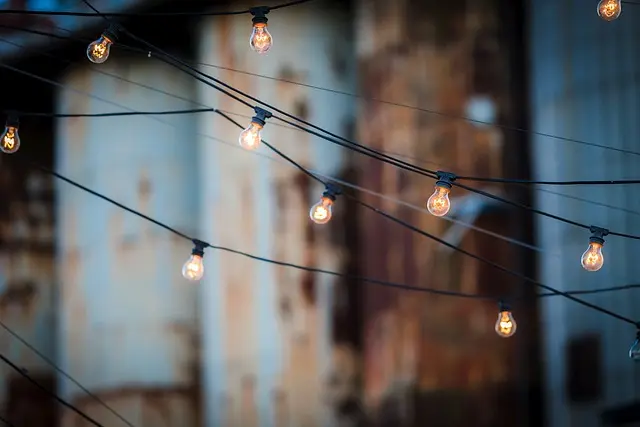
LED, or Light Emitting Diode, lighting is a technology that uses a semiconductor to convert electricity into light. Unlike incandescent bulbs, which generate light through heat, LEDs emit light more efficiently, resulting in less energy wastage. This fundamental difference is one of the primary reasons for the increasing adoption of LED fixtures in homes.
The lifespan of LED bulbs is also significantly longer than that of incandescent or fluorescent lights. While traditional bulbs last about 1,000 hours, many LED bulbs offer between 15,000 to 50,000 hours of use. This longevity reduces the frequency of replacements and contributes to lower waste, making LED lighting an environmentally friendly choice. According to UFC-Que Choisir, LED lighting can save households up to 80% in energy costs compared to incandescent bulbs, emphasising their economic advantages as well.
The Energy Efficiency Advantage
One of the most compelling benefits of LED lighting is its energy efficiency. LEDs consume significantly less power while delivering the same amount of brightness as traditional bulbs. For example, a typical 60-watt incandescent bulb can easily be replaced by a 10-watt LED bulb, producing equivalent light output. This dramatic reduction in wattage translates to a lower electricity bill each month.
Furthermore, the International Energy Agency (IEA) has projected that widespread adoption of LED lighting could reduce global lighting electricity consumption by 30%. This means that not only does switching to LED benefit individual households, but it also contributes positively to the environment by decreasing energy demand.
Longer Lifespan and Durability
As mentioned, the lifespan of LED lights dwarfs that of traditional lighting options. Most LEDs can last anywhere from 15 to 50 times longer, and they are designed to withstand harsher conditions, making them less prone to breakage. This durability means that homeowners need to replace bulbs far less frequently, resulting in less inconvenience, as well as reduced waste.
Moreover, LEDs are more resilient to temperature fluctuations. They can function optimally in both cold and hot environments, unlike some traditional bulbs that may falter under extreme temperatures. This characteristic makes LEDs perfect for outdoor lighting or in locations like garages or attics, providing reliable performance year-round.
Environmental Impact and Sustainability
Switching to LED lighting not only provides financial benefits but also aligns with sustainability goals. The reduced energy consumption of LEDs leads to a decrease in fossil fuel use, thereby lowering carbon emissions associated with energy generation.
In addition to their low energy use, LEDs do not contain harmful materials such as mercury, which is prevalent in compact fluorescent lamps (CFLs). This makes them safer for the environment when disposed of. According to the United Nations Environment Programme, the increased adoption of LED technology is expected to play a pivotal role in meeting global climate goals, by reducing overall energy consumption significantly.
Aesthetics and Ambiance
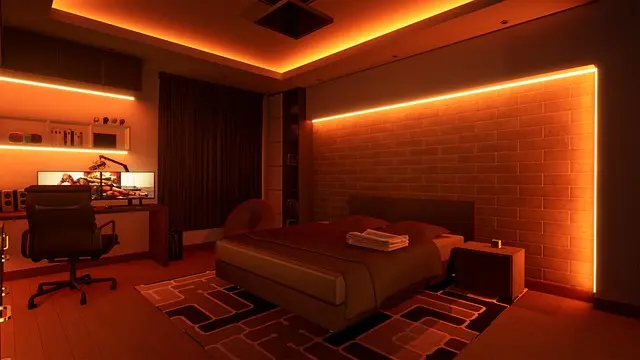
Beyond saving money and energy, LED lighting offers a remarkable improvement in the aesthetics of your home. Available in a variety of colour temperatures, LEDs can create a warm, inviting atmosphere or a bright, energising environment, depending on your needs. Whether you’re looking to set a serene mood in your living room or a bright workspace in your kitchen, there’s an LED option suited to every corner of your home.
Additionally, many LED fixtures come with adjustable brightness settings and smart technology capabilities, which allow for enhanced control over your lighting environment. By integrating smart home systems, users can easily adjust light levels based on time of day or even create schedules for automated lighting adjustments.
📺 Resource Video
> 📺 For further insight: Explore the comprehensive guide on LED lighting benefits by searching on YouTube: 'LED lighting advantages for home improvement'.
Comparing LED Lighting with Traditional Options
| Criteria | LED Lighting | Incandescent Lighting | CFL Lighting | Verdict |
|---|---|---|---|---|
| Energy Consumption | Low | High | Moderate | LEDs are the most efficient |
| Lifespan | 15,000 - 50,000 hrs | 1,000 hrs | 10,000 hrs | LEDs last much longer |
| Environmental Impact | Low (no mercury) | High (energy waste) | Medium (contains mercury) | LEDs are eco-friendly |
| Cost Over Lifespan | Lowest | Highest | Moderate | LEDs save money long-term |
FAQs
{