Contents (10 sections)
Natural light benefits are increasingly recognised in interior design as essential for creating inviting and functional living spaces. But what exactly does natural light entail? Simply put, it refers to sunlight that enters a building through windows, skylights, and other openings, illuminating the interiors without artificial light sources. As research continues to demonstrate the importance of natural light for health and wellbeing, its role in design becomes ever more significant. According to a study by the Lighting Research Center, exposure to natural light boosts mood, improves productivity, and can even enhance cognitive performance, making it a pivotal element in designing homes and workplaces.
Aesthetic appreciation is also significantly enhanced by natural light. The interplay of light with colours, materials, and textures can change drastically throughout the day, creating different atmospheres and enhancing the beauty of a space. For instance, a room that receives morning sunlight will have a different character compared to one that basks in evening rays. Understanding these nuances allows designers to create spaces that feel dynamic and alive, continually engaging those who inhabit them.
The Positive Impacts of Natural Light on Wellbeing
The positive impacts of natural light on human health are well-documented. Exposure to daylight regulates circadian rhythms, which are crucial for maintaining a healthy sleep cycle. Research from the University of Illinois indicates that individuals exposed to more natural light during the day experience improved sleep quality at night. Additionally, natural light is instrumental in elevating levels of serotonin, a neurotransmitter that contributes to feelings of happiness and stability.
Incorporating natural light into interior design can take various forms, including larger windows, skylights, or the strategic placement of mirrors to reflect light deeper into a room. For example, utilising light-coloured walls and flooring can help enhance the distribution of daylight, spreading it evenly across a space and combating feelings of claustrophobia or darkness. In contrast, poorly lit environments can lead to issues like eye strain, fatigue, and even Seasonal Affective Disorder (SAD), underscoring the need for thoughtful consideration in interior design.
How to Maximise Natural Light in Your Home
Maximising natural light in your home is both an art and a science. Here are practical steps to effectively harness natural light:
- Assess your Natural Light Sources: Start by observing where light enters your space. Identify which areas receive direct sunlight and which are shaded at different times of day.
- Choose the Right Window Treatments: Opt for sheer curtains or blinds that can be adjusted to moderate light levels while allowing as much light to enter as possible.
- Incorporate Reflective Surfaces: Use materials like glass, mirrors, and glossy finishes to bounce light around the room instead of absorbing it.
- Strategic Furniture Placement: Arrange furniture to avoid obstructing windows and light pathways, allowing for a free flow of light throughout the room.
These actions can drastically improve the brightness of any area, making a home feel more open and airy.
Comparative Analysis of Natural Light Solutions
Understanding the different natural light solutions can help you choose the best approach for your space. Below is a comparative analysis of various options:
| Option | Pros | Cons | Verdict |
|---|---|---|---|
| Standard Windows | Cost-effective, easy installation | Limited light penetration | Good for most rooms |
| Skylights | Dramatically increases light | Higher installation costs | Excellent for dark rooms |
| Glass Doors | Provides a seamless connection with outdoors | Privacy concerns | Great for living spaces |
| Clerestory Windows | High placement allows for ample light | Can require structural changes | Ideal for unique designs |
Real-World Examples of Natural Light in Design
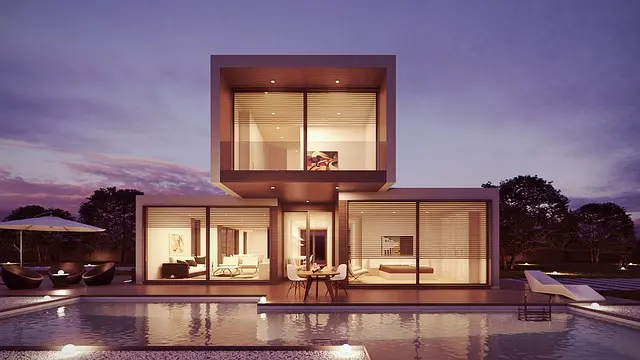
Delving into real-world examples highlights how natural light transforms spaces. In the Tate Modern in London, vast expanses of glass allow natural light to flood the galleries, enhancing the experience of contemporary art displays. Similarly, many modern residential designs incorporate open floor plans with large windows to create a sense of connection with the outdoors. According to Mostra, a design firm, such integration of natural light has been shown to improve the atmosphere in homes by enhancing mood and promoting social interaction.
By observing these successful applications, one can discern best practices and innovative ideas for personal living spaces.
Expert Opinions on Natural Light in Interior Design
💡 Expert Opinion: “Utilising natural light effectively in a space transforms not just its appearance but also its functionality. Homes infused with daylight enhance mood and reduce energy costs, making them not just beautiful but sustainable too,” remarks Ella James, a renowned interior designer.
Experts agree that embracing natural light should not just be a trend but an essential consideration for modern living. As initiatives for energy-efficient and eco-friendly homes grow, leveraging natural light plays a critical role in sustainable design principles.
📺 Resource Video
> 📺 For further insights: Understanding Natural Light in Home Design, a comprehensive exploration of how light impacts interior aesthetics. Search on YouTube: natural light benefits in interior design.
Glossary
| Term | Definition |
|---|---|
| Natural Light | Light that comes from the sun, as opposed to artificial sources. |
| Circadian Rhythm | The physical, mental, and behavioral changes following a daily cycle, primarily influenced by natural light. |
| Skylights | Windows installed in roofs or ceilings to allow natural sunlight into a building. |
Checklist Before Maximising Natural Light
- [ ] Assess your current light sources.
- [ ] Plan for window treatments that maximise light.
- [ ] Consider reflective materials in your decor.
- [ ] Identify furniture placement that facilitates light flow.
- [ ] Research local regulations for major alterations like skylights.
Conclusion
Embracing natural light benefits in interior design not only enhances aesthetics but significantly impacts the mood and wellbeing of those inhabiting the space. By employing strategies to maximise natural light, anyone can transform their living environments into refreshing, energising places. For more tips on integrating natural light within your home, stay tuned to our blog. If you have thoughts on this topic or would like to share your experiences, feel free to comment below.
Final Call to Action: Are you ready to transform your space with the power of natural light? Contact us today for personalised design consultations!