Contents (12 sections)
What is Smart Lighting?
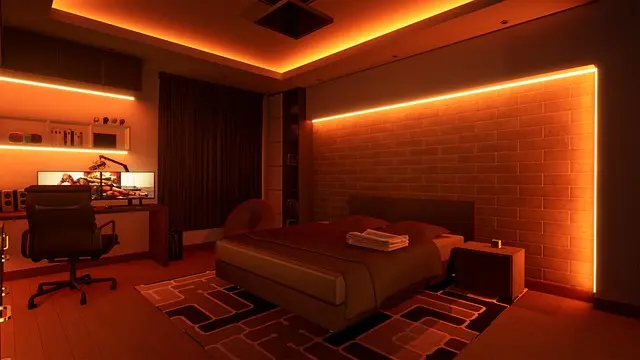
Smart lighting refers to lighting systems that can be controlled remotely or automatically adjust to preferred conditions. This technology allows users to adjust brightness, change colours, and set schedules via smartphones or voice-activated devices. Smart lighting forms a critical part of the growing smart home ecosystem, offering not just convenience, but also energy efficiency and enhanced safety. According to reports from UFC-Que Choisir, the adoption of smart lighting systems is on the rise, with more households integrating these solutions to reduce energy consumption and enhance living comfort.
The primary components of smart lighting typically include smart bulbs, light switches, and control hubs. Smart bulbs connect to your home Wi-Fi network, enabling wireless control. This means that even when you are not at home, you can manage your lighting through an app or smart home assistant. Such functionality offers users the flexibility to modify their home's ambiance or increase security by simulating occupancy during vacations.

TP-Link EAP650-DESKTOP wireless access point 2976 Mbit/s White Power over Ethernet (PoE)
Back to the Office

Acer Chromebook Enterprise Spin 714 CPE794-1N Intel Core Ultra 5 115U 35.6 cm (14") Touchscreen WUXGA 8 GB LPDDR5-SDRAM 256 GB SSD Wi-Fi 6E
Quzo UK

How to Install Smart Lighting
Implementing a smart lighting system in your home can be straightforward, as it usually does not require extensive electrical knowledge. Follow these simple steps to get started:
- Choose Your Smart Bulbs: Select bulbs that are compatible with your smart home ecosystem, whether that be Google Home, Amazon Alexa, or Apple HomeKit.
- Replace Existing Bulbs: Simply replace your traditional light bulbs with the smart ones. Make sure to turn off the power during replacement to avoid electrical shock.
- Download the App: Most smart bulbs will come with a dedicated app. Download it on your smartphone to set up your device.
- Connect to Wi-Fi: Follow the app's instructions to connect your smart bulbs to your home Wi-Fi network.
- Configure Settings: Through the app, you can set schedules, control brightness, adjust colours, and manage all your smart lighting from one central location.
Many users report smooth installation processes, often completing set-ups in less than 30 minutes. According to Les Numériques, even the most basic models allow users to change light settings effortlessly, providing a significant enhancement to traditional lighting methods.
Smart Lighting vs Traditional Lighting
When comparing smart lighting to traditional lighting, several key factors come into play:
| Feature | Smart Lighting | Traditional Lighting | Verdict |
|---|---|---|---|
| Control | Remote and automated | Manual switches | Smart lighting wins |
| Energy Efficiency | Yes, often controlled | Limited | Smart lighting wins |
| Customisation | High (colour & brightness) | Low | Smart lighting wins |
| Security | Enhanced with scheduling | None | Smart lighting wins |
| Installation Complexity | Simple | Varies | Smart lighting wins |
The comparison provides clear insight into the extensive benefits of smart lighting over traditional systems. Smart lighting systems not only offer convenience but can significantly reduce energy costs and provide an additional layer of security by allowing homeowners to simulate presence when away.
Data Insights on Smart Lighting
According to a survey by INSEE, approximately 20% of households in the UK have adopted smart lighting technology, a figure that has tripled since 2020. This statistic highlights a growing trend in energy-aware living, where the automation of household features like lighting results in less energy waste and savings on bills.
Additionally, research from ADEME indicates that smart lighting can reduce energy consumption by up to 30% compared to traditional bulbs. More advanced systems also provide features like motion detection and daylight sensors, which adjust lighting according to natural light availability, further enhancing energy savings.
These advancements are encouraging more homeowners to invest in smart lighting solutions that not only lower electricity bills but also contribute positively to the environment by reducing overall carbon footprints.
FAQs About Smart Lighting
Q: Can smart lighting work with existing fixtures?
A: Yes, smart bulbs can be installed in existing fixtures without any modifications required.
Q: Do I need a hub for smart lighting?
A: Not always. Many smart bulbs operate solely via Wi-Fi, while others requiring a hub for enhanced functionalities.
Q: Is smart lighting expensive?
A: The initial investment is higher than traditional lighting, but long-term energy savings often offset this cost.
Q: Can I control smart lighting away from home?
A: Yes, most smart lighting systems allow you to control settings remotely through an app.


Checklist Before Buying Smart Lighting
- [ ] Identify areas to install smart lighting
- [ ] Choose compatible smart home systems
- [ ] Determine the type of smart lighting (bulbs, switches, etc.)
- [ ] Check if additional hubs are required
- [ ] Set a budget based on desired functionalities
Glossary
| Term | Definition |
|---|---|
| Smart Bulb | A light bulb that can be controlled remotely via an app or voice command. |
| Control Hub | A central device that connects different smart devices, enabling them to work together. |
| Energy Efficiency | The goal of reducing energy consumption while maintaining the same level of output. |
> 💡 Avis d'expert :
Recommended products
Selected by our experts