Contents (15 sections)
Lighting plays a crucial role in our daily lives and affects both our mood and productivity. The relationship between lighting and psychological well-being has been the subject of research for decades, illustrating that the impact of lighting on mood is profound. Proper lighting can help create an inviting atmosphere and improve focus in both professional and personal settings. Understanding the nuances of how different lighting types affect us can lead to better design choices in homes, offices, and communal spaces.
What is the Impact of Lighting on Mood?
Lighting is more than a practical necessity; it significantly influences emotional states and behaviour. Research has shown that exposure to natural light can increase levels of serotonin, a hormone that boosts mood and focus. In contrast, poor or harsh artificial lighting can contribute to feelings of stress and fatigue. There are three primary types of lighting: ambient (general), task (specific), and accent (highlighting). Each serves a unique purpose and contributes differently to our emotional responses.
For instance, ambient lighting provides the foundation of light in a space, creating a comfortable level of brightness for general activities. In contrast, task lighting is designed to illuminate specific areas for practical tasks, such as reading or working. Accent lighting highlights particular features or objects within a space, adding character and warmth.
According to studies by the American Psychological Association, environments with adequate lighting can enhance productivity by up to 15%. Furthermore, environments that incorporate natural light have been linked to improved mental health and satisfaction levels among employees. Thus, understanding the impact of lighting is essential for optimal space design and functionality.
How to Choose the Right Lighting?
Choosing the right lighting involves considering the purpose of a space and how individuals use it. Here’s a structured approach:
- Assess the Purpose of the Area: Identify if the area is for relaxation, concentration, or social interaction. Each purpose demands a different lighting style.
- Incorporate Natural Light: Whenever possible, maximise the use of natural light as it positively impacts mood and productivity.
- Layer Your Lighting: Use a combination of ambient, task, and accent lighting to ensure flexibility according to various activities.
- Choose Appropriate Bulbs: Select bulbs with suitable colour temperatures. For instance, cooler tones around 5000K tend to enhance alertness, while warmer tones around 2700K create a cosy and warm environment.
💡 Expert Tip: Test various lighting configurations in a space and observe the mood shifts. Small alterations can yield significant improvements in comfort and efficiency.

7W Black Outdoor LED Spike Light – IP67, 4000K Natural White, 30° Beam, 1m Cable
simplelighting.co.uk
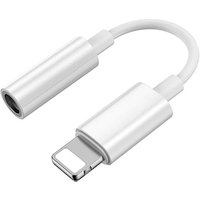
Lighting to 3.5mm Headphones Jack Adapter Aux Adapter Earbuds Headsets Converter Accessories for iphone AUX Adapter
Alibaba UK

MSI FORGE GK310 RED UK keyboard Gaming USB QWERTY UK International Black
Back to the Office
Comparison of Lighting Types
To further illustrate the impact of different lighting types, here’s a comparative analysis of common lighting options:
| Type of Lighting | Description | Best Use Area | Mood Impact |
|---|---|---|---|
| Ambient Lighting | General illumination for an entire space | Living rooms, hallways | Creates a welcoming feel |
| Task Lighting | Specific light for activities | Offices, kitchens | Enhances focus and efficiency |
| Accent Lighting | Highlights features and adds visual interest | Art displays, decorative areas | Creates intimacy and drama |
| Natural Light | Sunlight providing illumination | All spaces, especially working areas | Improves overall mood |
The Role of Technology in Lighting
With advancements in technology, smart lighting solutions are emerging as practical approaches to enhance the impact of lighting on mood. Automated systems allow users to adjust the intensity and colour of lighting to match their activities or emotional needs. For instance, dimmable LEDs can simulate natural light throughout the day, transitioning from bright daylight to warm evening tones, effectively regulating circadian rhythms.
Moreover, circadian lighting systems, which adjust the light's temperature throughout the day, can mimic natural sunlight patterns. This approach has been shown to improve energy levels and overall mood throughout a working day. The incorporation of smart lighting not only enhances mood but also offers energy efficiency, making it a win-win solution for modern living.
Questions Frequently Asked
Q: Does lighting affect sleep quality?
A: Yes, exposure to bright light in the evening can interfere with sleep patterns by inhibiting melatonin production, making it essential to regulate light exposure.
Q: What type of lighting is best for studying?
A: Cool white light (around 4000K-5000K) is generally recommended for study spaces, as it boosts concentration and alertness.
Q: Can poor lighting lead to eye strain?
A: Absolutely. Insufficient or harsh lighting can lead to discomfort and visual fatigue, stressing the importance of proper lighting choices.
Q: How does daylight affect mood in the workplace?
A: Studies have shown that natural light in workspaces enhances mood and productivity, reducing the risk of workplace burnout.
Glossary
| Terme | Définition |
|---|---|
| Ambiance | La lumière généralement diffuse pour une expérience agréable. |
| Efficacité | Le degré de concentration et de performance atteint dans un espace donné. |
| Luminosité | La quantité de lumière émise par une source lumineuse. |


Pack of 6 Blue 30mm LED Decking Lights – IP67, 12V, Stainless Steel, with Driver
simplelighting.co.uk
Checklist avant achat
- [ ] Évaluer l'usage de l'espace
- [ ] Considérer les options d'éclairage naturel
- [ ] Identifier les besoins spécifiques en éclairage
- [ ] Vérifier la température de couleur des ampoules
- [ ] Tester différents types d'éclairage
🧠 Quiz rapide : Quel type d'éclairage est le meilleur pour améliorer la concentration ?
- A) Éclairage d'appoint
- B) Éclairage ambiant
- C) Éclairage naturel
Réponse : C — L'éclairage naturel a le meilleur effet sur la concentration et l'humeur.
📺 Ressource Vidéo
Pour aller plus loin : Explorez les effets des différents types de lumière sur la productivité et le bien-être, une analyse complète de l'impact de l'éclairage. Recherchez sur YouTube : "impact of lighting on productivity and mood 2026".
Conclusion
L'impact de l'éclairage sur l'humeur et la productivité ne peut être sous-estimé. En comprenant les différents types de lumière et comment les appliquer efficacement, nous pouvons grandement améliorer notre environnement de travail et de vie. Pour ceux qui cherchent à optimiser leur espace, nous avons sélectionné plusieurs produits adaptés ci-dessous.
📺 Pour aller plus loin : impact of lighting on productivity and mood 2026 sur YouTube
Recommended products
Selected by our experts


Yidoblo AI-3000C RGB LED Video Light Dimmable 2800k-9990k 300w CRI 95 Studio Photo Lamps Metal Panel with 12 Lighting Effects
Alibaba UK

Pack of 6 Slim 4FT (120cm), 40w LED Batten Lights - Colour Selectable
simplelighting.co.uk