Contents (13 sections)
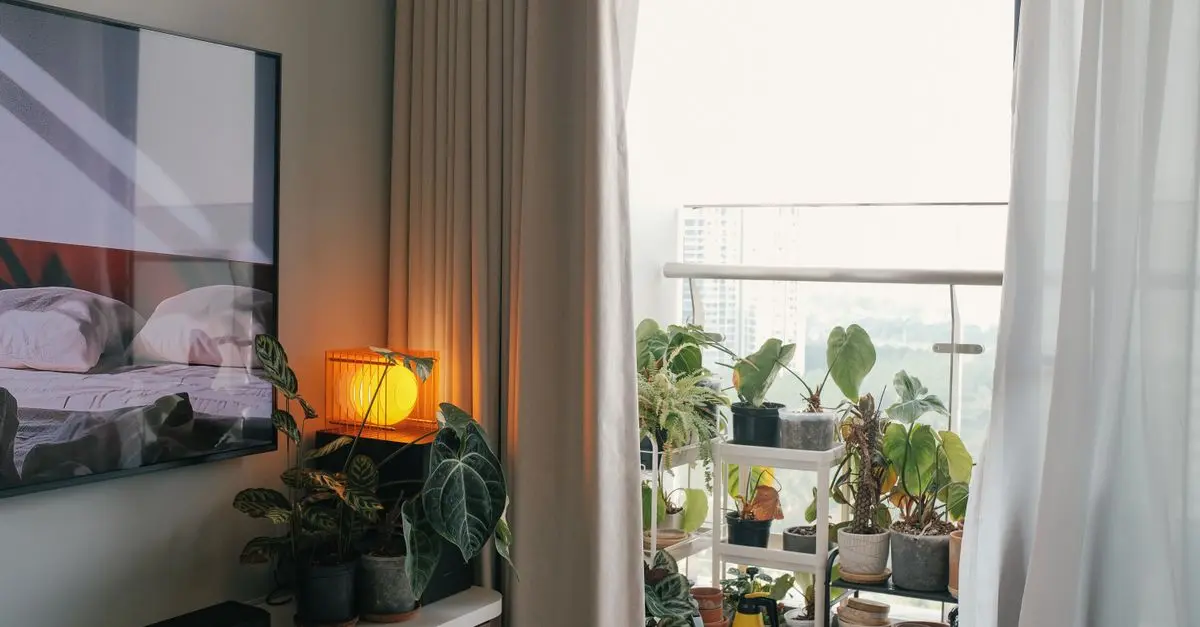
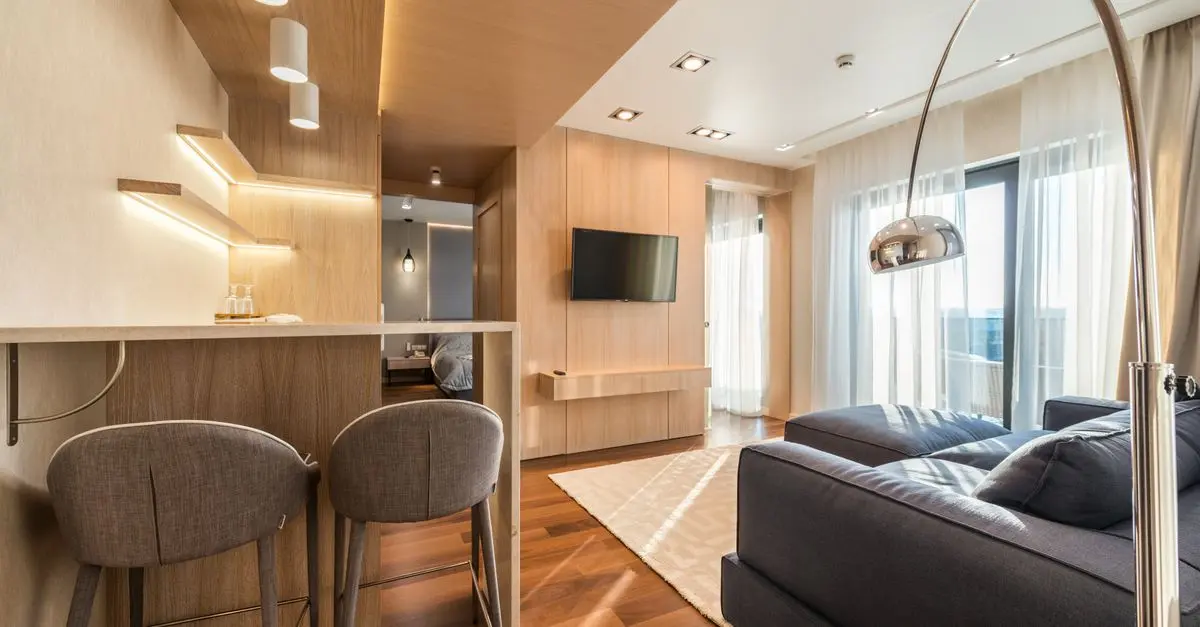
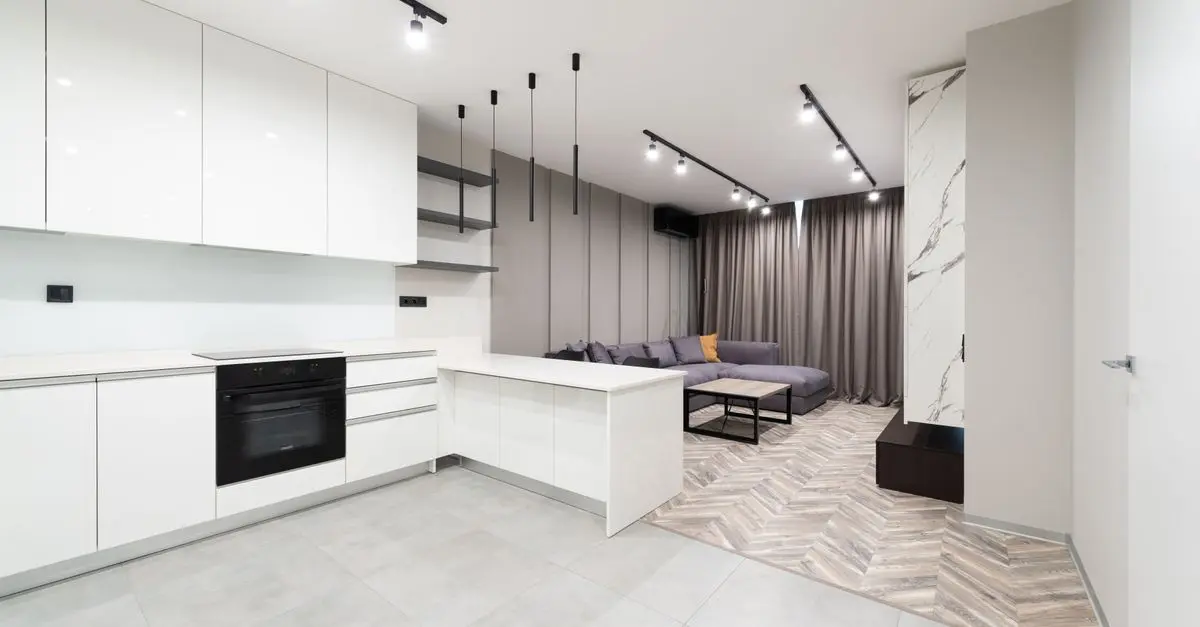
Layered lighting is an essential element in interior design that significantly enhances the aesthetics, functionality, and overall atmosphere of a space. Rather than relying solely on a single light source, layered lighting incorporates ambient, task, and accent lighting to create a comprehensive lighting scheme. Such a method not only brightens a room effectively but also adds depth and character to a space.
A well-designed layered lighting scheme allows for flexibility in brightness levels and can transform the mood of a room. For instance, ambient lighting provides an overall illumination, task lighting focuses on specific areas where detailed work is done, and accent lighting highlights architectural features or artwork. According to the Illuminating Engineering Society, effective use of layered lighting can increase a room's functionality by up to 70%, allowing homeowners to utilise their spaces more efficiently.
Furthermore, layered lighting contributes significantly to energy savings. By using various light sources, individuals can adjust their lighting needs according to the time of day or particular activities, which ultimately reduces energy consumption. Energy Star reports that the right lighting can reduce energy bills by 30% in residential settings, making layered lighting not only a stylistic choice but also an economic one.
How to Implement Layered Lighting: A Step-by-Step Guide
To implement layered lighting in your home, follow this simple guide:
Step 1: Assess Your Needs
First, evaluate the specific needs of each room. Question how the room will be used. Is it a space for relaxation, work, or entertaining? Different activities require different types and intensities of light.
Step 2: Identify Your Light Sources
Use a combination of three layers of light:
- Ambient lighting: Lighting that fills the room with general illumination, such as ceiling fixtures or chandeliers.
- Task lighting: Direct lighting aimed at specific tasks like reading or cooking, often realised with desk lamps or under-cabinet lights.
- Accent lighting: These are focused lights that highlight art, architecture, or important features within a room, such as wall sconces or track lighting.
Step 3: Create a Balanced Scheme
Ensure all light sources are complementary. It’s vital to balance the different types of lighting. For example, a room that is brightly lit with ambient lights might need dimmable task and accent lights to create a more inviting atmosphere.
Step 4: Use Dimmers and Controls
Utilise dimmers and smart lighting systems where possible. Dimmers allow for greater flexibility and can significantly alter the vibe of a space, adapting it to various situations and needs.
By following these steps, you can significantly improve your home lighting. It may also be beneficial to consult a professional lighting designer for personalised recommendations based on your space.
Comparative Analysis of Layered Lighting Techniques
| Lighting Type | Description | Best Uses | Pros/Cons |
|---|---|---|---|
| Ambient Lighting | General light that fills the entire space | Living rooms, bedrooms | Pros: Versatile; Cons: Can be harsh if overused. |
| Task Lighting | Targeted light for specific activities | Office, kitchen | Pros: Increases functionality; Cons: Limited illumination. |
| Accent Lighting | Focused lighting to highlight features | Artwork, architectural details | Pros: Adds depth and character; Cons: Can cause shadows. |
The Impact of Layered Lighting on Well-Being
The effects of layered lighting extend beyond mere aesthetics. Multiple studies have shown that lighting can influence mood, productivity, and even wellbeing. A study published by Journal of Environmental Psychology indicated that individuals exposed to varied light intensities and colours demonstrated improved concentration and overall happiness in their environments.
Natural light plays a crucial role, and having a well-planned layered lighting scheme that mimics daylight cycles can enhance vital aspects of life. Adjustable brightness to suit your activities can help align with your body's natural rhythms. This careful modulation of light can foster a healthier living space, improving quality of life.
📺 Resource Video
> 📺 For further insights: Explore layered lighting tips and tricks in this informative video. Search on YouTube: "layered lighting interior design tips 2026".
Expert Opinion
> 💡 Expert Insight: "Layered lighting is not just about illumination; it's about creating an environment that enhances your life. The right balance can make a big difference in both your mood and functionality of your space," says interior designer Sarah Jane. This assertion underscores the critical role that lighting plays in modern interior design.
Glossary
| Term | Definition |
|---|---|
| Ambient Lighting | The overarching illumination in a given space. |
| Task Lighting | Focused light designed for specific tasks or activities. |
| Accent Lighting | Light directed to highlight particular features or objects. |
Checklist Before Updating Your Lighting
- [ ] Assess each room’s lighting needs
- [ ] Choose appropriate ambient, task, and accent sources
- [ ] Consider adjustable dimmers and controls
- [ ] Create a harmony between layers of light
- [ ] Consult a professional if necessary.
📺 Pour aller plus loin : layered lighting interior design tips 2026 sur YouTube