Contents (7 sections)
Lighting is a pivotal element in interior design, often overlooked but crucial for establishing the atmosphere of a space. It can completely transform an environment, influencing the mood, functionality, and overall aesthetics. The importance of lighting in interior design cannot be overstated; it plays a role in enhancing the beauty of furnishings and artworks, guiding movement through a space, and even affecting our emotional responses. According to a 2025 study by UFC-Que Choisir, well-planned lighting can improve productivity by up to 20% in workspace settings. This underscores the need to incorporate strategic lighting solutions into every design plan.
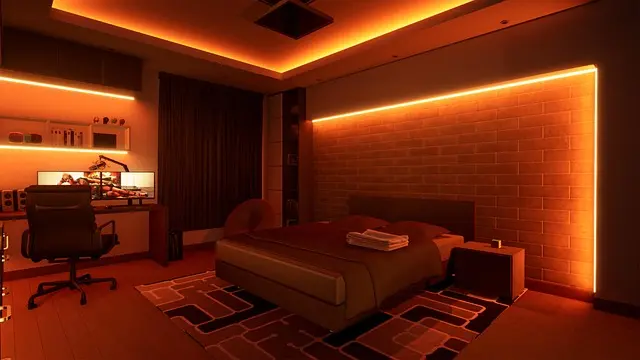
Effective lighting consists of three main types: ambient, task, and accent. Ambient lighting provides a uniform level of illumination throughout a space, creating a base layer upon which other light types can build. Task lighting focuses on illuminating specific areas where activities such as reading or cooking occur, ensuring safety and efficiency. Lastly, accent lighting is utilised to highlight particular features or artworks, adding depth and intrigue to the overall design. When these lighting types are combined thoughtfully, they contribute to a well-rounded and effective interior design vision.
Methods for Effective Lighting Design
Designing an effective lighting scheme involves several steps. Step 1: Assess the space. Consider the room's function and what types of activities will take place there. For instance, a kitchen may require brighter task lighting, while a living room could benefit from softer ambient lighting for relaxation.
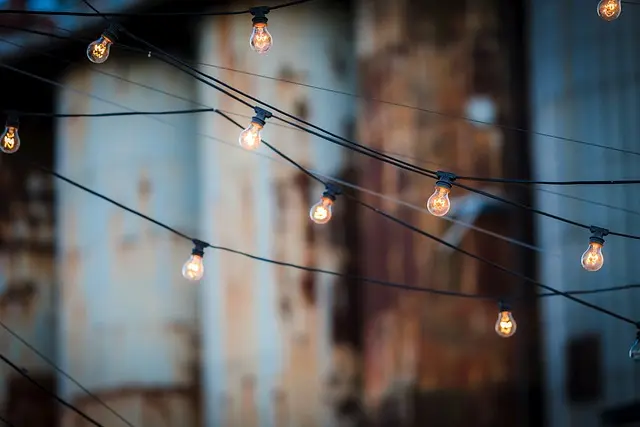
Step 2: Determine the light sources. Utilize a mix of natural light during the day and artificial light at night. Large windows can maximise daylight, while strategically placed ceiling fixtures, wall sconces, and floor lamps can enhance evening ambiance.
Step 3: Layer your lighting. Combine ambient, task, and accent lighting to create a versatile environment. For example, in a reading nook, use a floor lamp for task lighting alongside a softer overhead fixture for overall illumination.
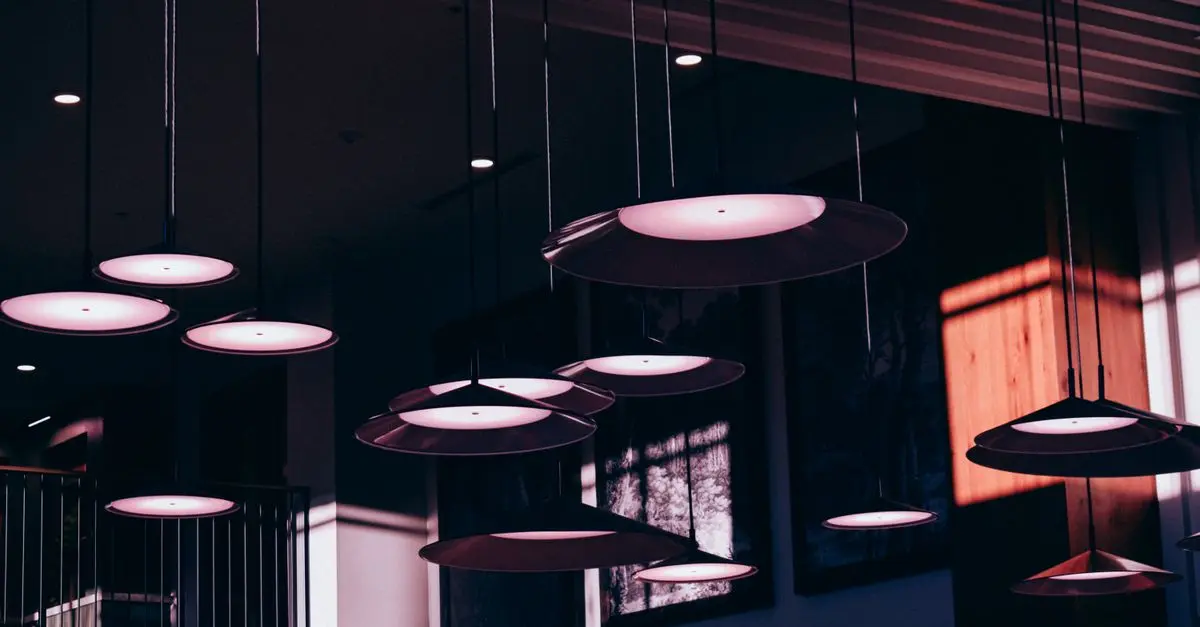
Step 4: Consider the fixtures’ style. The design of light fixtures should complement the room's aesthetics, whether modern, vintage, or minimalist. Stylish options can enhance the design theme while serving a functional purpose.
Step 5: Test the layout. Adjust the placement of fixtures and test different light bulbs to find the right hue and intensity. This flexibility will help you achieve a harmonious balance in the space.
Comparison of Different Lighting Types
| Lighting Type | Description | Best Uses | Pros | Cons |
|---|---|---|---|---|
| Ambient | General lighting that fills a space evenly. | Living rooms, bedrooms | Creates a warm atmosphere | Might not provide adequate task illumination |
| Task | Focused lighting for specific tasks. | Kitchens, home offices, workshops | Enhances functionality | Can create shadows if improperly placed |
| Accent | Highlights artwork or architectural features. | Galleries, feature walls | Adds visual interest | Requires careful placement for effect |
| Natural | Utilises daylight through windows and skylights. | All areas of the home | Energy-efficient, mood-enhancing | Can vary with weather conditions |

NEC MultiSync EA271U computer monitor 68.6 cm (27") 3840 x 2160 pixels 4K Ultra HD LED Black
Back to the Office

NEC MultiSync EA271U computer monitor 68.6 cm (27") 3840 x 2160 pixels 4K Ultra HD LED White
Back to the Office

Data-Driven Insights into Lighting Impact
Statistics underscore the importance of effective lighting. According to the INSEE, 70% of home buyers ranked good lighting as a key factor in their purchasing decision. Furthermore, in commercial settings, the American Society of Interior Designers notes that proper lighting can enhance employee satisfaction and performance by up to 25%. These figures highlight the tangible benefits of making thoughtful lighting choices in design.
Expert Opinion on Lighting Trends
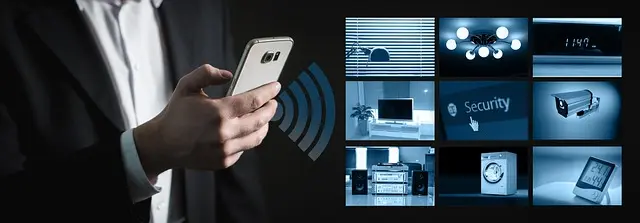
> 💡 Expert Review: Lighting trends in 2026 are heavily influenced by sustainability and energy efficiency. Incorporating LED technology not only conserves energy but also offers a variety of colour temperatures that can affect the atmosphere of a space dynamically. Moreover, smart lighting systems allow users to easily adjust brightness and colour, enhancing comfort and convenience. Clients should consider these modern solutions to future-proof their interiors.
💡 FAQ
Q: How can lighting affect my mood?
A: Various studies indicate that lighting can significantly impact mood. For instance, softer lighting has been associated with relaxation, while bright lighting can enhance focus and energy levels.
Q: What are the best lights for small spaces?
A: In small spaces, lighting should aim to create an airy atmosphere. Opt for fixtures that can provide adequate ambient light without overwhelming the space, such as recessed lighting or wall sconces.
Q: How often should I change light bulbs?
A: It is advisable to replace incandescent bulbs every 1,000 hours and LED bulbs approximately every 15,000 hours to maintain optimal lighting.
Q: Can I mix different types of lighting?
A: Absolutely! Mixing ambient, task, and accent lighting is encouraged to create depth and versatility in your spaces.
📺 Resource Video
> 📺 For further exploration: *


Recommended products
Selected by our experts
NEC MultiSync EA271U computer monitor 68.6 cm (27") 3840 x 2160 pixels 4K Ultra HD LED Black
Back to the Office
NEC MultiSync EA271U computer monitor 68.6 cm (27") 3840 x 2160 pixels 4K Ultra HD LED White
Back to the Office