Contents (12 sections)
Introduction
LED strip lights, once a decor novelty, have become a staple in modern home design. These versatile lights offer endless possibilities for creativity and functionality, enhancing aesthetics while providing efficient lighting solutions.
1. Planning Your LED Strip Light Design
The foundation of any successful LED strip light design project is comprehensive planning. Start by identifying the areas you want to illuminate and consider your goals—whether you're aiming to enhance ambience, highlight architectural features, or improve task lighting. According to industry reports, over 60% of DIY lighting projects are more successful with thorough initial planning. Consider the colour temperatures of your lights—warm tones can add cosiness to living rooms, while cooler tones might be more suitable for areas requiring focus, like home offices. Always plan your circuits carefully to avoid overloading. Use a simple sketch of your space to visualise the placement and spread of your LED strips.
2. Selecting the Right LED Strip Lights
Once your plan is in place, the next step involves selecting the appropriate LED strip lights. There are various specifications to consider: brightness levels, colour ranges, water resistance (IP ratings), and the type of adhesive backing for adhesion to different surfaces. High-density strips (such as those with 60 LEDs per metre) are excellent for task lighting, while flexible RGB strips can add a splash of fun to entertainment areas. According to 60 Millions de Consommateurs, investing in quality LED strips with good CRI ratings enhances colour rendering and overall enjoyment.
3. Installation Techniques for Maximum Impact
With your materials sourced, it's time for installation. Start by ensuring surfaces are clean and smooth. Use dedicated connectors for corners to maintain a seamless appearance. For long strips, calculate the power requirements to ensure your power supply is adequate. A common mistake is to underestimate the required power or overextend strips, leading to voltage drop and uneven lighting. Professional installations often use aluminium profiles for heat dissipation and preferred aesthetic. Make sure your LED setup passes current safety standards, consulting the IEC guidelines if necessary.
4. Creative Placement Ideas
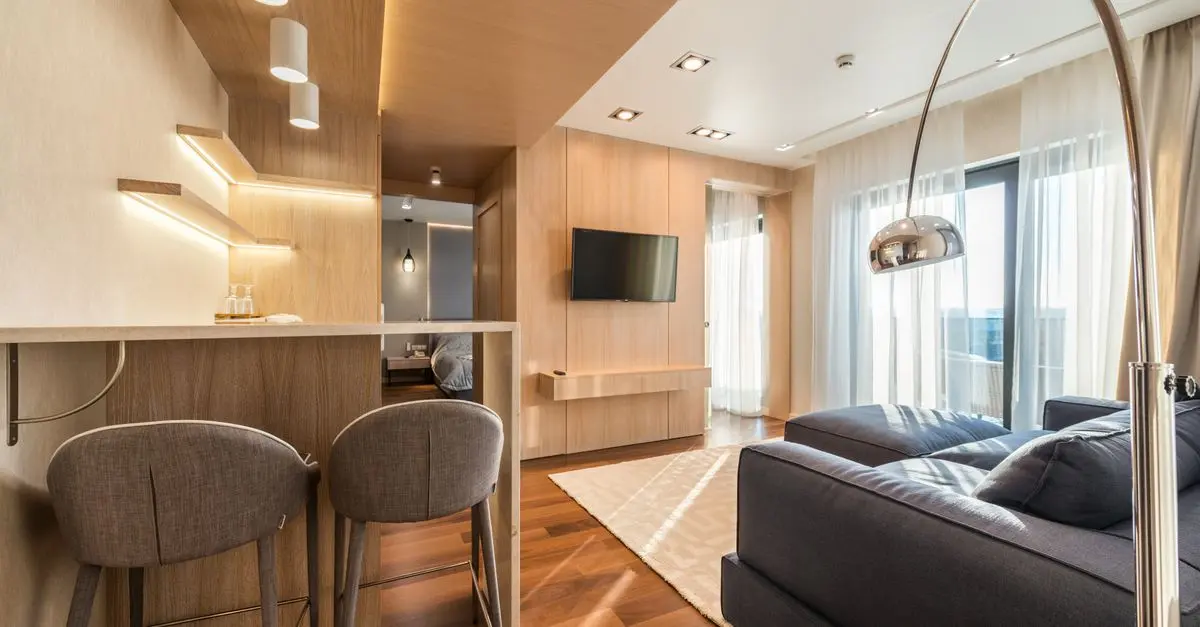
Now, unleash your creativity. Consider under-cabinet lighting in kitchens to combine style and practicality. Integrating LED strips in ceiling coves or along floor edges can create a floating effect, as per the trend noted in architectural lighting journals. For added drama, illuminate artwork or frames—soft light not only highlights but adds depth and dimension to your pieces. Installing smart controls can make adjusting your lighting effortless, letting you adapt spaces quickly for different functions.
5. Maintenance and Troubleshooting
Maintenance is crucial to ensuring the longevity and reliability of your LED strip lights. Regularly check connections and clean the strips gently to prevent dust accumulation. If lights flicker or fail, use a multimeter to test connections. Always ensure replacements match original specifications to maintain performance integrity.
📺 Ressource Vidéo
> 📺 Pour aller plus loin : [How to install LED strip lighting], a comprehensive guide on best practices for setting up LED strip lights at home. Recherchez sur YouTube : “LED strip lighting installation guide”.
Comparison Table for LED Strip Light Options
| Feature | Option A (Standard) | Option B (RGB Colour) | Option C (Smart LED) | Verdict |
|---|---|---|---|---|
| Brightness | Medium | Variable | Adjustable | Customisable setup suits most needs |
| Colour Variety | Single | Multi-colour | Dynamic | RGB and Smart offer creative flexibility |
| Installation Ease | Easy | Moderate | Challenging | Depends on project scope and complexity |
| Cost | Low | Medium | High | Efficiency versus budget consideration |
Glossary
| Terme | Définition |
|---|---|
| CRI (Colour Rendering Index) | Measures a light source's ability to reveal the colours of objects |
| IP Rating | Classifies and rates the degree of protection against dust and water |
| Lumen | Unit of luminous flux, a measure of the total quantity of visible light emitted |
Checklist Before Starting Your LED Design Project
- [ ] Define the design purpose and areas to illuminate
- [ ] Select the appropriate LED strip type and features
- [ ] Calculate power supply needs and prepare surfaces
- [ ] Plan the layout and install controls
- [ ] Verify adherence to safety standards and testing
🧠 Quiz rapide : How many LEDs per metre is typically ideal for task lighting?
- A) 30
- B) 60
- C) 120
Réponse : B — Provides adequate brightness for detailed tasks.
Conclusion
Using LED strip lights in home design opens up exciting possibilities to enhance your living environment creatively. Whether you're highlighting features or improving ambience, these lights offer flexibility and efficiency, inviting you to explore countless design innovations.