Contents (12 sections)
Maintaining a home that feels welcoming and energised often involves harnessing natural light in your home. Natural light not only brightens your space but also contributes significantly to your well-being and can lead to reduced energy costs. This guide will walk you through practical steps to optimise the natural light within your living spaces, enhancing comfort and energy efficiency.
Understanding Natural Light
Natural light refers to sunlight that enters your home, providing a source of illumination that is more energy-efficient than artificial light. This type of lighting contributes positively to your mood, increases productivity, and can even enhance the aesthetic appeal of your interiors. Dedicating time to improve the lighting in your home can drastically change how you perceive your living environment. For homeowners, ensuring adequate natural light also has economic benefits. According to studies, homes with high levels of natural light have shown to sell at a higher market value. Thus, understanding and tapping into natural light in your home is not merely a decorative choice—it's a savvy investment.
Step 1: Assess Your Current Light Sources
Before making changes, take a good look at your current situation. Walk through your home during the day and note how natural light enters each room. Which areas are well-lit, and which feel dark and dreary? Pay attention to the direction your windows face. South-facing windows typically receive the most light during the day, whereas north-facing windows might allow less light in. Make detailed observations by noting the time of day; this will help identify how the sun's movement affects light levels throughout your space. Using this assessment, you can prioritise areas needing improvement, which will form the basis for implementing changes.
Step 2: Choose Correct Window Treatments
Window treatments play a crucial role in controlling the natural light in your home. While curtains and blinds can block light, selecting the right style and material can amplify it. For instance, consider sheer fabrics that allow light to filter through while still providing some privacy. Roller blinds coupled with reflective materials can also help bounce light back into the room. Avoid heavy draperies that absorb light; instead, opt for light-coloured or reflective treatments that enhance brightness. Tip: Install treatments that can be easily adjusted, so you can control light levels as needed throughout the day.
Step 3: Use Mirrors Strategically
Mirrors are excellent tools for enhancing natural light. They work by reflecting sunlight into spaces, making them feel larger and brighter. Place mirrors opposite windows to maximise the light entering the room. Additionally, using mirrored furniture can contribute to this effect, as can placing smaller mirrors in dark corners. Expert opinion: “During our interior design projects, we have consistently found that strategic use of mirrors can increase perceived space and light by up to 30%, making them a favourite in light-deprived areas.”
Step 4: Paint and Decorate Wisely
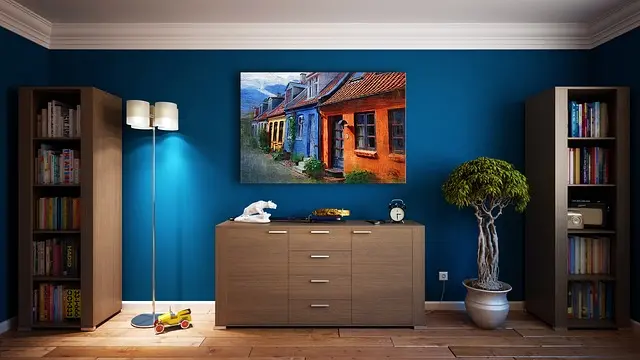
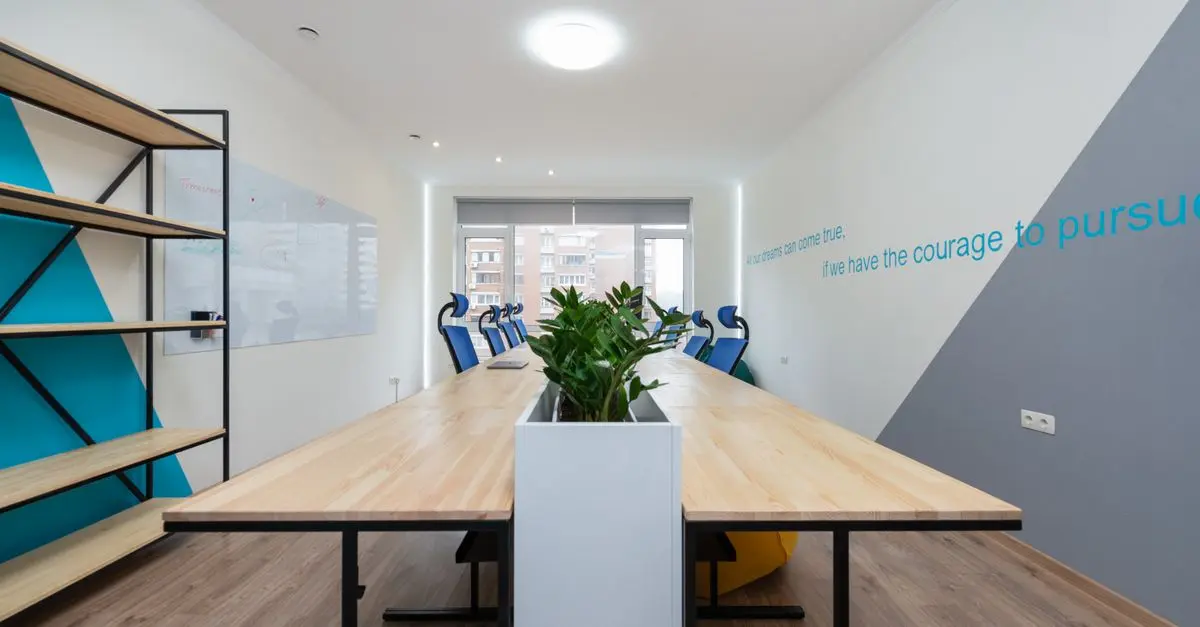
The colours and finishes in your home can significantly influence how light interacts with your space. Lighter colours, particularly whites and pastels, reflect more light than darker colours. If you're considering repainting, opt for light, warm tones for walls, and use glossy finishes to add shine. Furthermore, decluttering rooms will reduce visual barriers, allowing light to spread more freely. Furniture choices also matter—select pieces that are light-coloured or transparent, which won't block light and airiness in the space.
Step 5: Consider Architectural Adjustments
If you're willing to undertake a bit of renovation, there are structural changes that can significantly increase your home's access to natural light. Installing skylights is one effective way to achieve this, particularly in darker areas of the home such as hallways or bathrooms. Another option is to remove interior walls or add glass partitions, which can create a more open-plan feel while letting light flow through. Always consult with a professional architect or designer to ensure these changes align with your overall home goals.
Step 6: Incorporate Outdoor Spaces
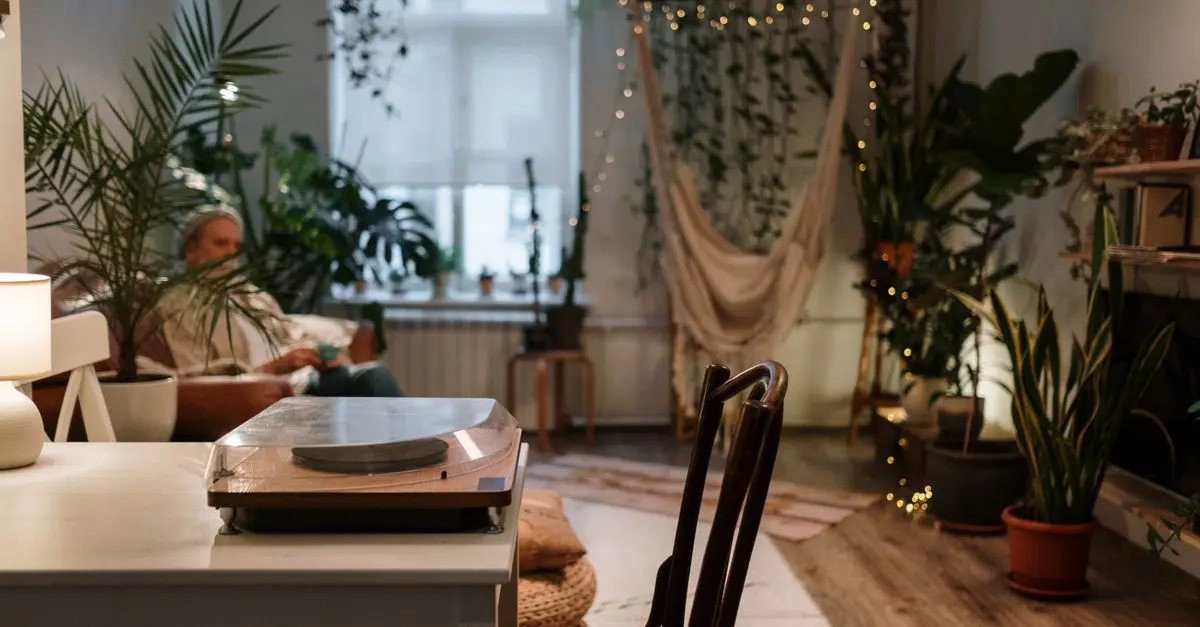
Bringing natural light into your home doesn't only rely on interiors. Outdoor spaces, such as gardens and balconies, can be strategically used to enhance your interior lighting. Placing outdoor seating or installing glass doors leading to patios can create an open, breezy feel that maximises incoming light. Consider landscaping that allows sunlight to touch your home without obstructions. Using plants in strategic locations can enhance the transition between outdoor and indoor light, promoting a sense of unity with nature.
Step 7: Maintenance and Seasonal Adjustments
Once you've optimised your home's exposure to natural light, remember that maintenance is key. Keep windows clean, as dirt and grime can block the sun's rays, significantly reducing light quality. Additionally, change your window treatments with the seasons. In summer, you might prefer lighter, more open treatments while swapping to more insulating options in winter. Making these minor adjustments can ensure your home feels bright and welcoming all year long.
Checklist for Maximising Natural Light
- [ ] Assess your current light sources.
- [ ] Select appropriate window treatments.
- [ ] Implement mirrors strategically.
- [ ] Choose light paint colours and finishes.
- [ ] Consider architectural changes for more light.
- [ ] Utilise outdoor spaces effectively.
- [ ] Maintain and adjust your strategies seasonally.
📺 Resource Vidéo
> 📺 For more insights: Explore how to properly assess and enhance lighting in your home, focus on natural light in your home. Search YouTube: how to maximise natural light in your home 2026.
Glossaire
| Terme | Définition |
|---|---|
| Natural Light | Light that comes from the sun, as opposed to artificial lighting sources like bulbs. |
| Window Treatments | Items designed to cover windows, such as drapes or blinds, which control light intake and privacy. |
| Skylights | Windows installed in the roof or ceiling that allow natural light to enter a building. |
> 🧠 Quiz rapide : What is the best colour for maximising natural light?
> - A) Dark Blue
> - B) White
> - C) Grey
> Réponse : B — Light colours reflect more light than darker shades, enhancing brightness in spaces.
📺 Pour aller plus loin : how to maximise natural light in your home 2026 sur YouTube