Contents (14 sections)
Introduction to Japanese Style Lighting
Japanese style lighting is renowned for its ability to seamlessly blend aesthetics and functionality. Originating from a culture that values simplicity and natural beauty, these lighting solutions are not merely sources of light but are artistic elements that contribute to the ambience of a space. The use of materials like washi paper, bamboo, and wood in these fixtures enhances their organic appeal, making them a popular choice in both traditional and contemporary settings worldwide.
History and Cultural Significance
The roots of Japanese style lighting can be traced back to ancient Japan, where light was considered an element that had to be harmoniously integrated into the surroundings. Shoji lanterns are a classic example, traditionally used in tea houses and temples. These lanterns are crafted from a wooden frame covered in translucent paper, allowing for a soft, diffused light that mimics nature’s own illumination. Over time, these have evolved into the modern Andon and Akari lamps, which maintain their cultural integrity while incorporating modern design details.
Key Characteristics of Japanese Style Lighting
Japanese lighting is defined by its minimalistic form and the careful choice of materials. The emphasis is on creating a serene environment that promotes peace and contemplation. Warm tones, natural materials, and simple yet elegant designs are hallmarks of this style. The integration of wasabi paper or bamboo helps distribute a warm and soothing light, promoting a tranquil atmosphere in any interior.
How to Incorporate Japanese Lighting in Your Home
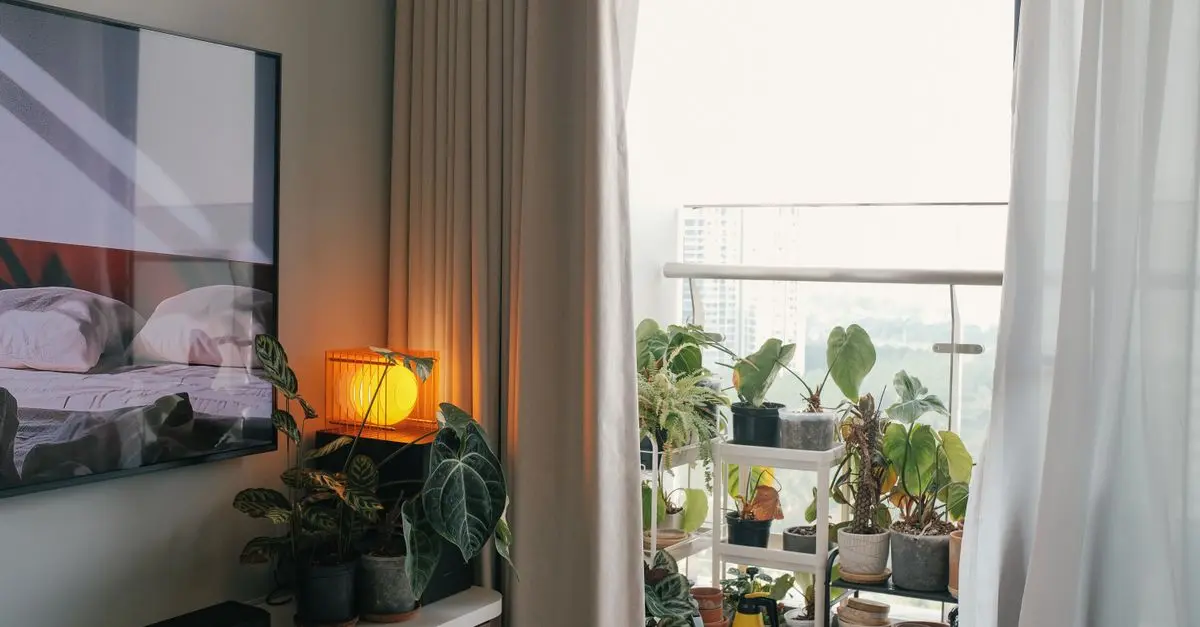
Incorporating Japanese style lighting into your home can drastically change the aesthetic feel of your space. Start by identifying areas that require soft lighting such as reading nooks or living rooms. Opt for lamps that have a minimalist design and are made from natural materials. Placing these lamps strategically can create focal points and highlight the beauty of simplicity, enhancing the overall aesthetic of your home.
Comparing Japanese Style Lighting to Western Styles
Here's a comparative look at Japanese style lighting versus common Western styles:
| Aspect | Japanese Style | Western Style A | Western Style B | Verdict |
|---|---|---|---|---|
| Materials | Natural (wood, paper) | Metal, glass | Plastic, metal | Japanese for natural feel |
| Aesthetics | Minimalistic elegance | Ornate details | Modern sleekness | Japanese for simplicity |
| Light Quality | Soft, warm | Bright, direct | Variable | Depends on preference |
| Popularity | Increasing global | Long-standing | Trend-driven | Context-dependent |
According to INSEE, the interest in Japanese-inspired home décor has increased by 15% annually since 2022, demonstrating a growing trend towards minimalist and sustainable living. This shift aligns with wider global trends towards green architecture and eco-friendly design. Additionally, feedback from UFC-Que Choisir suggests that consumers appreciate the calming influence of integrating such elements into their homes.
📺 Ressource Vidéo
📺 Pour aller plus loin : Exploring Japanese Lighting Aesthetics, a comprehensive exploration of Japanese lighting styles and their integration into modern homes. Recherchez sur YouTube : "Japanese lighting design inspiration".
What are traditional Japanese lighting materials?
Traditional materials include washi paper, bamboo, and wood, valued for their natural properties and aesthetics.
How can Japanese lighting affect room ambience?
Japanese lighting promotes a tranquil and serene environment with its warm, diffused light, enhancing relaxation.
Are Japanese lights energy-efficient?
Many modern Japanese style lightings incorporate LED technology, offering energy efficiency while maintaining style.
Where can I buy authentic Japanese lighting?
Look for reputable retailers that specialise in oriental home décor or custom lighting solutions for authenticity.
Glossaire
| Terme | Définition |
|---|---|
| Washi paper | Traditional Japanese paper made from local fibres. |
| Shoji lamps | Traditional Japanese screens or lamps with wooden frames and paper lining. |
| Andon lamps | Portable Japanese lamps usually made from paper and wood. |
- [ ] Consider the room's existing decor and lighting needs.
- [ ] Decide on the material that complements your space.
- [ ] Assess the lamp's energy efficiency rating.
- [ ] Ensure the design aligns with minimalist aesthetics.
- [ ] Check for warranty and after-sales support.
💡 Avis d'expert : "Incorporating Japanese style lighting can transform spaces into tranquil sanctuaries. Its emphasis on nature and simplicity provides a unique aesthetic that is both soothing and timeless."